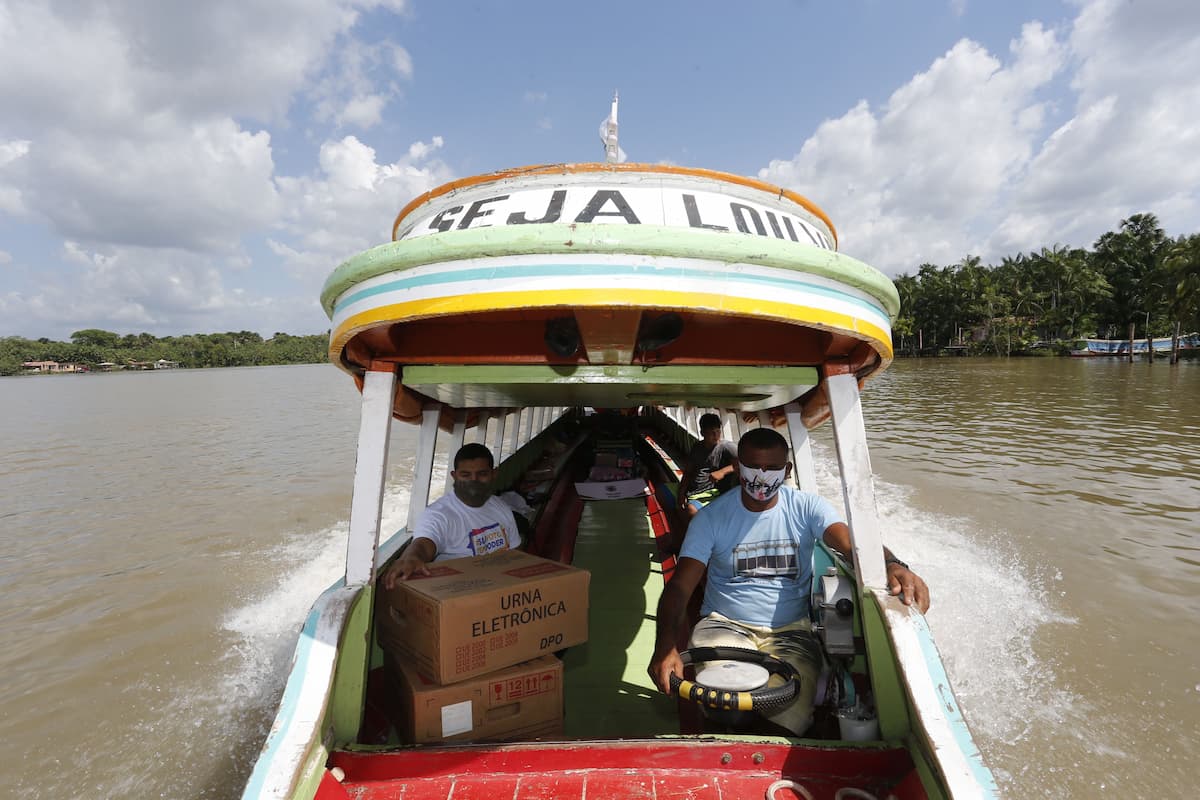
On the 25th, Flávio Dino, a justice of the Supreme Federal Court (STF), ordered the Federal Government and the states of the Legal Amazon and the Pantanal to submit, within up to ten working days, their respective contingency plans to address the possible impacts of a Super El Niño.
The decision was made within the scope of Arguição de Descumprimento de Preceito Fundamental - (ADPF) 743 [Allegation of Disobedience of a Fundamental Precept], a legal action concerning policies to combat forest fires. The occurrence of a very strong El Niño in 2026 and 2027 would lead to severe and prolonged drought in the Amazon and the Pantanal, which, in turn, would exponentially increase the risk of forest fires. The justice’s decision aims to encourage the Executive to prepare to face a likely crisis caused by the climate phenomenon, rather than merely reacting to it after it occurs.
The inclusion of the El Niño issue in the justice’s decision is based on projections released by the National Oceanic and Atmospheric Administration (NOAA), a United States government agency responsible for forecasting oceanic and atmospheric conditions. According to a NOAA report, there is an 82% chance that El Niño will occur by July of this year, with a 50% probability of what has been called a Super El Niño, that is, an event of strong or very strong intensity – and with severe impacts.
PERIODIC PHENOMENON
El Niño is a natural climate phenomenon that occurs periodically, warming the waters of the equatorial Pacific Ocean and causing changes in rainfall, temperature, and wind patterns across the planet. Its occurrence alternates with periods of neutrality and periods of its opposite phenomenon, La Niña, which is characterized by the cooling of the equatorial Pacific waters.
In Brazil, the impacts of El Niño are usually felt mainly in two regions: in the South, where rainfall intensifies and causes floods, and in the Amazon, where it produces severe drought. Recently, the country experienced crises in both regions due to El Niño during 2023 and 2024: intense drought in the Amazon and flooding in Rio Grande do Sul.
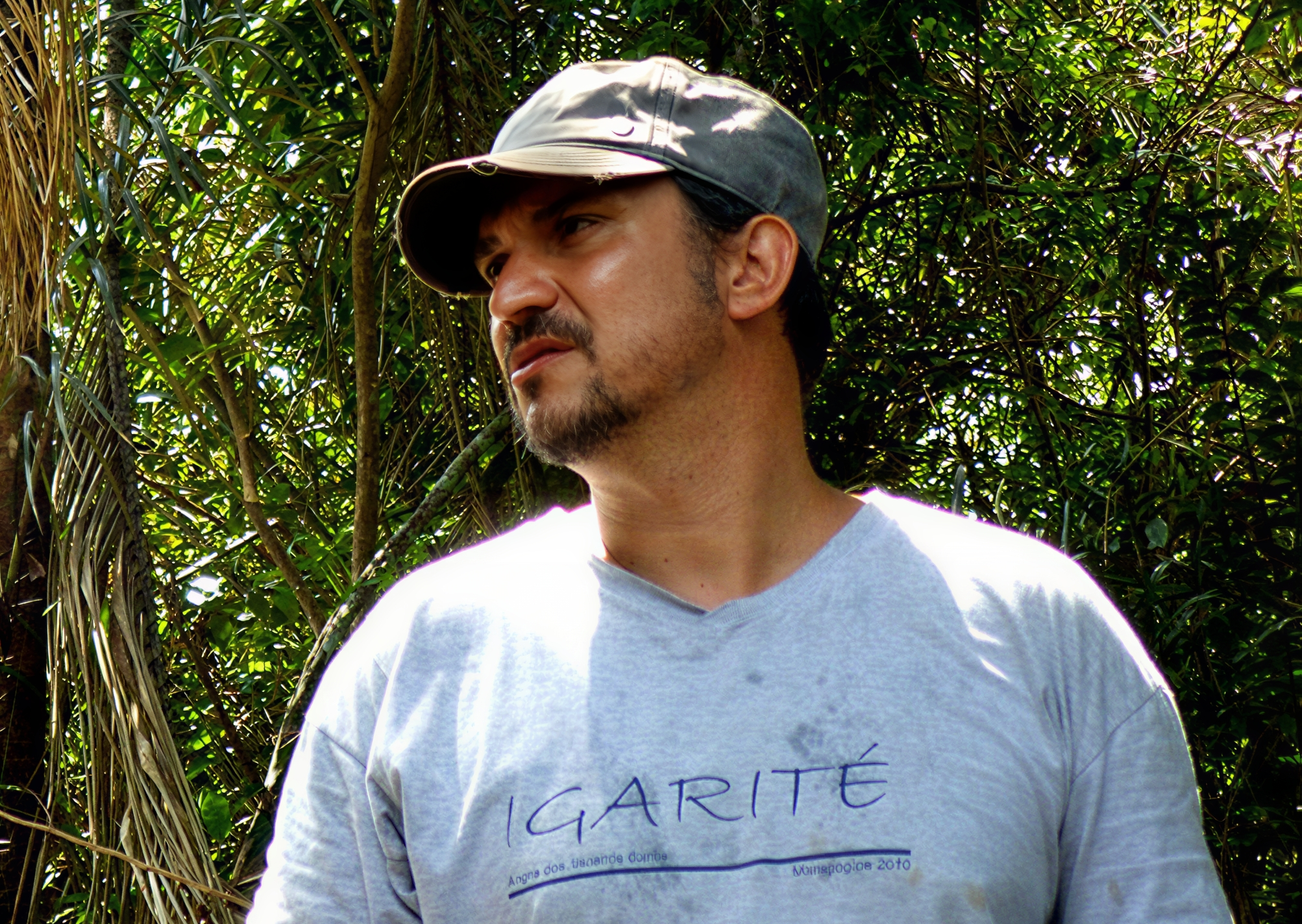
“El Niño is an abnormal warming of the Pacific waters that alters rainfall patterns around the world. It is an event with a global scale. In the Amazon, historically, it has been mainly associated with severe drought, rising temperatures, and impacts on rivers, forests, and also on the population,” explains biologist and professor at the Federal University of Pará (UFPA), Vando Gomes. “Projections show that, in 2026, a Super El Niño may occur, which is expected to have social and environmental impacts on the region, with extreme droughts,” the professor adds.
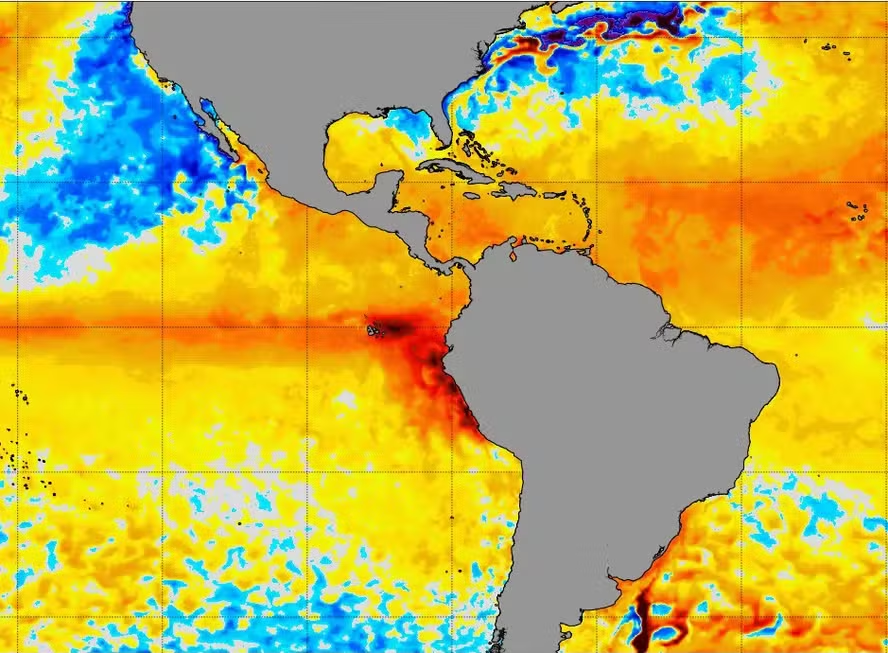
Global warming makes El Niño stronger and more frequent
But what exactly is a Super El Niño? According to Ane Alencar, Science Director at the Instituto de Pesquisa Ambiental da Amazônia - (IPAM) [Amazon Environmental Research Institute], it corresponds to a stronger version of El Niño. “It is a much more intense version, classified as such when the temperature of the equatorial Pacific waters exceeds the historical average by 2°C. We have had remarkable recent Super El Niño events, such as those in 1997 and 1998, 2015 and 2016, and 2023 and 2024. In 2026, we will probably experience another Super El Niño, during these consecutive years in which the planet has been breaking temperature records,” says the geographer.
And it is precisely global warming that is making El Niño increasingly stronger and more frequent. “We have seen temperatures rising year after year, both on the continents and in the oceans. If we look at a temperature time series, each year is hotter than the previous one. This became very evident in 2023 and 2024, when we experienced the overheating of the Pacific, with temperature records since measurements began. The trend is for both the continents and the oceans to become increasingly warmer, increasing the frequency of El Niño events, which may occur more often in shorter periods of time,” explains Luiz Eduardo Aragão, researcher at the Instituto Nacional de Pesquisas Espaciais - (INPE) [National Institute for Space Research].
Wildfires, food insecurity, and animal deaths
More frequent El Niño events may cause greater impacts. “Even if we have a moderate or weak El Niño in 2026, we are coming from a strong El Niño in 2024. It may not yet have been possible to recover from the level of water stress experienced. Therefore, the next El Niño will generate many impacts because it is occurring so soon after the previous one,” emphasizes Ane Alencar.
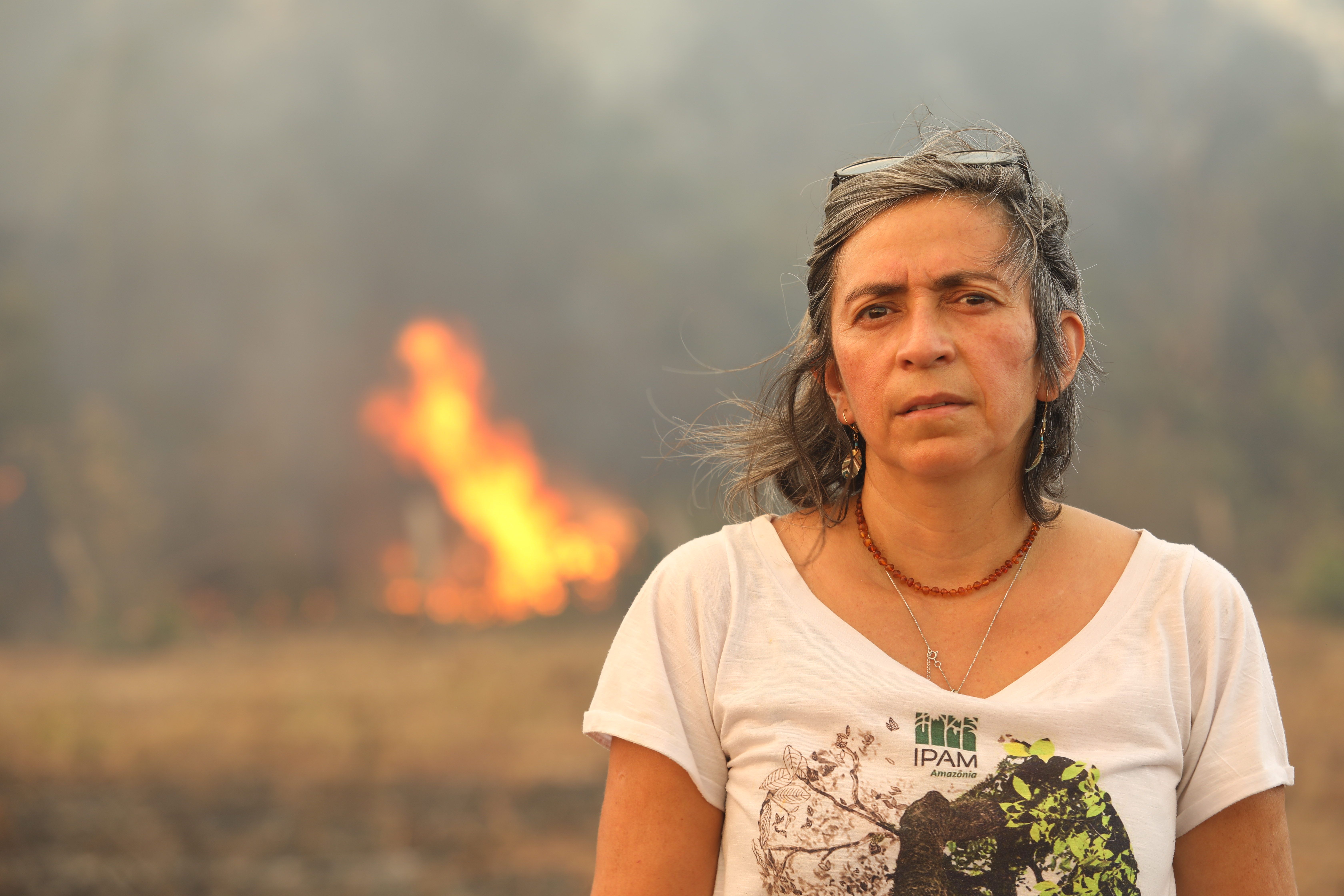
Luiz Aragão points out that the extreme drought in the Amazon expected to result from a Super El Niño may bring several negative consequences to the region. “El Niño will occur during the driest season in the Amazon, when rainfall volumes are lower. And the trend is toward extreme droughts, reducing rainfall in several states. This leads to the drying of vegetation and tree mortality, which increases fuel loads and makes forests more vulnerable to fires, which are generally caused by human activity. This generates more greenhouse gas emissions, which intensify climate change,” explains the specialist in forest degradation.
Another problem is the impact on human health. “Fires generate an enormous amount of particulate matter [a toxic mixture of ash, soot, and chemical compounds in the air], which causes respiratory problems and overwhelms the healthcare systems in the affected regions. In addition, reduced access to drinking water may lead to several diseases related to water quality,” he explains.
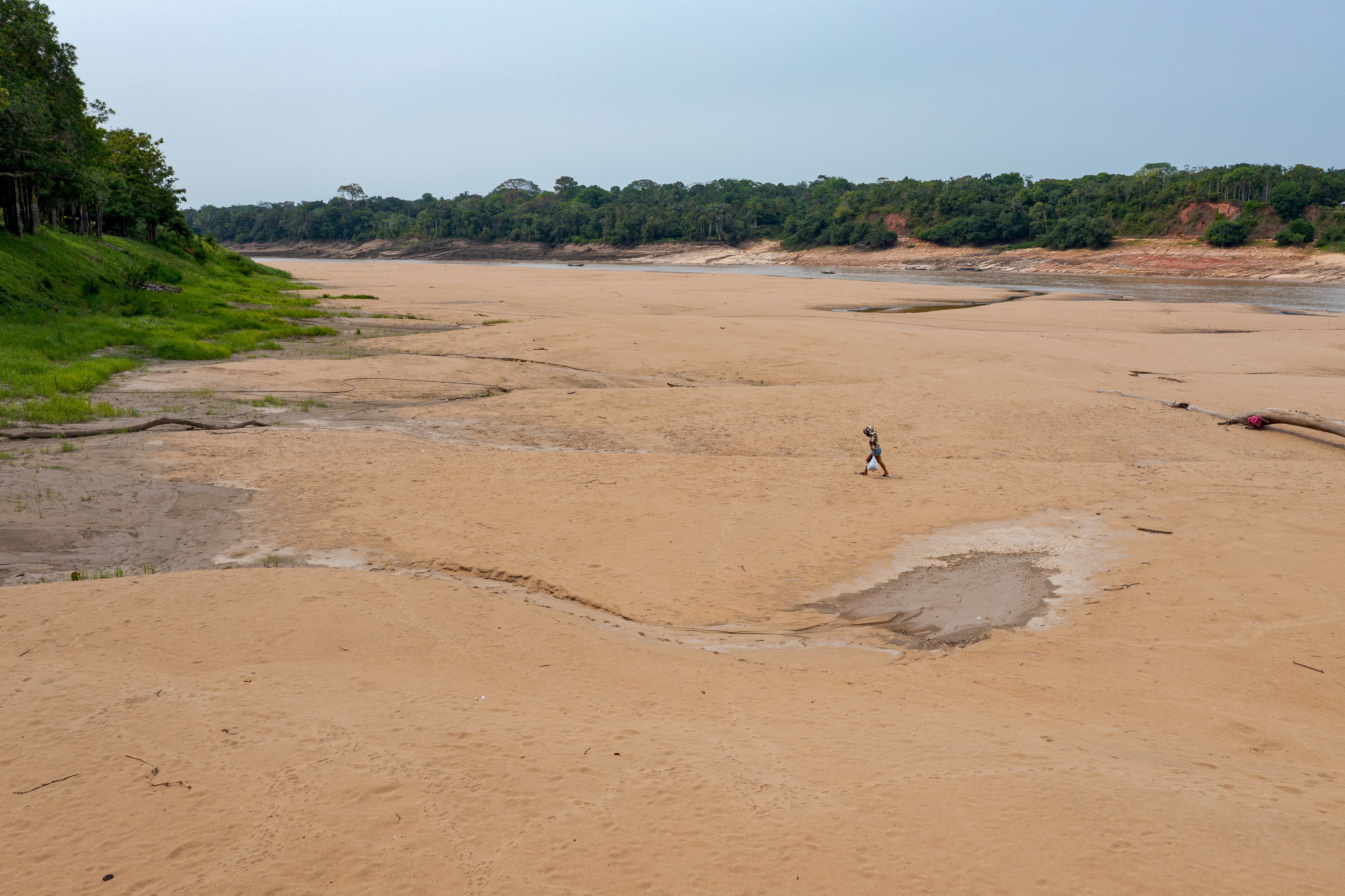
According to Aragão, during the 2023 and 2024 droughts, the heat and the drop in the levels of rivers and igarapés (small Amazonian waterways) caused mass mortality among fish and other aquatic animals, compromising fishing activities in the region. This not only affects the income generation of riverside families, but also food security.
Finally, the researcher points out that the reduction in water levels affects transportation and the connectivity of riverside communities, impacting the supply of food, medicine, and other essential items, as well as access to healthcare and education services.
Communities are left without assistance
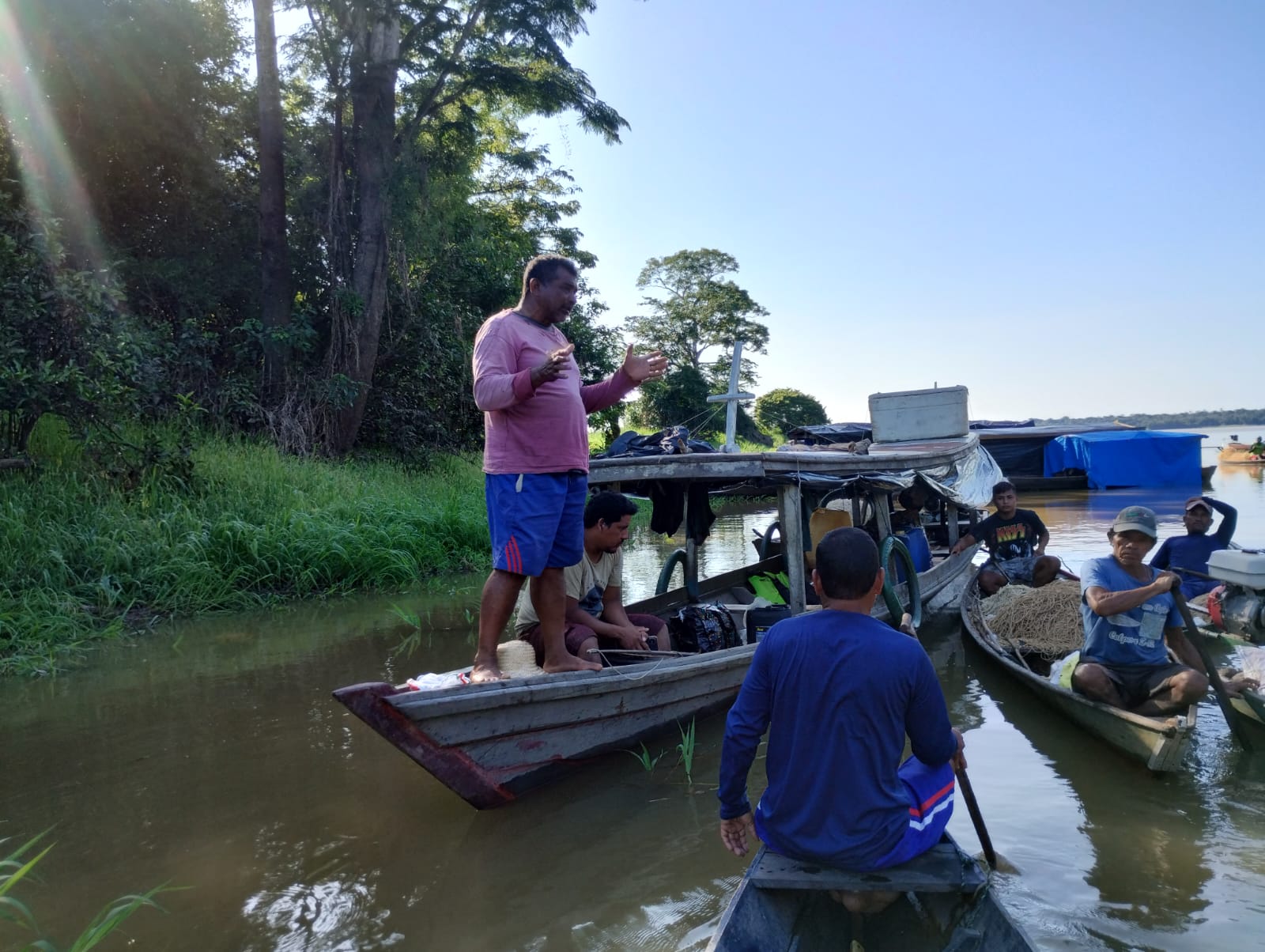
Manoel Nascimento lives in the Mamirauá Sustainable Development Reserve, in the municipality of Maraã, in the state of Amazonas. He works with pirarucu management, with support from the Mamirauá Institute. He says that the impact of the 2023 and 2024 droughts was very severe for the community.
“It completely affected the people who work with management activities. The mouth of the lake dried up so much that we no longer had access to it, there was no way to get in by canoe. We had to walk to the lake and transport the pirarucu by land. Now, we are preparing ourselves so that, if another major drought occurs, we will be able to carry out the management activities before the river dries up completely,” he reports.
According to the fisherman, there has been no action directed toward the communities by public authorities regarding a new extreme drought. “There has been no guidance from the government about another major drought or what should be done if it happens,” he says.
PREPARATION
Vando Gomes, Luiz Aragão, and Ane Alencar, the experts consulted for this report, unanimously agree that preparation for this scenario is necessary, as proposed in Justice Flávio Dino’s decision.
“In general, the Amazonian states are not prepared. The Amazon is a gigantic area, with many places that are difficult to access. We cannot think only about urban centers, but also about remote areas, which are the first to suffer. Public authorities need to develop contingency plans for droughts and wildfires, mapping areas at greater risk of fires and isolation. Civil Defense, IBAMA [Brazilian Institute of Environment and Renewable Natural Resources], ICMBio [Chico Mendes Institute for Biodiversity Conservation], FUNAI [National Foundation of Indigenous Peoples], and state and municipal agencies need updated data in order to act more directly and collaboratively, with forecasting, monitoring, and direct communication with the affected communities. It is necessary to strengthen inspections, fire brigades, and ensure water and food supplies for vulnerable populations,” points out Vando Gomes.

Preventive actions are essential
Luiz Aragão emphasizes that preventive measures are necessary, with response plans to be implemented before, during, and after the event. “We focus heavily on responding to these events and very little on prevention, especially in relation to communities. INPE works together with firefighters to strengthen firefighting capacity, identifying areas where there may be a greater incidence of these events. It is necessary to raise public awareness about reducing the use of fire, given the high likelihood of a Super El Niño occurring. More broadly, society needs more environmental education, especially in schools, understanding that climate change influences the frequency of these events. The implications are negative not only for the environment, but also for the national economy, because drought affects agricultural production and food security,” he argues.
Ane Alencar also reinforces the importance of prevention and awareness. “We cannot change the phenomenon, and we cannot change its impacts, so we need to change the actions that worsen those impacts. We also need to prepare ourselves to deal with these consequences and work toward reducing the damage. To achieve this, there must be engagement from the media, the private sector, the government, and society as a whole. Everyone needs to be engaged so that the effects of a Super El Niño are felt as little as possible.”
INSTITUTIONAL PARTNERSHIP
The production of Liberal Amazon is one of the initiatives of the Technical Cooperation Agreement between the Liberal Group and the Federal University of Pará. The articles involving research from UFPA are revised by professionals from the academy. The translation of the content is also provided by the agreement, through the research project ET-Multi: Translation Studies: multifaces and multisemiotics.