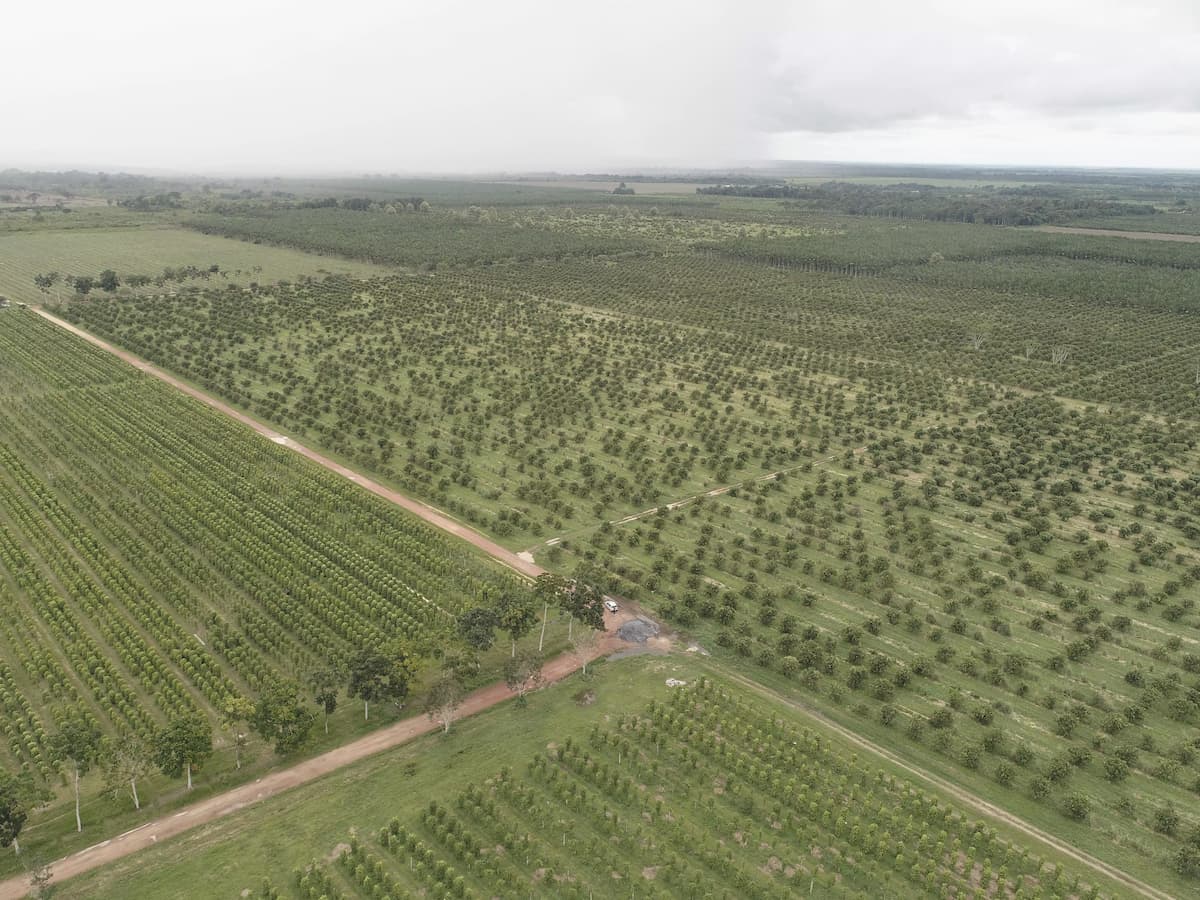
For years, Palacete Bibi Costa was better known for what people imagined about it than for what it actually held. Closed for about ten years, the mansion in the Nazaré neighborhood of Belém accumulated ghost legends, stories about its basement and a reputation for being abandoned. Now the Federal Rural University of the Amazon (Ufra) wants to return it to the city, not as a setting of mystery, but as the Museum of Amazonian Sciences and Knowledge.
The creation of the museum was approved by Ufra’s University Council in October. The proposal is to install the facility in Palacete Bibi Costa, on Avenida Governador José Malcher, at the corner of Travessa Joaquim Nabuco. The property, built between 1904 and 1906, was designed by engineer and businessman Francisco Bolonha for the family of Major Carlos Brício da Costa.
“The Museum of Amazonian Sciences and Knowledge is an old idea of ours here at the university, so that we can reorganize these collections of objects, stories and memories that have been lost over time,” says César Tenório, a professor at the Institute of Agrarian Sciences and deputy coordinator of Ufra’s Permanent Museum Commission.
For Tenório, the museum arises from an institutional need: Ufra is turning 75, yet it still has no space capable of gathering, protecting and exhibiting the material produced by its institutes, professors, researchers and inland campuses. “The idea is to bring together all this knowledge accumulated over the university’s more than seven decades, so that it is kept in a physical place where the people of Belém and visitors can learn about our history,” he says.
But the project does not intend merely to tell the university’s story. The proposal is to bring together science, culture, institutional memory and knowledge produced in the Amazon, including by traditional communities. “It will be a living museum, one that interacts with the history of the Amazon as a whole,” says Tenório. According to him, the space should receive outside contributions, temporary exhibitions and a program open to the public.
The professor stresses that Ufra intends to engage with traditional peoples and communities, such as riverside dwellers (ribeirinhos), quilombolas and Indigenous peoples. “There are several initiatives, both scientific and related to the history and culture of these peoples and traditional communities that we have here,” Tenório explains.
BELLE ÉPOQUE
Palacete Bibi Costa is not merely an old building. It is a document of Belém during the rubber cycle, the so-called Belle Époque of Pará, when the city experienced a period of wealth and urban modernization, but also of deep social inequality.

For historian Adriana Coimbra, a professor at the Federal Institute of Pará (IFPA) and a researcher in urban history, Palacete Bibi Costa expresses the aspirations of an elite that sought to display prestige through architecture. “While certain sectors of society enjoyed the benefits of the wealth and urban transformations brought by the rubber economy, a large part of the population remained excluded from these spaces and faced precarious conditions of housing and work,” she says.
It is precisely this contradiction, in the historian’s view, that gives strength to the museum project. A building associated with the prestige of an elite could become a public space for access to knowledge. “We are talking about a building constructed in a society marked by deep social distinctions, which could take on a public, educational and cultural function,” she assesses.
Mansion has four floors
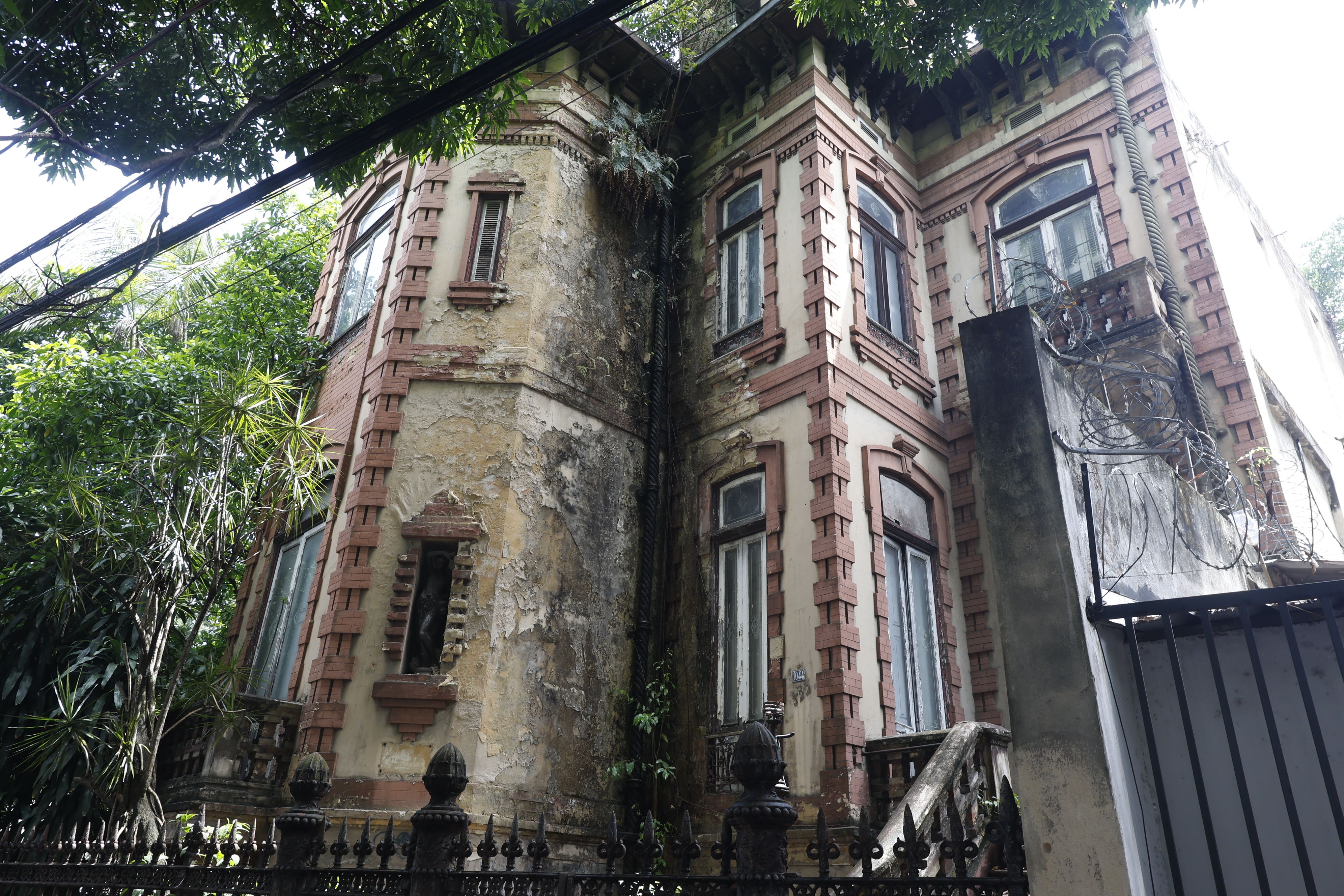
The palacete has four levels: basement, first floor, second floor and attic. The roof, still preserved, is made of French tiles. The walls are masonry, and the ceilings and floors are, for the most part, made of hardwood. Architect and urban planner José Freire da Silva Ferreira explains that the construction follows the language of early twentieth-century palacetes, with art nouveau influences.
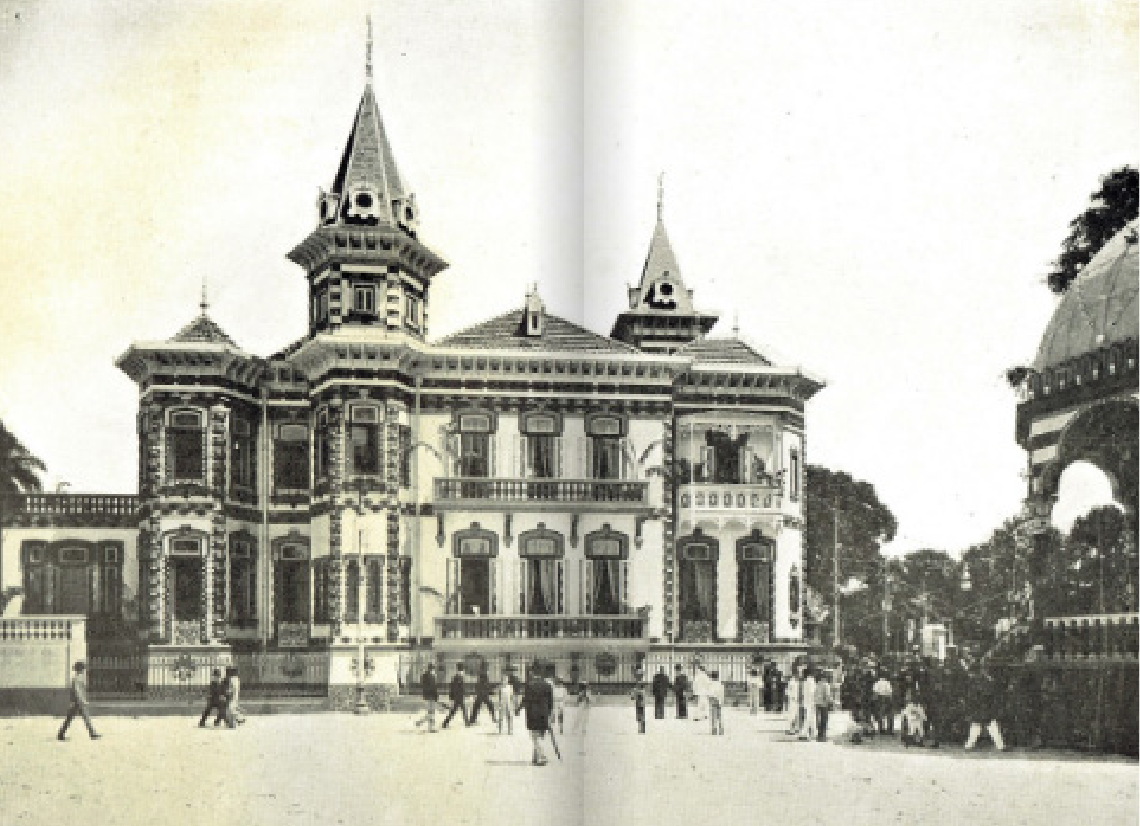
“Its architecture was a self-affirmation of the wealth of the new bourgeoisie that was emerging in Belém,” Ferreira points out. According to him, the restoration project should recover the building’s most valuable architectural and engineering elements, revitalizing it for use by the academic community and the general public.
The proposal provides for a thematic division of the spaces. On the first floor, there should be rooms dedicated to Land and Forests, Waters, and Fauna and Flora, as well as an exhibition on the history of the Ufra Museum. On the second floor, temporary exhibitions and a multipurpose room are planned. The basement will hold the entrance hall, a research area and a museum education room. The annex building, on Travessa Joaquim Nabuco, should house the museum’s administration.
Historian Adriana Coimbra argues that the architecture of Bibi Costa itself should be part of the museum experience. Research on the building has identified the use of reinforced concrete and metal elements in the structure, as well as streetcar rails used in the balconies. “These buildings were not just residences. They were also instruments of social representation. Architecture, therefore, functioned as a language of power,” she analyzes.
From fear to public access
The legends surrounding Palacete Bibi Costa did not arise by chance. The property remained closed for years, and the lack of knowledge about its interior spaces fueled ghost stories. Published accounts about the mansion also suggest that the basement was used to hold enslaved people even after the abolition of slavery.
For Adriana Coimbra, these narratives should not be dismissed as mere superstition. “They are also cultural expressions and reveal the ways in which the population establishes affective and symbolic relationships with places,” she says.
The historian believes that opening the palacete could change this view. “The population will finally be able to see its interior spaces, its architecture and its history, drawing closer to a heritage site that, for a long time, was known mainly for its exterior appearance and the stories told about it.”
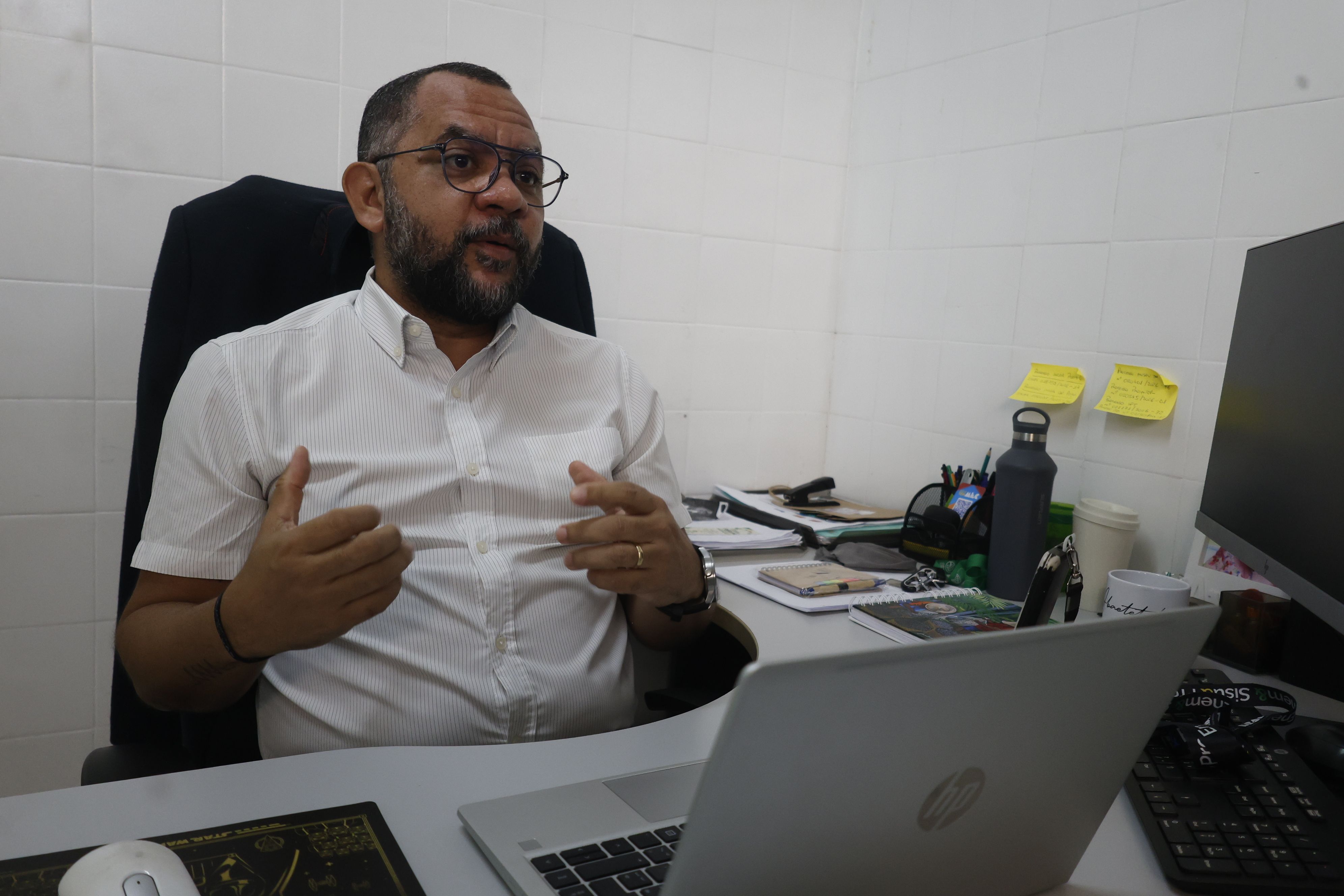
She proposes that the legends be investigated and incorporated into the museum’s educational activities. “What I consider most important is that the palacete stop being merely a place about which stories are told and also become a place that people can get to know, experience and where they can produce knowledge,” she concludes.
WHAT IS MISSING
The creation of the museum has been formalized, but opening to the public is still far off. “Today we have a declaration of availability, issued by the Federal Property Secretariat (SPU). The university’s expectation is to obtain provisional custody by the end of this year,” Tenório notes. The definitive transfer, he says, could take about a year.
After that, it will be necessary to raise funds, draw up the museological project, and carry out the restoration of the palacete and the renovation of the annex. The university is considering hiring a civil society organization to help with management, fundraising and administration of the facility.
The annex is scheduled to begin operating in 2027, with the administrative section. Opening to the public, however, should take four to five years, when the museological project will be fully structured and the building, which is a heritage site listed at the state level, will be restored. The inauguration should therefore coincide with Ufra’s 80th anniversary celebrations in 2031.

In January 2027, the university plans to hold a seminar to map existing collections, identify those responsible for their conservation and present the museum’s concept to the academic community.
The project also includes a café, a shop selling Amazonian products and souvenirs, and spaces for socializing. The idea, according to Tenório, is to create an environment that goes beyond the traditional visit.
A new destination for Bibi Costa
The choice of Palacete Bibi Costa could strengthen a cultural corridor in Nazaré, alongside other historic buildings such as the Museum of the Federal University of Pará (UFPA), Palacete Bolonha and Palacete Faciola. For Tenório, the initiative represents an opportunity to recover an idle heritage site and turn it into a meeting place for science, culture and memory. Thus Bibi Costa, which for years was known as the “haunted little castle,” may come to be recognized as a place where the Amazon tells its own story.
INSTITUTIONAL PARTNERSHIP
The production of Liberal Amazon is one of the initiatives of the Technical Cooperation Agreement between the Liberal Group and the Federal University of Pará. The articles involving research from UFPA are revised by professionals from the academy. The translation of the content is also provided by the agreement, through the research project ET-Multi: Translation Studies: multifaces and multisemiotics.