Artificial Intelligence (AI) is already a reality in the lives of many people, whether as consumers of AI-powered products or users of AI tools. From videos of dancing cats on social media to complex data processing for scientific research, experts see the rapid growth of AI as "a path of no return."
This explosive growth in AI usage has led to increasing demand for AI data centers—physical facilities that house the computing infrastructure required for AI, including servers, data storage systems, and networking equipment.
AI data centers are rapidly spreading across the world. However, in addition to their technological benefits, they can also create challenges for the communities where they are built and for the environment. These facilities consume enormous amounts of electricity and water—used primarily to cool equipment—and generate constant noise around the clock. Energy instability, water shortages, and continuous noise pollution have affected communities living near data centers worldwide, prompting numerous public protests.
Studies also indicate that these facilities can create urban heat islands, increasing surrounding temperatures by nearly 9°C (16°F) within a radius of up to 10 kilometers (6.2 miles). In addition, greenhouse gas emissions from major technology companies—the so-called "Big Techs"—have risen in recent years due to the expansion of AI infrastructure.
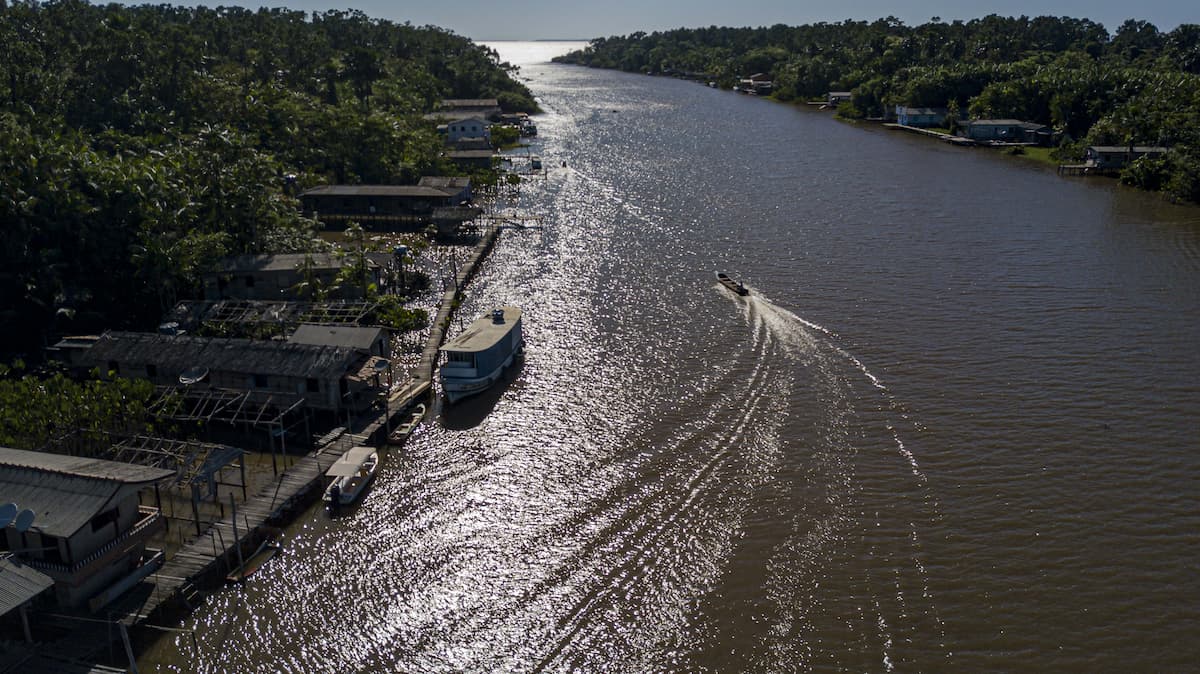
Now it is Belém's turn to receive an Artificial Intelligence data center—with all the opportunities and challenges that such a project may bring to the city and the region.
ANNOUNCEMENT
At the end of last month, Elea Data Centers and Axia Energia (formerly Eletrobras) announced that the first AI-focused data center in the Amazon region will be built in the capital of Pará. Operations are expected to begin in the second half of 2027. Elea Data Centers will operate the facility, while Axia will supply power to the project, known as BEL1.
The facility will be built near the Miramar high-voltage substation in the Barreiro neighborhood, which is operated by Axia, ensuring the energy supply required for the data center.
According to Elea Data Centers, the Belém installation aims to strengthen technological infrastructure in a strategically important region and expand Brazil's digital connectivity by serving as a complementary route to Fortaleza, Ceará, which is currently the country's primary landing point for submarine fiber-optic cables carrying internet traffic.
BEL1 is expected to consume the equivalent electricity of 500,000 homes
The announcement has nevertheless raised numerous questions from both government authorities and civil society.State Representative Lívia Duarte (PSOL), for example, formally requested a preventive investigation by the Public Prosecutor's Office of the State of Pará (MPPA), calling for assessments of water security, energy reliability, and the project's potential social and environmental impacts. BEL1 is expected to consume an amount of electricity equivalent to that used by 500,000 households.
In addition to the legislator's request, the MPPA itself has already launched a civil investigation into the project. The action was initiated by Márcio Silva Maués de Faria, the First Public Prosecutor of Barcarena, due to concerns about potential impacts on islands belonging to the municipality, located approximately 4.5 kilometers (2.8 miles) from the proposed site.
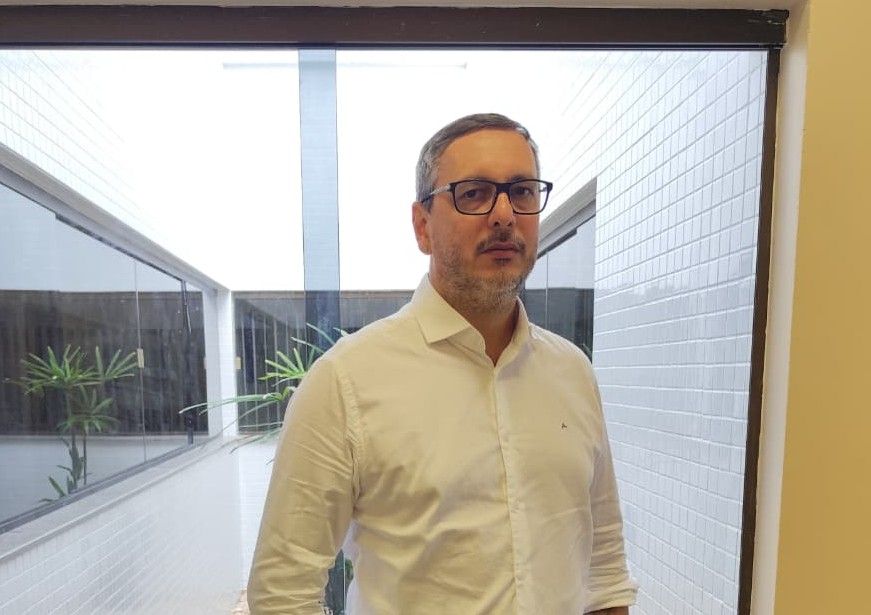
According to the prosecutor, the project was announced without prior public consultation or clarification regarding environmental licensing.
"Several aspects of the project require careful clarification, especially when viewed in the context of climate change. Consumers in Pará already pay the highest electricity rates in Brazil while receiving poor-quality service, and guarantees are needed to ensure that the data center's demand does not worsen this situation. Around the proposed site, including the islands of Barcarena and neighborhoods in Belém, thousands of people still lack access to clean drinking water and basic sanitation. A project that may consume significant water resources raises concerns, as do the type of environmental licensing to be adopted and the lack of prior consultation and public hearings," he stated.
Elea says the data center will not affect public water supply
When contacted by O Liberal, Elea Data Centers said it remains open to dialogue with public authorities, institutions, local communities, and other stakeholders to provide all necessary information.
"The BEL1 data center is being developed with a focus on operational efficiency, sustainability, and full compliance with applicable legislation. Implementation of the project depends on the completion of social and environmental due diligence, technical studies, and licensing procedures conducted by the relevant authorities."
According to the company, BEL1 will use an air-conditioning-based cooling system, meaning that no water will be used for cooling, and therefore it will not compete with the public water supply.
The company also stated that the data center will not compete with electricity supplied to consumers in Pará and that all electricity consumed by the facility will come from renewable energy sources contracted through Axia.
"It is important to emphasize that connecting new projects to Brazil's electrical grid follows strict technical regulations. A new connection is authorized only when sufficient grid capacity exists. These rules ensure that new consumers do not compromise the quality or stability of electricity supplied to the population."
Community representatives remain vigilant
Manoel Fonseca, a social, cultural, and environmental activist from Barreiro, says local residents have received no information beyond what has appeared in the press and on social media. He expresses concern about the project. "We have never opposed progress, especially when it benefits our community. However, there have been projects that promised improvements but ultimately worsened our quality of life. No company consulted us or sought our opinion. We expect everything to be done according to strict environmental protection standards. If we realize that the community will be harmed, there will be resistance", he emphasizes.
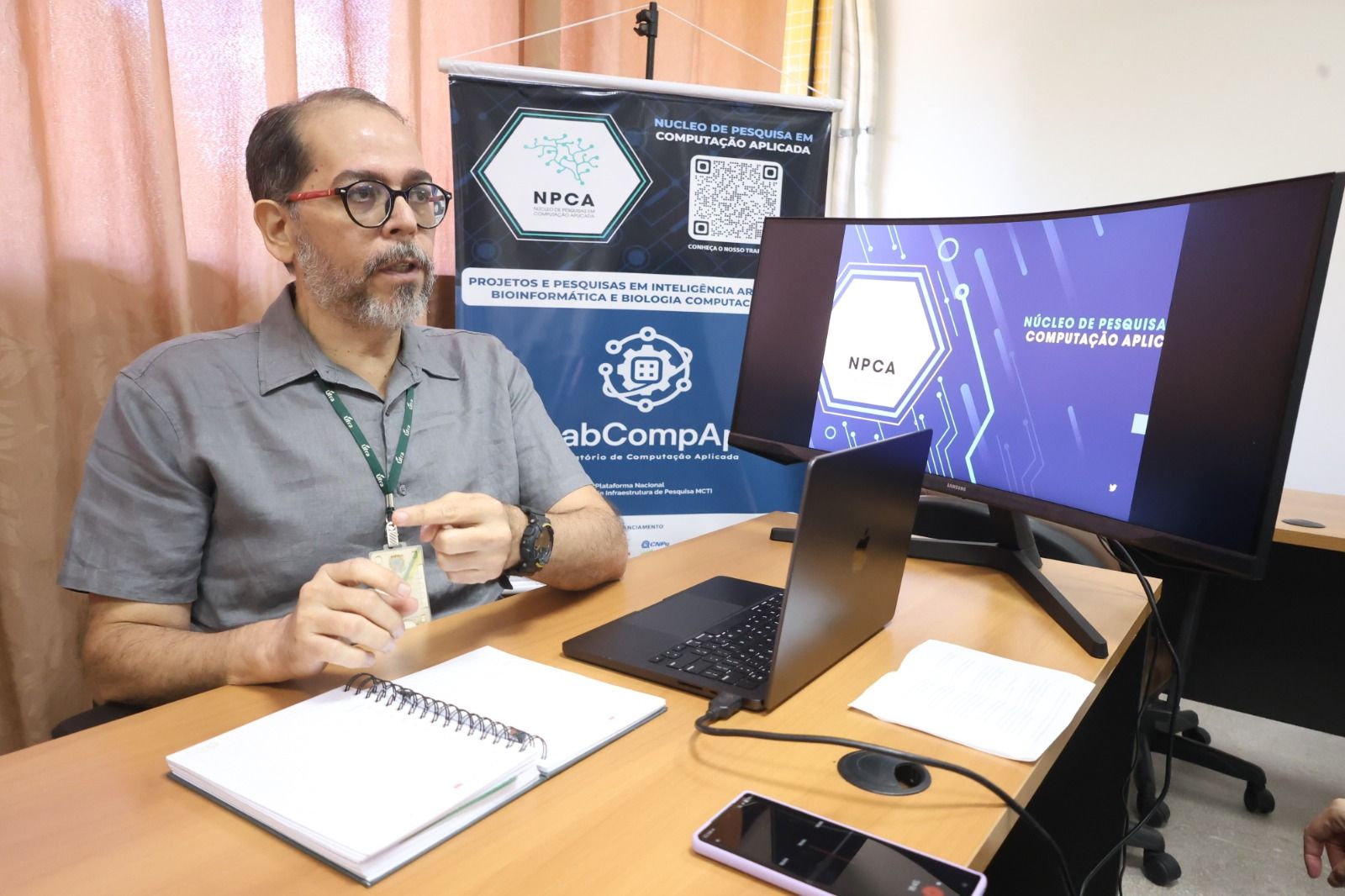
Murilo Monteiro, a resident of the neighboring Sacramenta district and director of the Instituto Ambient, an organization focused on sustainable development, noted that the companies responsible have not yet communicated directly with local residents or organizations working in the area.
"This lack of dialogue creates uncertainty and demonstrates the need for greater transparency and public participation from the earliest stages of the project. We are not opposed to technological advances but we have observed among local residents a mix of anticipation and concern. There is genuine interest in gaining a better understanding of the project, but there is also uncertainty stemming from the lack of clear information about its potential impacts and benefits. When communities are not involved in the process from the outset, they tend to feel disconnected from decisions that directly affect their territory," he emphasizes.
Experts advocate community benefits
Technology experts welcome the arrival of the data center in Belém but stress the importance of environmental safeguards, public consultation, and tangible benefits for the local population.
Marcus Braga, a professor at the Federal Rural University of the Amazon (UFRA) and a computer scientist specializing in Artificial Intelligence, believes the project represents a major opportunity for both the region and the country.
"Today, everyone uses AI in their daily lives, yet Brazil still lacks autonomy in this field and remains dependent on foreign companies. That is why the country has adopted a national policy to strengthen the sector through incentives and subsidies. Data centers bring technology, create jobs, accelerate digital transformation, and expand fiber-optic infrastructure, improving connectivity. In addition, companies are required to provide a public counterpart by making approximately 10% of their processing capacity available to government agencies," the professor explains.
Braga emphasizes, however, that sustainability must remain a central concern.
"It is impossible to think about development without considering its environmental impact. One of the key challenges today is building sustainable data centers by adopting mitigation measures such as renewable energy, water reuse, advanced cooling technologies, heat dissipation systems, and noise reduction strategies," he says.

BENEFITS
Clauber Leite, Director of Sustainable Energy and Bioeconomy at the E+ Energy Transition Institute, believes Brazil needs to expand its digital infrastructure and that data centers are an essential part of this strategy. However, he argues that society must also receive meaningful benefits in return.
"The issue is not whether we should support or oppose these projects. The real question is: What kind of development do these projects leave behind for the country? If they use electricity grid capacity and consume natural resources, they must generate equivalent benefits for the regions where they are located. How many skilled jobs will they create? How will they help train professionals? What innovations will they bring, and how will they strengthen local production chains? It is not enough to comply with environmental regulations; they must also ensure benefits that are proportional to their impact," Leite argues.
According to him, it is possible to reduce the social and environmental impacts of these developments because effective technologies are already available.
"But that alone is not enough. It is essential to ensure that projects are planned in a way that is more compatible with local environmental and urban realities, while generating lasting economic and social value for the region," he concludes.
INSTITUTIONAL PARTNERSHIP
The production of Liberal Amazon is one of the initiatives of the Technical Cooperation Agreement between the Liberal Group and the Federal University of Pará. The articles involving research from UFPA are revised by professionals from the academy. The translation of the content is also provided by the agreement, through the research project ET-Multi: Translation Studies: multifaces and multisemiotics.