Among the main discussions regarding climate change is the energy transition, which aims to reduce reliance on fossil fuels to curb global warming. However, there is another chain dependent on the oil industry: the manufacturing of plastics, derived from petroleum or natural gas, which are major environmental villains.
Due to their composition of very strong chemical bonds, which fungi and bacteria cannot easily break down, plastics are materials that take hundreds of years to decompose in the environment. Forecasts indicate that, despite recycling and reuse initiatives, the production of this material is expected to triple by 2080.
It is within this context that researchers and entrepreneurs are investing in the creation of alternative materials to plastic for manufacturing biodegradable packaging, cups, and other items. In the Amazon, these initiatives utilize local raw materials, such as açaí and cassava. In Belém (PA), the Amazon Cellulose Laboratory (AmazonCel) manufactures various types of paper using waste from the açaí production chain, while in Manaus (AM), the startup Bioplazon relies on cassava waste to produce bio-packaging.
POTENTIAL
Forestry engineer Lina Bufalino, a professor at the Federal Rural University of the Amazon (UFRA), leads the initiative in Belém, where AmazonCel is based. The professor recounts that she became interested in açaí fiber when she arrived in the Amazon, more specifically in Amapá. "I am from São Paulo, but I studied in Minas Gerais, where I learned to value plant fibers, which can be converted into various products, such as construction materials and paper. I first encountered açaí waste in 2014. I picked it up and noticed that the seed is covered by those little hairs, which are fibers rich in cellulose and would have the potential to be turned into paper," she recalls.
The researcher then began studying the characteristics of the açaí fiber. In 2021, when Lina was already in Pará as a professor at UFRA, she proposed the creation of a laboratory in the field and secured funding from the Amazon Foundation for the Support of Studies and Research (Fapespa).
PRODUCTS
The laboratory's initial focus was producing bio-packaging from açaí fiber. "When we launched the project, the goal was to create eco-packaging for the food, cosmetics, and medical sectors. Our main concern was ensuring the paper had the minimum properties and quality required for these uses. That's what we test in the lab: how resistant it is to water and air, and whether it won't tear easily, since we are dealing with packaging," Lina reports.
In addition to packaging, the idea of producing specialty papers, like those used for invitations or certificates emerged. "We also began discussing the aesthetics of the paper. There is a paper made 100% from açaí waste where you can't even tell. Then there are papers where you can actually see the fibers scattered across the sheet. This adds an aesthetic appeal and highlights the cultural value of the Amazon. For instance, we could imagine a soap made in the Amazon wrapped in paper packaging that also comes from the Amazon," the researcher explains.
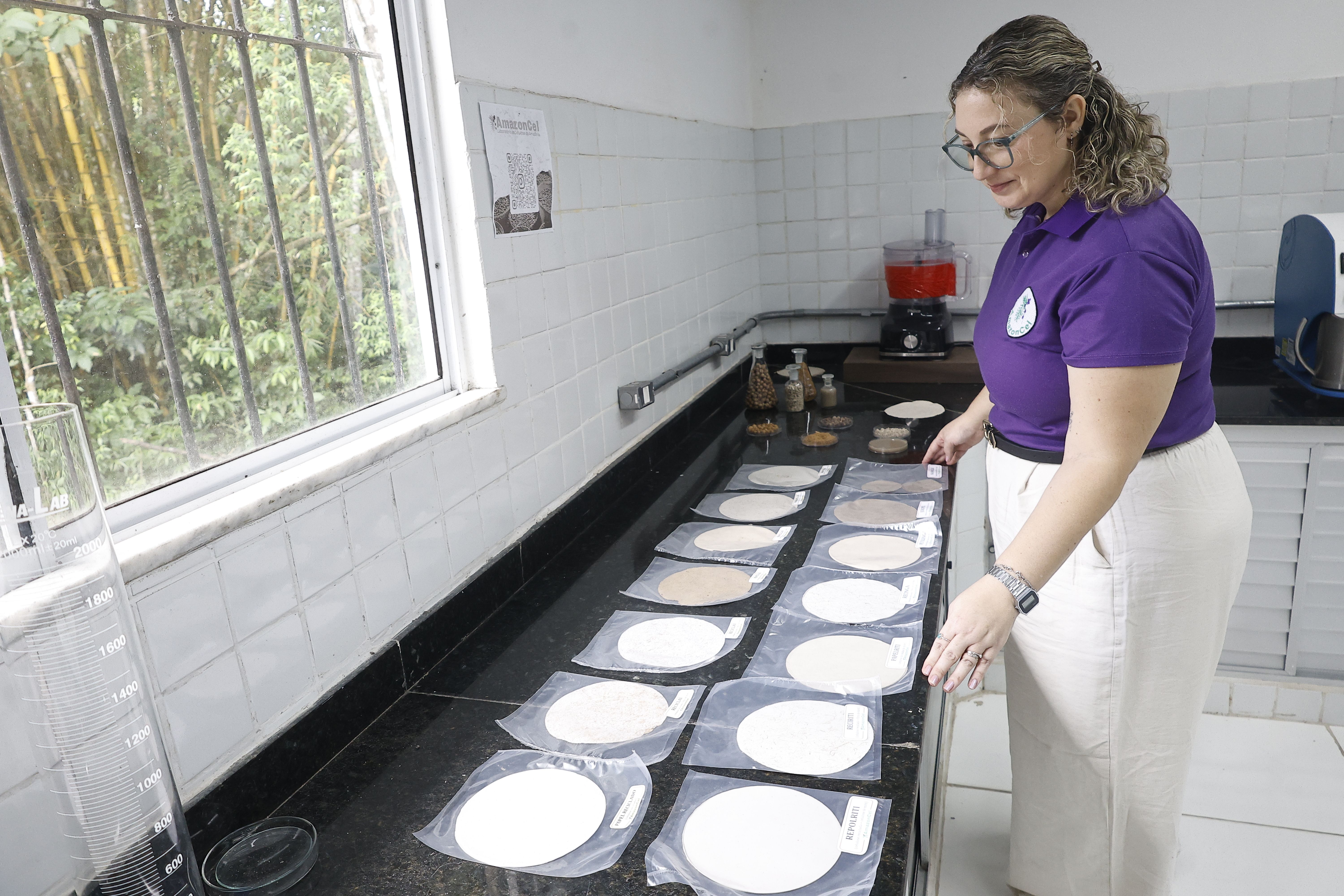
Chemist Lays Matos, a postdoctoral researcher at UFRA and a member of the AmazonCel research team, discusses the new tests conducted over time. "The first paper we produced was 100% açaí fiber. Now, we are studying miriti waste, a raw material widely used here in the Amazon for handicrafts. The artisans' work leaves behind a lot of miriti shavings. We have successfully made paper entirely out of this miriti waste by transforming the residue into cellulose pulp," she details.
INNOVATION
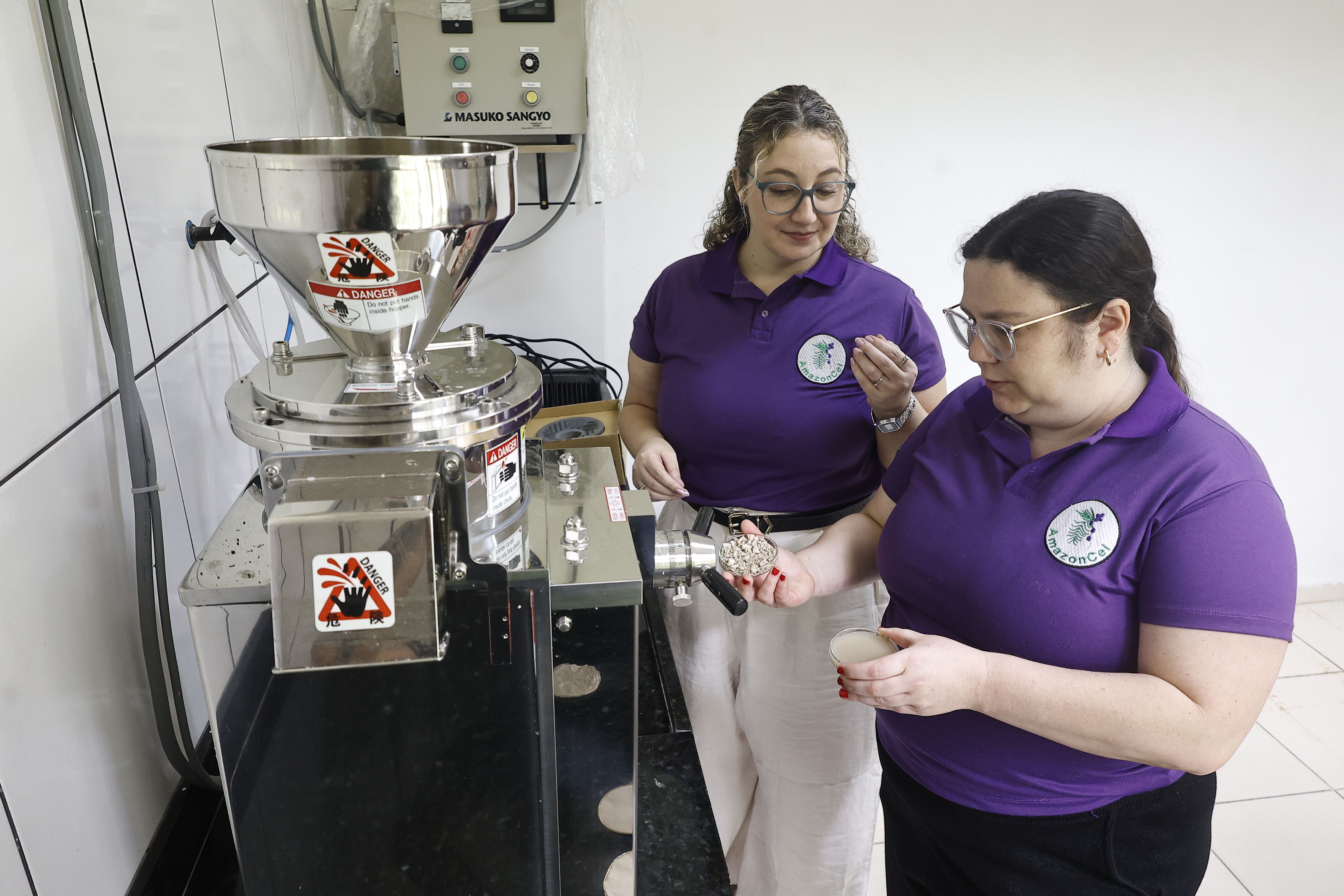
More recently, the laboratory received a major boost for its research: equipment capable of producing açaí nanopaper, that is, paper produced using nanotechnology. It is the sixth machine of its kind in Brazil.
"Inside the equipment, the cellulose molecule is reduced through friction. The cellulose pulp becomes a gelatinous structure with new properties. We convert cellulose pulp into nanocellulose using only water and electricity, without any chemical reagents. This is one of its major environmental appeals," Lina highlights.
In addition to the environmental advantage, the nanopaper also boasts better performance. "It has 30% more mechanical strength than the other paper. It also features improved barrier properties, which are important for packaging, such as keeping water out and not falling apart easily. It can be used in the paper packaging segment, as well as in the pharmaceutical and automotive industries, and even in the production of sustainable computer chips to avoid heavy metals," the professor suggests. Biodegradable chips made from nanocellulose are already being produced in other countries, functioning without silicon or rare metals.
Açaí waste harms the environment
Beyond the push to partially or entirely replace plastic packaging, AmazonCel is also tackling another regional environmental issue by repurposing what would otherwise be discarded as trash. In the açaí production chain, only 20% of the fruit is used to produce the edible pulp. The pits left over from this process are a residue that usually lacks proper disposal.
"Açaí waste is a major problem. If left in nature without any use, it naturally degrades, releasing CO2 into the environment. Furthermore, it attracts rats and cockroaches, potentially becoming a public health issue. Sometimes, it is dumped directly into rivers, causing silting. And it is a waste produced in massive quantities in the region," explains Lina Bufalino.
SCALE
According to the professor, investments are required to scale up production. "That is what we are seeking today. We have already looked into machinery and considered how to go about it: whether it would be through a business incubator, a startup, or if the students themselves want to engage in something of this kind. The dream is for it to become a small- or medium-scale industry, allowing us to utilize this material more effectively," says the professor.
Startup invests in bio-packaging made from cassava waste
Chemist Igor Pinto, CEO of the Manaus-based startup Bioplazon, says the proposal for producing bio-packaging emerged in 2021. "I noticed the growing demand for more sustainable alternatives, especially in the food sector, which began using even more packaging after the (COVID-19) pandemic. At that time, I was working as a researcher in the fields of chemistry, nanotechnology, and nanomaterials. Drawing from my experience and the Amazonian context, I began studying the utilization of waste from the cassava production chain," he recalls.

The professional observed that cassava peels still contained starch and fibers with the potential to be recovered and transformed into new materials. "That is how the idea of developing biodegradable packaging from cassava came about, adding value to an agro-industrial residue that would normally be discarded," he says.
Bioplazon was born out of this research and was structured with various forms of support, through programs from the Brazilian Micro and Small Business Support Service (Sebrae), the National Service for Industrial Training (Senai), the Reference Centers in Innovative Technologies Foundation (Fundação Certi), and the Amazonas State Research Support Foundation (Fapeam). The company is housed in the business incubator at the Federal University of Amazonas (Ufam).
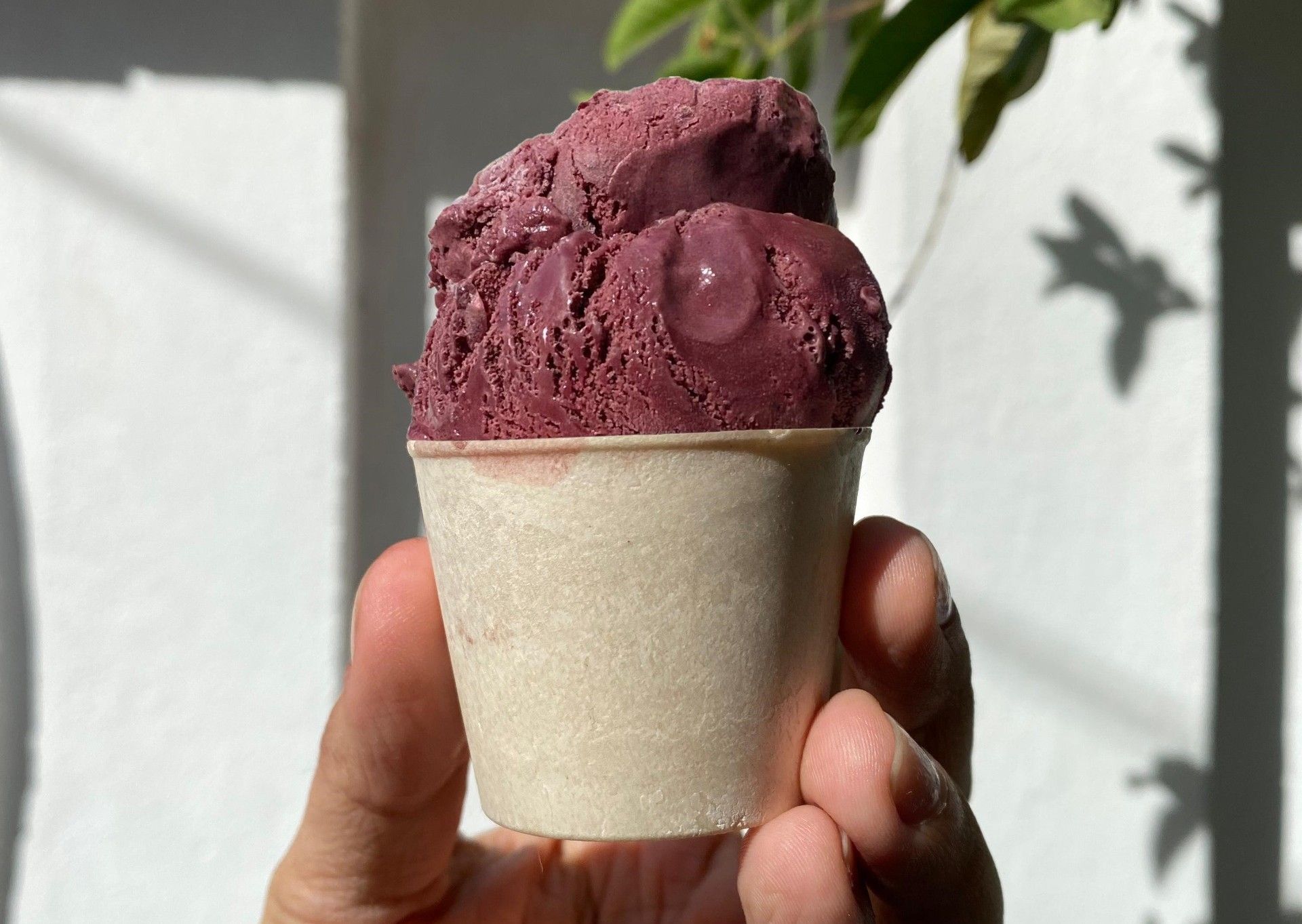
Currently, the startup produces 50 and 200 ml cups and is developing containers such as bowls, trays, and other single-use items. The raw material is cassava starch, along with natural fibers recovered from agro-industrial waste, such as those found in cassava peels and açaí pits.
"Bioplazon is located near different cassava-producing regions in Amazonas. Our goal is to build partnerships with producers, flour mills, cooperatives, and small agro-industries to utilize the waste already generated during the production of cassava flour and other derivatives. We are not looking to stimulate cassava production to manufacture packaging, but rather to make better use of what is already produced and would normally have little commercial value or be discarded," Pinto explains.
DEMAND
According to the CEO, production currently operates on a pilot and pre-industrial scale, with a capacity of 21,000 units per month, but the goal is to ramp up this capacity. "Demand has grown as the market becomes better acquainted with the technology and understands its environmental benefits. Biodegradable materials still carry a higher cost than conventional plastics. Therefore, we initially work with companies that already have sustainability commitments and are willing to test new solutions. The reception has been positive. Some clients started by purchasing batches of approximately 5,000 units and are now negotiating for around 120,000 units," the entrepreneur celebrates.
For him, the initiative contributes to the Amazonian bioeconomy by transforming regional resources and waste into higher value-added technological products. "Instead of solely exporting raw materials, we aim to develop knowledge, technology, jobs, and finished products within the region itself, bridging science, local knowledge, environmental conservation, and income generation," he states.
INSTITUTIONAL PARTNERSHIP
The production of Liberal Amazon is one of the initiatives of the Technical Cooperation Agreement between the Liberal Group and the Federal University of Pará. The articles involving research from UFPA are revised by professionals from the academy. The translation of the content is also provided by the agreement, through the research project ET-Multi: Translation Studies: multifaces and multisemiotics.