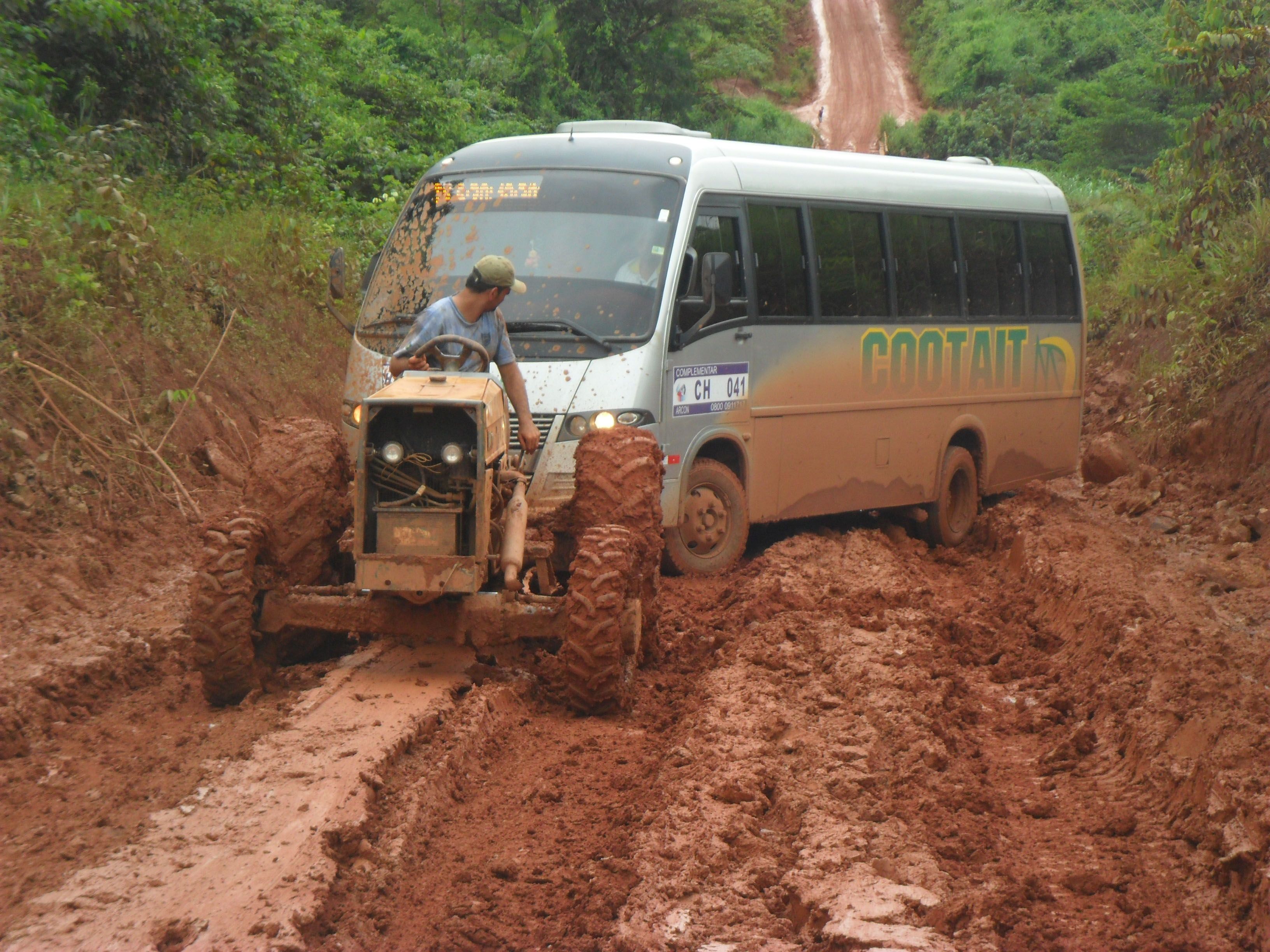
Year in and year out, it’s the same story: those who need to travel along certain stretches of the Trans-Amazonian Highway, BR-230, during the Amazonian rainy season face heavy mud, impassable sections and damage to their vehicles.
One of the most emblematic scenes illustrating the difficulty of traveling along the highway took place during the covid-19 pandemic. After a truck became stuck in the stretch between the municipalities of Placas and Rurópolis, in Pará, an ambulance carrying a patient was unable to proceed. The patient had to be carried on a stretcher, along with an oxygen cylinder, in order to reach the Hospital Regional Público da Transamazônica [Trans-Amazonian Regional Public Hospital], in Altamira.
Although its construction began in the 1970s, the highway has yet to be completed to its planned length and remains only partially paved. In addition, it carries a legacy of negative outcomes, with numerous socio-environmental impacts.
But why, after more than 50 years, does the Trans-Amazonian Highway remain unfinished and surrounded by so much controversy?
National integration
The initiative to build the Trans-Amazonian Highway originated under Brazil’s military regime, during the presidency of Emílio Garrastazu Médici. According to César Martins de Souza, a historian and professor at the Federal University of Pará, who specializes in the Trans-Amazonian Highway, the project had already been conceived as early as 1969.
“I found documents from that year outlining a proposal by the Departamento Nacional de Estradas de Rodagem - DNER [National Department of Highways], now the Departamento Nacional de Infraestrutura de Transportes - DNIT [National Department of Transport Infrastructure], to build a transcontinental highway running east to west, linking not only Brazil but also the Atlantic to the Pacific, via Peru,” he said.
But it was only in 1970 that the idea took shape and construction actually began. “Legend has it that, while flying over the Amazon, Médici looked down at the green of the forest and described it as an empty and uninhabited space. But it is important to stress that populations were already living there. According to Souza, after delivering a speech in Recife, at a time of severe drought in Brazil’s Northeast, he is said to have decided to build the Trans-Amazonian Highway”.

The proposal was to encourage migration from Brazil’s Northeast, where people were fleeing drought, to occupy sparsely populated areas of the Amazon, marking yet another migratory wave from the Northeast to the North, as had occurred during the rubber boom cycles. “Two demands were addressed at once: providing land to drought-affected Northeasterners and promoting the occupation of the Amazon, portrayed as empty, so that it would not be lost or taken over by foreigners, under the slogan ‘Integrar para não entregar’” [Integrate to not surrender], the historian said. Another military-era slogan associated with the policy was “terra sem homens para homens sem terras” [land without men for men without land].
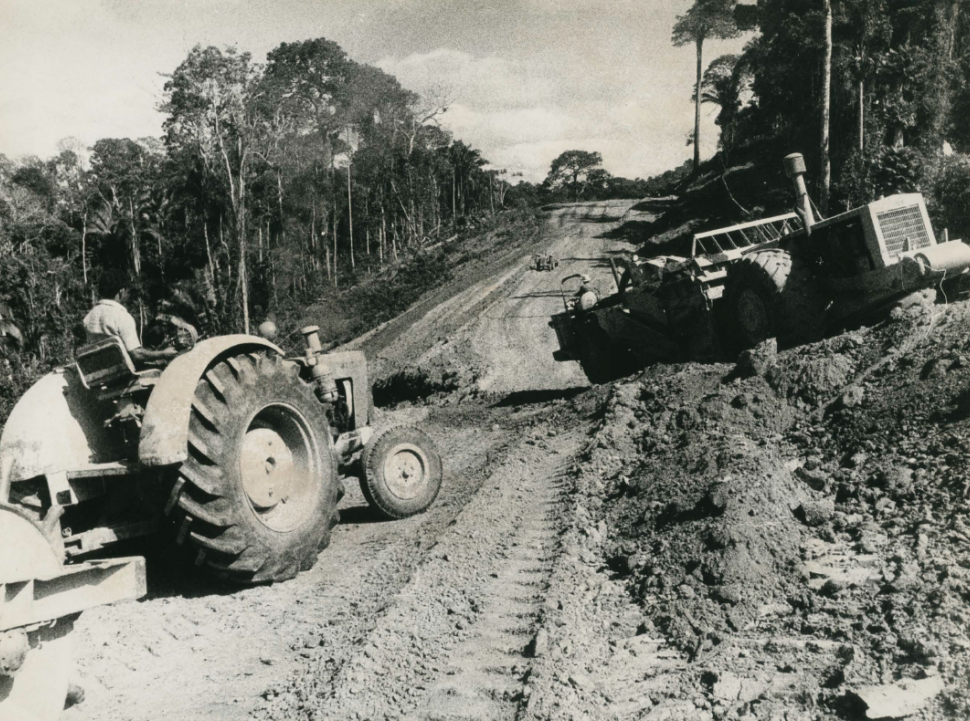
A week after the trip to Recife, Brazil’s military regime launched the Programa de Integração Nacional (PIN) [National Integration Program], aimed at more closely integrating the Amazon into the national economy by way of infrastructure projects such as BR-230. The construction of the highway officially began in October 1970, as part of the military government’s so-called “grandes projetos” [major projects] for the region, which ultimately led to a range of negative consequences.
Environmental and public health impacts
According to César Martins de Souza, the socio-environmental impacts of the Trans-Amazonian Highway were wide-ranging, at a time when environmental legislation and protections for traditional communities were far less developed than they are today. “Environmental issues were not a priority at the time. Legislation was weak, and public discourse did not address these concerns. For example, I interviewed farmers in Lábrea, in the state of Amazonas [where BR-230 ends], and they told me that, to secure land ownership, they had to make ‘improvements’ to the land. For the government, that meant clearing the forest entirely. Inspections would then follow to verify whether the forest had been cut down and something had been planted,” the historian said.
“Then you see a reversal of the logic we know today. Nowadays, people talk of environmental protection and of the rights of traditional communities. But at that time, it was as if those communities did not exist, and environmental concerns were simply not part of the debate,” the specialist added.
FEARS
Souza also points to the health problems that emerged at the time. “There were significant public health impacts. There were fears of new pathogens and diseases in the interior of the forest. Mortality rates among construction workers were very high, as were rates of abandonment. There was also an insect known as the pium, which frightened many people, as its bite could cause fever, allergic reactions and even death,” the professor recalled.
“Along the Trans-Amazonian Highway, the original forest is no longer found. There were further impacts with the opening of feeder roads. There was also no proper consideration for the Indigenous populations living in those areas. Contemporary reports often showed a so-called ‘concern’ about not harming Indigenous peoples. In practice, this meant sending a team ahead to try to persuade them to move away from the planned route of the highway. If that did not work, the guidance was to avoid confrontation. So you can see it was ultimately discretionary. There were numerous instances of violence, ranging from intercultural misunderstandings to the expulsion of communities living there,” Souza said.
Disorderly occupation marked the project
For Virgílio Viana, superintendent general of the Fundação Amazônia Sustentável - FAS [Sustainable Amazon Foundation], a civil society organization focused on environmental protection, paving BR-230 is a complex issue, as it has produced deep and often contradictory impacts, oscillating between the promise of economic development and serious socio-environmental risks.
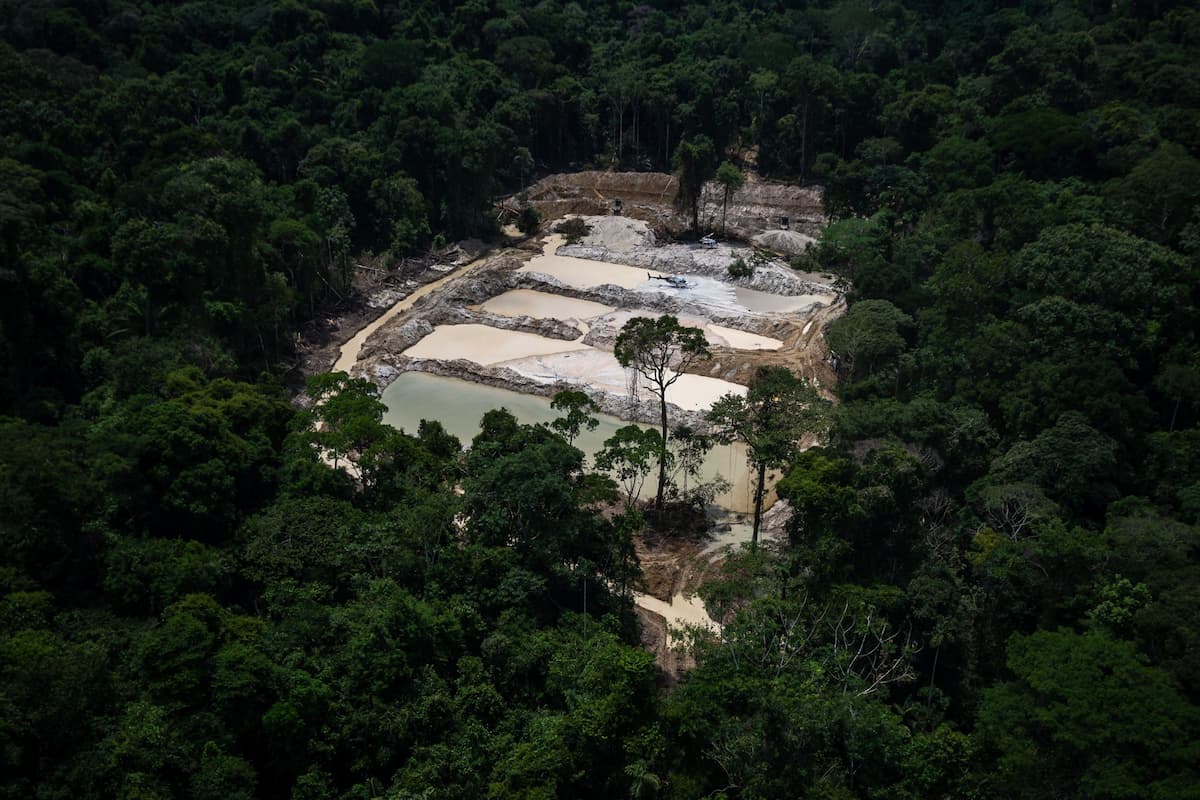
“The construction of the Trans-Amazonian Highway took place in a historical context in which consolidated legal frameworks for environmental protection and the rights of traditional communities were not yet in place. As a result, the opening of the highway was associated with processes of unplanned occupation, rampant deforestation, illegal mining, land grabbing and land conflicts. In addition, the lack of territorial planning and of instruments such as ecological-economic zoning contributed to the establishment of productive activities incompatible with the region’s environmental characteristics, generating long-lasting impacts on the forest and on local communities,” the environmentalist said.

On the other hand, the superintendent acknowledges that paving the highway is seen as important for the economic development of southern Amazonas and western Pará, as it facilitates the flow of goods, strengthens efforts to combat drug trafficking and improves access to basic services such as healthcare and education.
SEVEN STATES
“With more than 4,260 kilometers, the highway crosses seven states, and a large portion of its length remains unpaved, becoming impassable during the rainy season. Despite being Brazil’s third-longest federal highway, the Trans-Amazonian still lacks pavement along extensive stretches more than 50 years after its construction began, turning transportation in the region into a constant challenge,” Viana said.
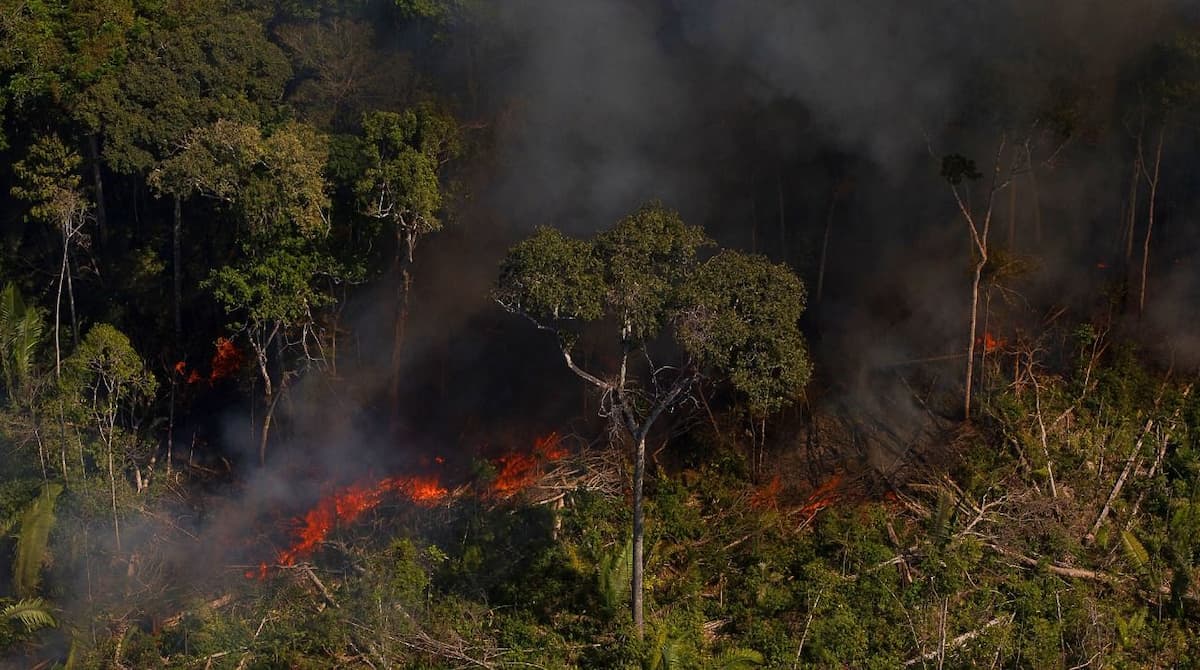
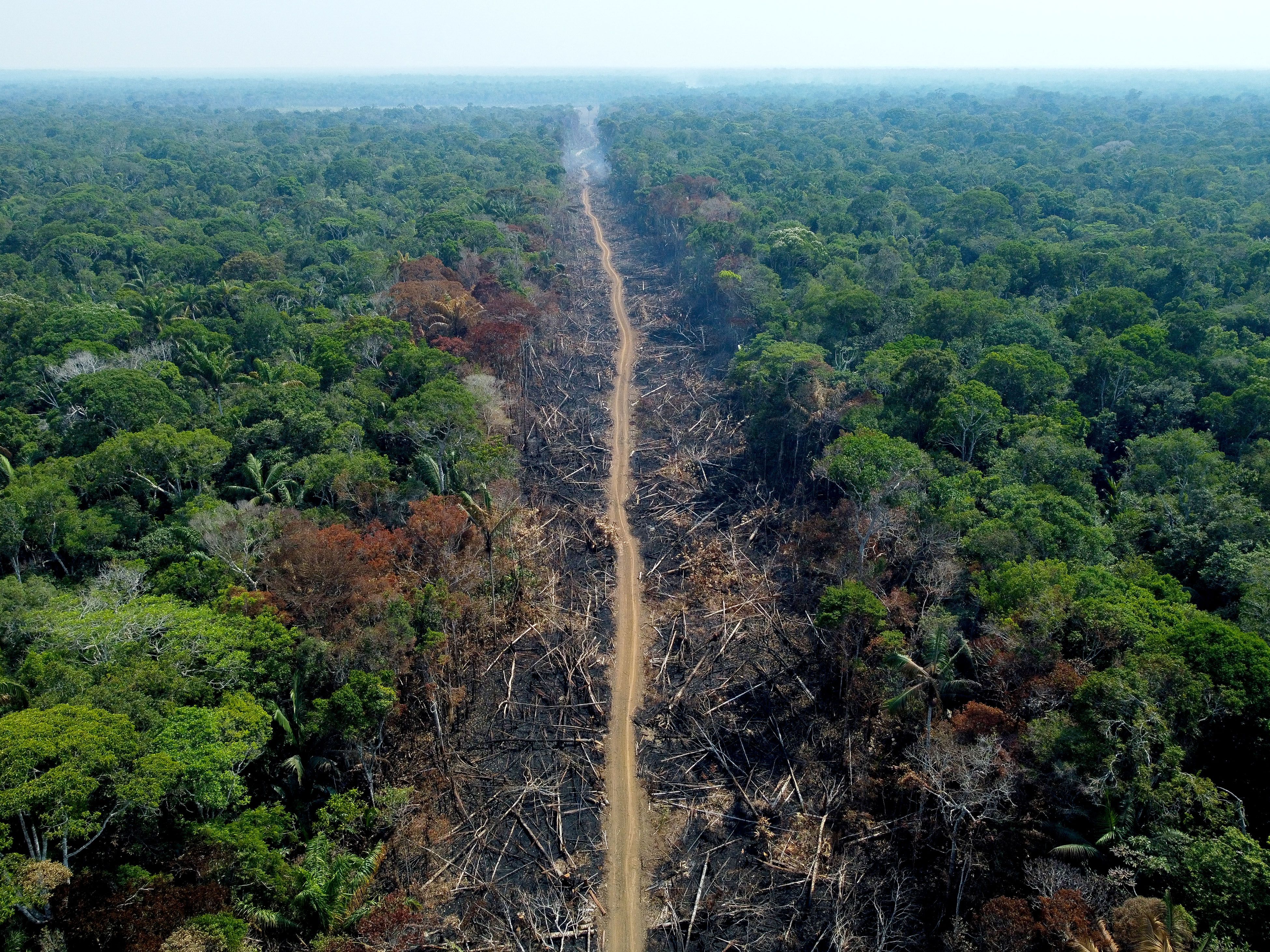
For the environmentalist, the Trans-Amazonian Highway continues to generate impacts to this day. “Paving acts as a driver of deforestation and environmental degradation. Scientific studies show that deforestation in the Amazon is concentrated along highways, which function as a ‘red carpet’ for destruction. Areas surrounding BR-230 have seen rising illegal logging, land grabbing, deforestation, forest fires and illegal mining. In addition, the highway cuts through Indigenous territories and traditional communities, generating direct and irreversible impacts. The Ministério Público Federal [Brazil’s Federal Public Prosecutor’s Office] has repeatedly called for measures to repair damage caused to Indigenous lands, particularly in the state of Pará,” Viana explained.
The highway begins in the state of Paraíba and ends in Amazonas
The Trans-Amazonian Highway begins on Brazil’s northeastern coast, more specifically in the municipality of Cabedelo, in the metropolitan region of João Pessoa, in the state of Paraíba, and ends in Lábrea, in Amazonas. A significant portion of BR-230 is paved, but this is largely concentrated in the Northeast, while long stretches in the state of Pará remain unpaved.
Elinaldo Oliveira, president of the Truck Drivers’ Association of the State of Pará, regularly travels along various stretches of the Trans-Amazonian Highway. For him, the lack of pavement creates a range of difficulties.
“The reality is still very challenging. A clear example is the stretch between Medicilândia and Rurópolis, which lacks adequate infrastructure and is largely an unpaved road. During the Amazonian rainy season, with intense rainfall, some sections become nearly impassable. In the dry season, excessive dust is also a major problem,” he said.
“This creates a range of problems, including higher diesel consumption, delivery delays and financial losses. I have witnessed and personally experienced situations in which tractors were needed to pull trucks out of the mud. In many cases, perishable goods such as fruit are lost. There is also constant mechanical damage, including to tires and other components, due to road conditions. A critical point is the so-called ‘Ladeira da Velha,’ in Pacajá, which becomes extremely slippery during the rainy season, leading to accidents some of them serious due to the lack of proper paving, signage and lighting,” the truck driver said.
Completion prospects
Truck driver Elinaldo Oliveira hopes there will be serious investment in infrastructure to address the problem. “These stretches need quality paving, regular maintenance and better driving conditions. This is not just a concern for truck drivers, but for the entire population of the region, which depends on these roads to transport goods, travel and access basic services,” he said.
According to environmentalist Virgílio Viana, completing the paving of the Trans-Amazonian Highway could generate new socio-environmental impacts. “It needs to be preceded by robust measures, such as increased monitoring and enforcement of environmental crimes, the expansion of sustainable development policies for local populations, and the effective implementation of environmental conditions set out in impact assessments,” he argued.
ZONING
For historian César Martins de Souza, the Trans-Amazonian Highway has come to be seen as a negative legacy of Brazil’s military dictatorship. “For that reason, whenever there was talk of continuing the project, criticism would emerge across the country, with claims that so-called ‘grandiose’ projects were returning to the region. As a result, initiatives stalled, and politicians were reluctant to associate their names with it. I lived in Altamira between 2002 and 2018 and attended numerous meetings in which local leaders said they would push for paving the Trans-Amazonian. But there is a significant gap between rhetoric and reality.”
According to the UFPA professor, it is clear that people face significant difficulties due to the condition of the highway. “The paving needs to be discussed carefully, so as not to worsen existing problems. I am not saying that investments should not be made, but ecological-economic zoning must be carried out to prevent further environmental degradation, as well as renewed harm to traditional communities that have already been severely affected,” he said.
Brazil’s National Department of Transport Infrastructure (DNIT) was contacted about the existence of plans to complete the paving of BR-230 but had not answered by the time of this publication.
INSTITUTIONAL PARTNERSHIP
The production of Liberal Amazon is one of the initiatives of the Technical Cooperation Agreement between the Liberal Group and the Federal University of Pará. The articles involving research from UFPA are revised by professionals from the academy. The translation of the content is also provided by the agreement, through the research project ET-Multi: Translation Studies: multifaces and multisemiotics.