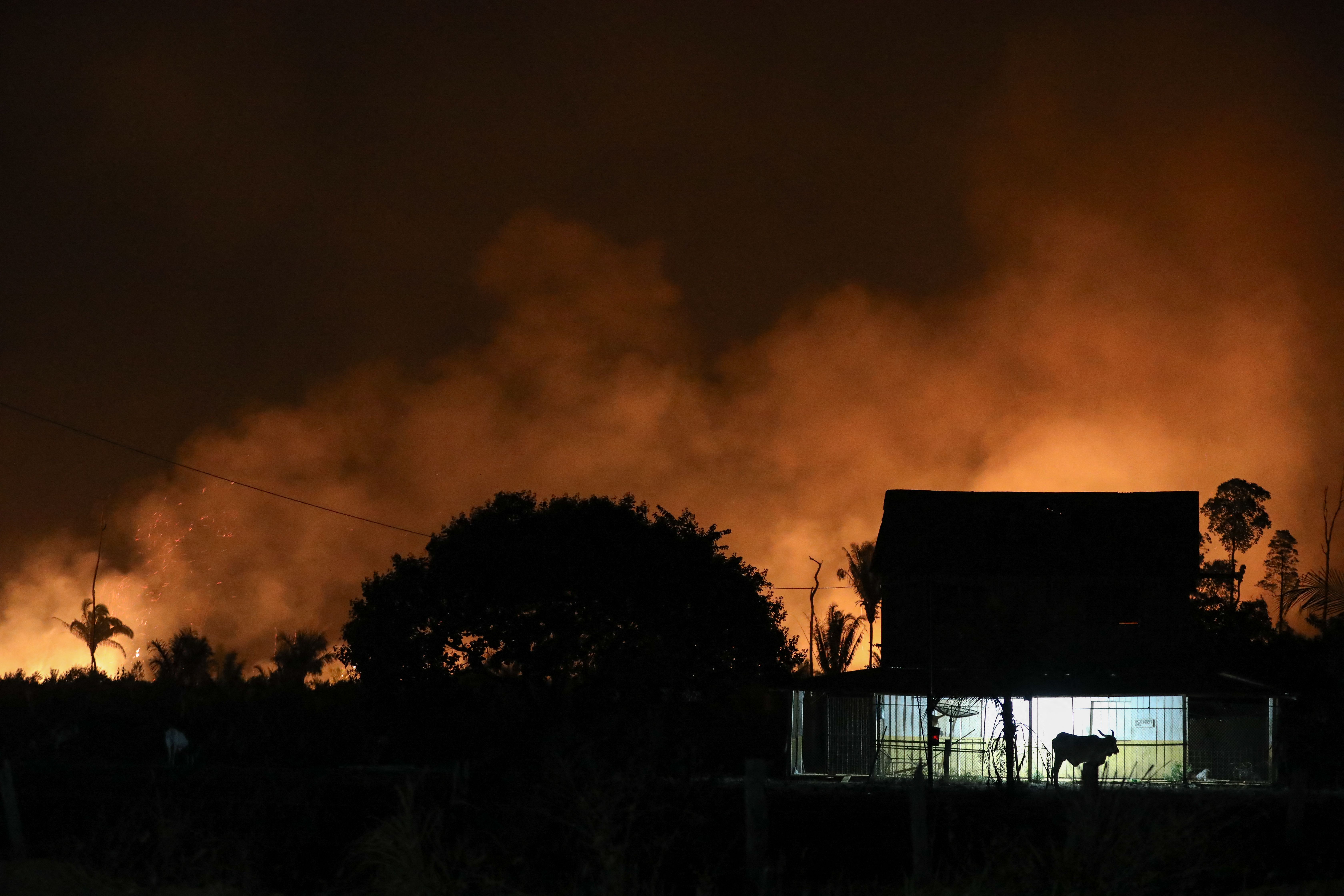
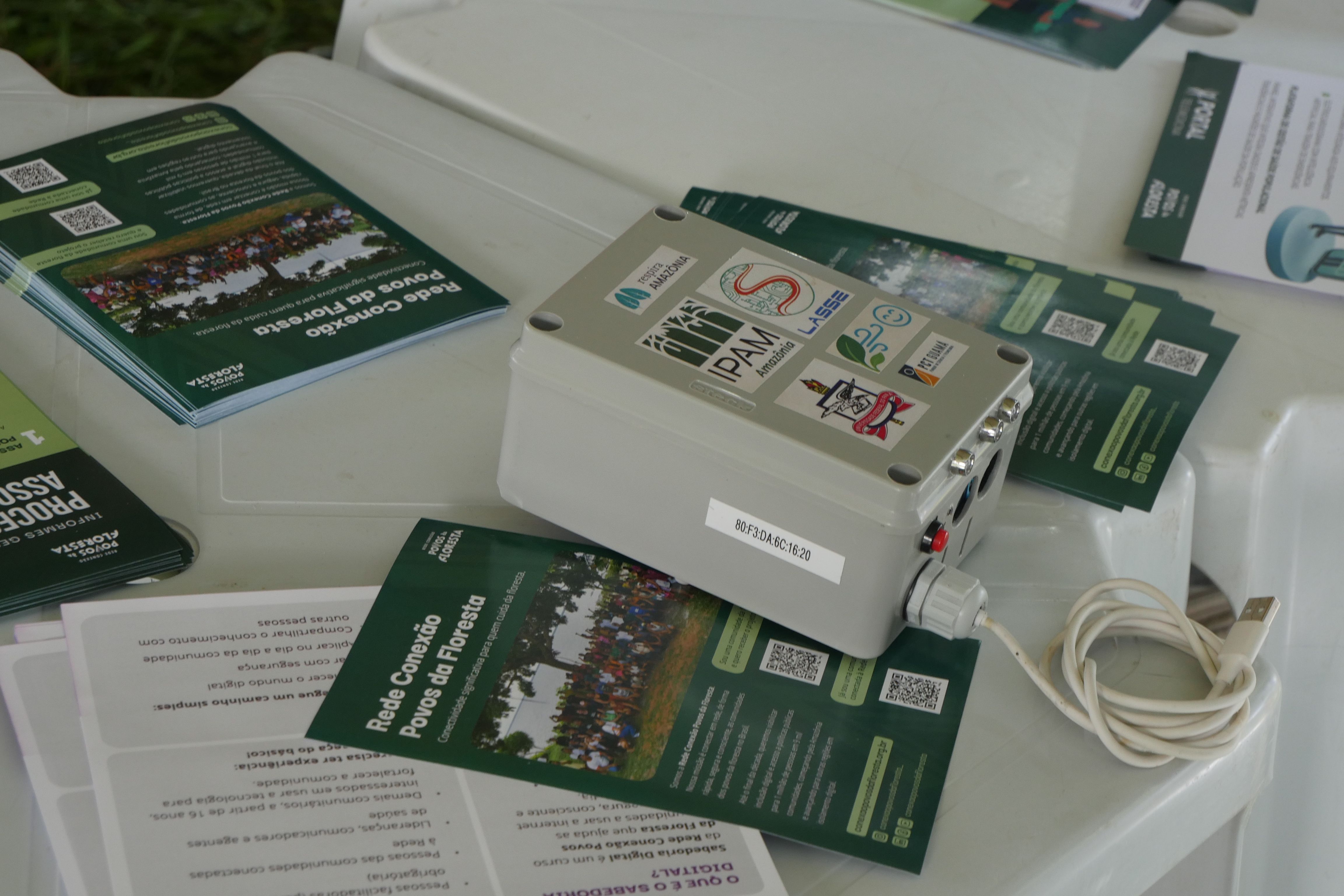
According to a study conducted by the Amazon Environmental Research Institute (IPAM), the Amazon was covered by toxic smoke for 138 days in 2024. In response to this reality, researchers from the institute, in partnership with professors from the Center for Research and Development in Telecommunications, Automation and Electronics (LASSE) at the Federal University of Pará (UFPA), developed a low-cost, nationally produced sensor to expand air quality monitoring in the region.
The new device was officially launched in early April during the Terra Livre Camping in Brasília, a major indigenous mobilization held as part of “Indigenous April”, a month dedicated to celebrating indigenous peoples. The project aims to monitor air quality in forests, especially within traditional communities.
Low cost
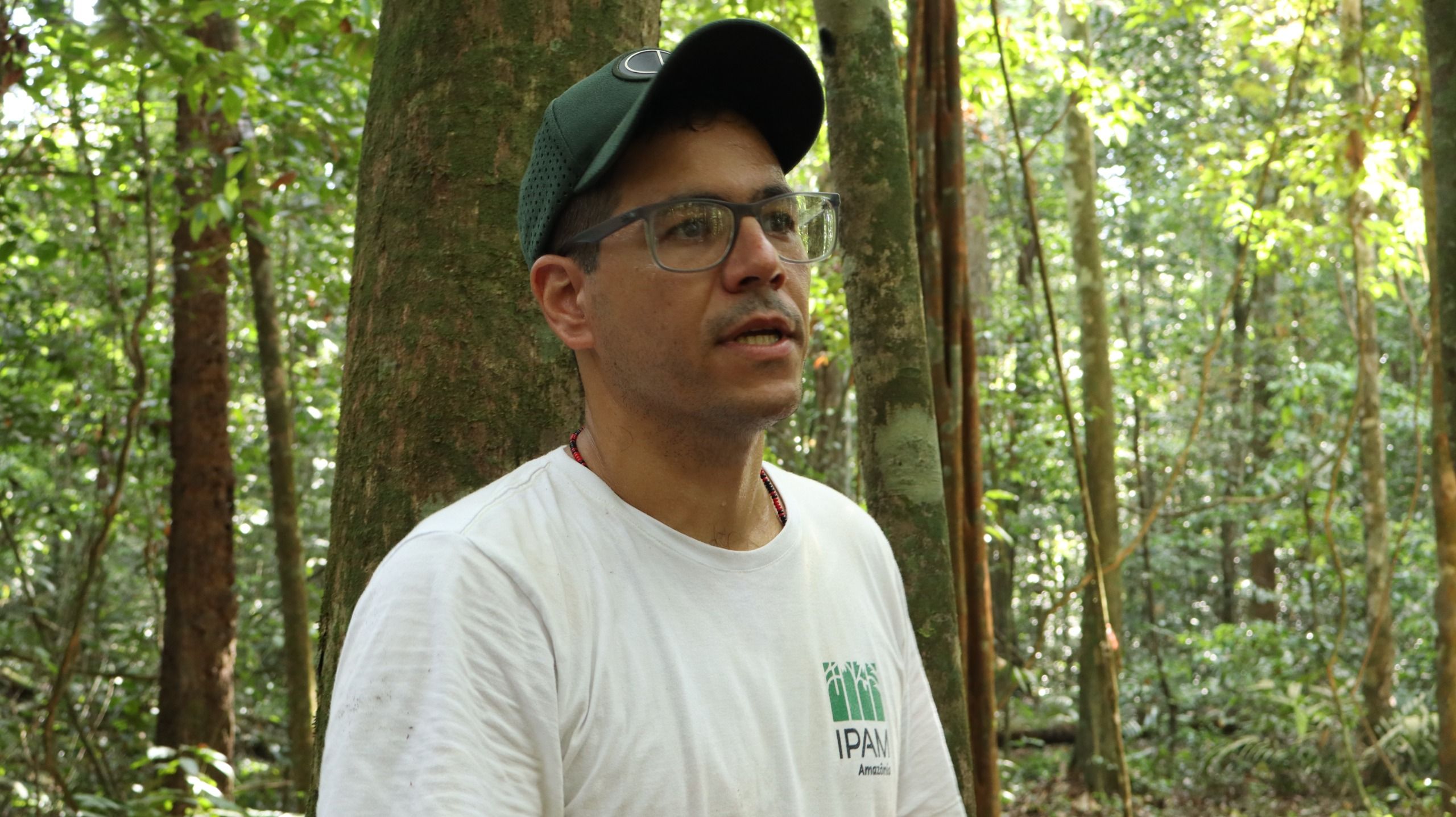
Biologist Filipe Arruda, one of the researchers involved in developing the new sensor, says that IPAM had already been working with another type of equipment, but it was imported. “It all started in Acre. The Public Prosecutor’s Office there recognized the need to monitor air quality and created a network with at least one sensor in each municipality in the state. From there, the idea spread to other states, and IPAM ended up acquiring 60 sensors of the same brand, called PurpleAir”, the specialist explains.
But over time, the researchers realized that the foreign sensor did not meet all the needs of the Amazonian context. That was when they decided to develop a national sensor – produced in the Amazon, low-cost and tailored to the region’s reality. “We discussed it and decided to develop a national sensor. Because it is open, PurpleAir becomes a perfect shelter for ants, bees, spiders, and other insects, which can compromise its performance. Ours, on the other hand, is fully enclosed, with the [measurement] readers protected. And it is important that this be a national technology, because importing foreign sensors is costly and bureaucratic”, Arruda says.
RedeAr
In addition to developing and installing the sensors, the initiative aims to create an air monitoring network accessible to anyone, called RedeAr. “When we first acquired PurpleAir, its data was open, but now you can only download your own data, not that of others. There are also other sensors with closed data. This often makes research and quick response unfeasible. We want to integrate data from different sensors, making this type of monitoring more widely accessible”, Arruda explains.
IPAM already has a network of partners involved in the initiative, brought together under the Respira Amazônia Coalition. “We are rebuilding this air quality monitoring network. We will replace the imported sensors, which have a lifespan of about two years, with our national ones. We already have the first batch of 36 sensors, and the next step, together with the Conexão Povos da Floresta network [a project that connects communities in the Amazon’s interior through high-speed internet], is to begin installing sensors in traditional communities. There will be at least 30 in indigenous lands, 30 in quilombola territories, and 30 in extractivist communities. After that, we will seek partnerships to expand this monitoring, regardless of land tenure category, across the entire Legal Amazon”, he adds.
Air quality in the Amazon
The Ipam study mentioned at the beginning of this essay monitored air pollution in the Amazon in 2024 and 2025, specially focusing on particulate matter known as PM 2.5, which is associated with fire dynamics and meteorological conditions. In the first year, which saw a severe drought and a consequent increase in fire outbreaks, air quality was worse, especially in the Arc of Deforestation – Acre, Rondônia, southern Amazonas and northern Mato Grosso. Particulate matter levels exceeded the threshold set by the World Health Organization (OMS) for nearly 40% of the year. In 2025, however, a reduction in the phenomenon was observed, along with a shift in the worst levels further east in the region, particularly in Pará and Maranhão.
The study’s recommendations focused on three main pillars: expanding air quality monitoring; strengthening efforts to combat wildfires; and preparing the public health system to deal with the health risks associated with smoke.
Air pollution is the second leading cause of death worldwide
According to a report by the United Nations Organization (UNO), air pollution has become the second leading cause of death worldwide, second only to hypertension. Data from the report indicate that, in 2021, 2.1 million people died due to poor air quality, in addition to those living with chronic diseases caused by the same factor.
The report also states that this type of pollution accounts for 30% of respiratory and cardiovascular diseases and 48% of deaths from chronic obstructive pulmonary disease. In addition, the health effects on children under the age of five are particularly severe, including premature birth, low birth weight, asthma, and lung diseases.
“PM 2.5 is particulate matter so fine that it measures 0,002 milimeters. It enters the respiratory tract, reaches the lungs, and cause respiratory problems. It can then enter the bloodstream and also lead to cardiovascular diseases. But if we do not have access to air quality data, we cannot correlate them with health data” Filipe Arruda says.
For this reason, part of the new sensor project also involves linking air quality data to the number of medical visits related to respiratory diseases. “We are seeking partnerships with Datasus, Fiocruz [Oswaldo Cruz Foundation], the University of São Paulo (USP), and the Conexão Povos da Floresta network, which provides telemedicine consultations. We want to understand how air quality has impacted the health of traditional communities and placed a burden in the healthcare system”, the biologist says.
In Coari, indigenous villages were affected
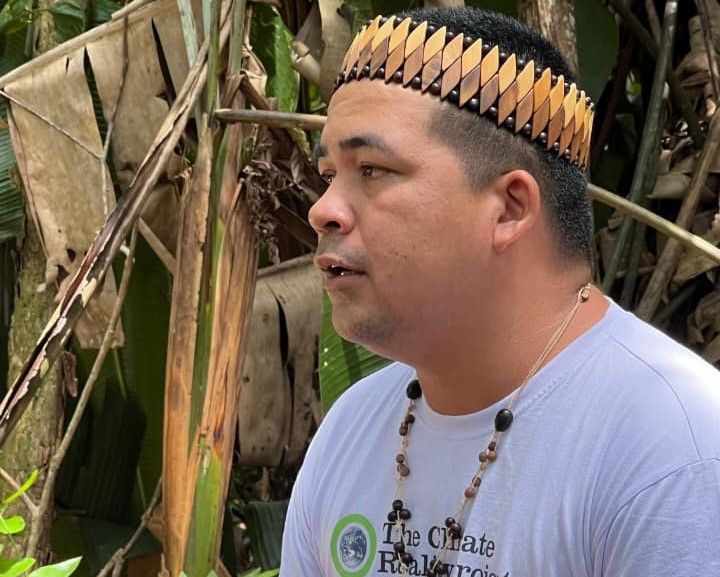
Edson Kambeba, from the Ômagua Kambeba people in the municipality of Coari, in the state of Amazonas, has witnessed the damage caused by poor air quality to his community. “In recent years, specially during the droughts of 2023 and 2024, our community and several indigenous villages in the municipality of Coari were severely affected. The drought was very intense, and wildfires increased in the region, which greatly worsened air quality. As a result, we noticed a rise in illness among population, particularly diseases such as flu, cough, shortness of breath, and eye irritation, with children and the elderly being the most effected. We also observed a worsening of pre-existing conditions”, says the climate activist and advocate for indigenous rights.
Kambeba, who is familiar with the new sensor project, believes the equipment can help address the problem. “This type of technology is very important because it allows real-time monitoring of air quality, showing the impacts of wildfires and smoke on the health of communities. It strengthens advocacy, prevention, and the development of more effective public policies”, he says.
IN THE TERRITORY
However, the indigenous leader adds a caveat. “It is essential that these sensors be installed directly in indigenous villages and, above all, that they be managed by us, indigenous peoples. We are the ones who live in the territory, feel the impacts, and understand the day-to-day reality. When monitoring is carried out with indigenous participation, it becomes fairer, more accurate, and better aligned with the needs of the communities. This strengthens our autonomy and our leading role in defending our territory and our health”, he emphasizes.
INSTITUTIONAL PARTNERSHIP
The production of Liberal Amazon is one of the initiatives of the Technical Cooperation Agreement between the Liberal Group and the Federal University of Pará. The articles involving research from UFPA are revised by professionals from the academy. The translation of the content is also provided by the agreement, through the research project ET-Multi: Translation Studies: multifaces and multisemiotics.