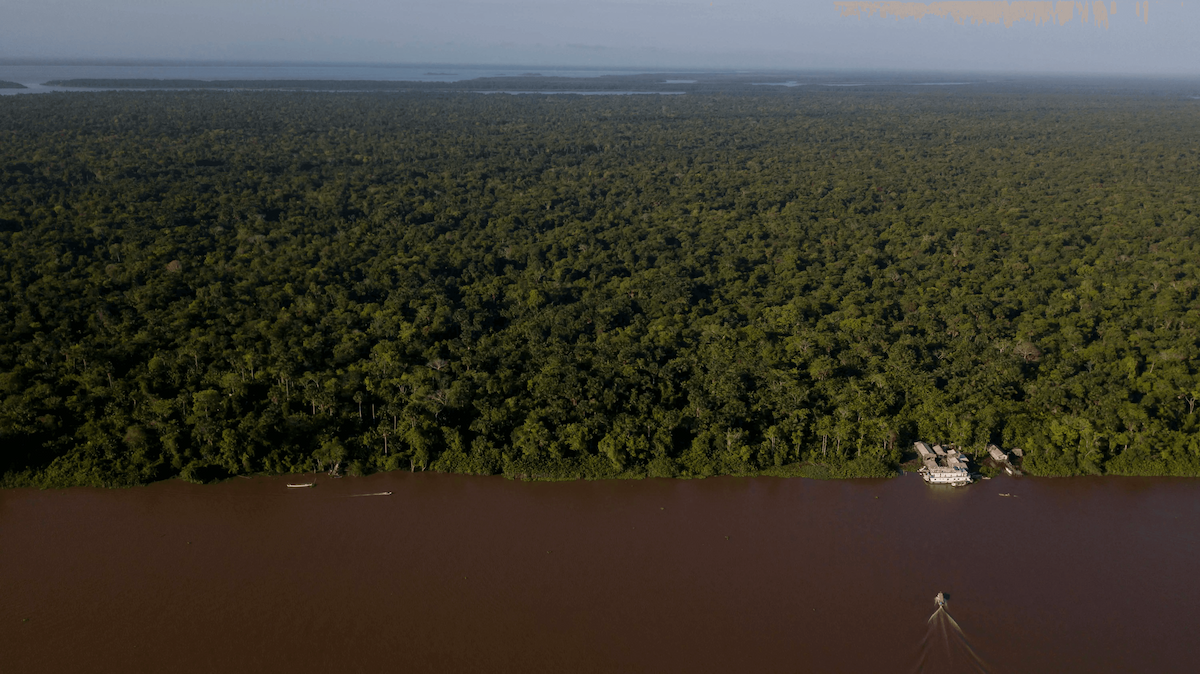
More than 77,000 seedlings planted in the Amazon over a 15-year period. This is one of the results of the Carbon Neutral Program (PCN), an initiative of the Institute for the Conservation and Development of the Amazon (Idesam), a Manaus-based organization that works with sustainable practices alongside traditional communities in the state of Amazonas.
The Program aims to neutralize greenhouse gases emitted into the atmosphere through the planting of trees, which capture carbon. The seedlings are planted in degraded areas and in agroforestry systems (SAFs), which combine several different plant species, including crops that can generate income for the community, such as fruit trees.
Throughout its existence, the PCN has already benefited the Uatumã Sustainable Development Reserve (RDS), located in the municipalities of São Sebastião do Uatumã and Itapiranga; the Tupé RDS, in Manaus, on the left bank of the Rio Negro; the Tarumã-Mirim Settlement Project, also in Manaus; and a region in the municipality of Apuí.
RESULTS
Kate Anne Souza, manager of the Carbon Neutral Program, details what the program has achieved in its fifteen years of existence. "With the 77,000 seedlings, 101 hectares of forest were restored, involving 111 families from local communities. The estimate is that these trees have offset around 23,000 tons of CO2 [carbon dioxide, the main greenhouse gas]," she highlights.
In this process, 129 agroforestry systems and three plant nurseries for seedling production were created in the communities of Santa Luzia do Caranatuba, Nossa Senhora do Perpétuo Socorro do Maracarana, and Nossa Senhora do Livramento, all within the Uatumã RDS. The numbers presented by Idesam refer only to what was implemented in this Reserve between 2010 and 2025.
Kate Anne emphasizes that, beyond neutralizing greenhouse gases, the initiative contributes to local communities. "The families of the RDS are the protagonists of this entire process. They participate in the production of seedlings, planting, and caring for the agroforestry systems. And most importantly, these systems also generate food and income, creating new economic opportunities," she points out. Not only are community members paid to perform these services, but they can also make use of what is grown, such as regional fruits like açaí and cocoa.
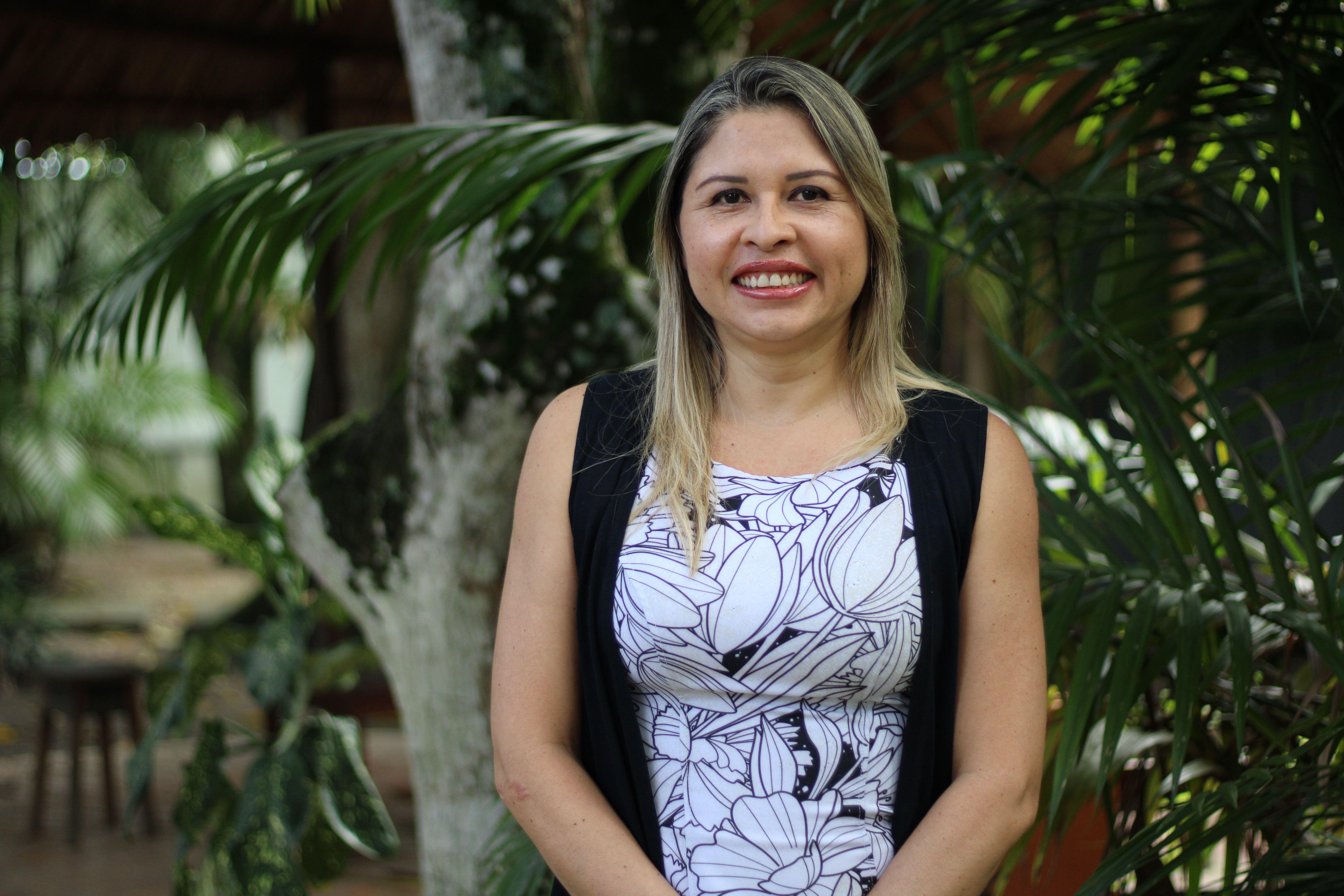
According to the manager, the numbers indicate that carbon offsetting can generate concrete impacts when combined with productive restoration and community participation. "These results show that tackling climate change also means investing in people, strengthening local economies, and building solutions from the Amazon," she states.
Initiative offers three partnership models
The Carbon Neutral Program connects individuals, companies, and organizations that want to offset their emissions through forest restoration in the Amazon. The funds raised from individuals and companies support seedling production and tree planting. The initiative offers three partnership models.
"For legal entities, a carbon dioxide emissions inventory is conducted, which calculates the company's carbon footprint and determines the necessary offset," explains Kate Anne. The inventory maps the emission sources of specific processes, activities, or events of companies or organizations, quantifying these emissions. This determines the number of trees needed to neutralize those emissions.
The second model is for individuals who want to offset their emissions. "In this case, we have a CO2 calculator on the Idesam website, which estimates individual emissions and allows them to be offset," points out the PCN manager. In both aforementioned models, the Program issues a carbon neutral seal and certificate.
The third model consists of voluntary contributions, which can be made by both individuals and legal entities, directly supporting forest restoration independent of inventories and offsets. Currently, the PCN has 320 partnerships, with 55 in the Voluntary Planting model and 265 in the Offsetting model.
Monitoring provides transparency to the process
In addition to planting, Idesam conducts continuous tree monitoring, ensuring the transparency of the process through periodic reports sent to partners and supporters. On the interactive Planting Map (Mapa de Plantio) dashboard, available on the Institute's website, it is possible to see the restored areas, photographic records of the actions, statistics,georeferenced locations of what has been planted, and information about the partner families.
"The work does not end with planting. Idesam monitors the areas and the development of the trees over time. This monitoring makes it possible to verify vegetation growth and estimate the carbon being removed from the atmosphere and stored by the trees," she emphasizes.
Every two years, a forest inventory is conducted, measuring all trees located within the demarcated boundary for restoration. This allows for determining the diameter and height of each tree and calculating the carbon neutralization potential.
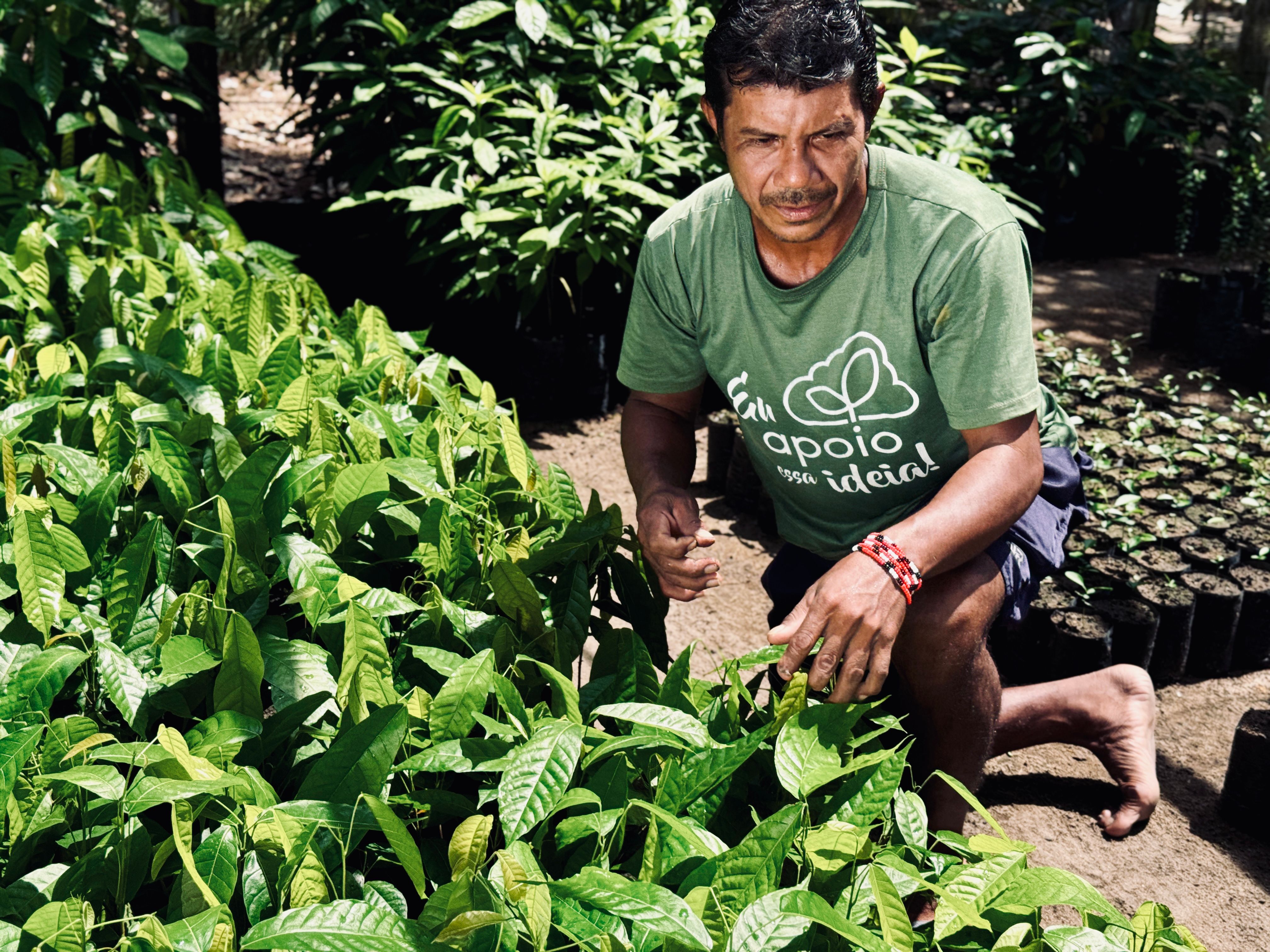
The inventory also shows the composition of the SAFs and how they can bring income to families and diversity to the system. Monitoring indicates that the main species already planted are açaí, cocoa, andiroba, ingá, cupuaçu, soursop, and tonka bean.
Communities combine conservation and income generation
According to the results of the program's 15 years, most of the resources circulate directly within the communities. In 2025, for example, 59% of the budget was allocated to purchasing seedlings produced in community nurseries, hiring implementation services carried out by the communities, and renting boats for activities conducted in the Reserve. The initiative also trains families in agroforestry practices, ensuring the long-term continuity of the activities.
Orimar Teixeira, from the Nossa Senhora do Livramento community in the Uatumã RDS, is responsible for the local nursery. He states that the PCN is a project that brings income and strengthens the forest. "For us, it's taking care of our nature and our environment, but it's also something that helps the communities financially. All of this leaves a legacy that we must preserve so we don't run out," he affirms.
Alice Pimentel, president of the Agrovila community in the Tupé RDS, says that participation in the PCN began this year and has already generated income for families. "We managed to gather nineteen people from the community, who were paid to do the planting in the degraded areas. In addition, they collect seeds in the forest, such as copaiba, andiroba, and tonka bean, to produce the seedlings. We built a nursery right in Agrovila and sell the seedlings to Idesam," she reports.
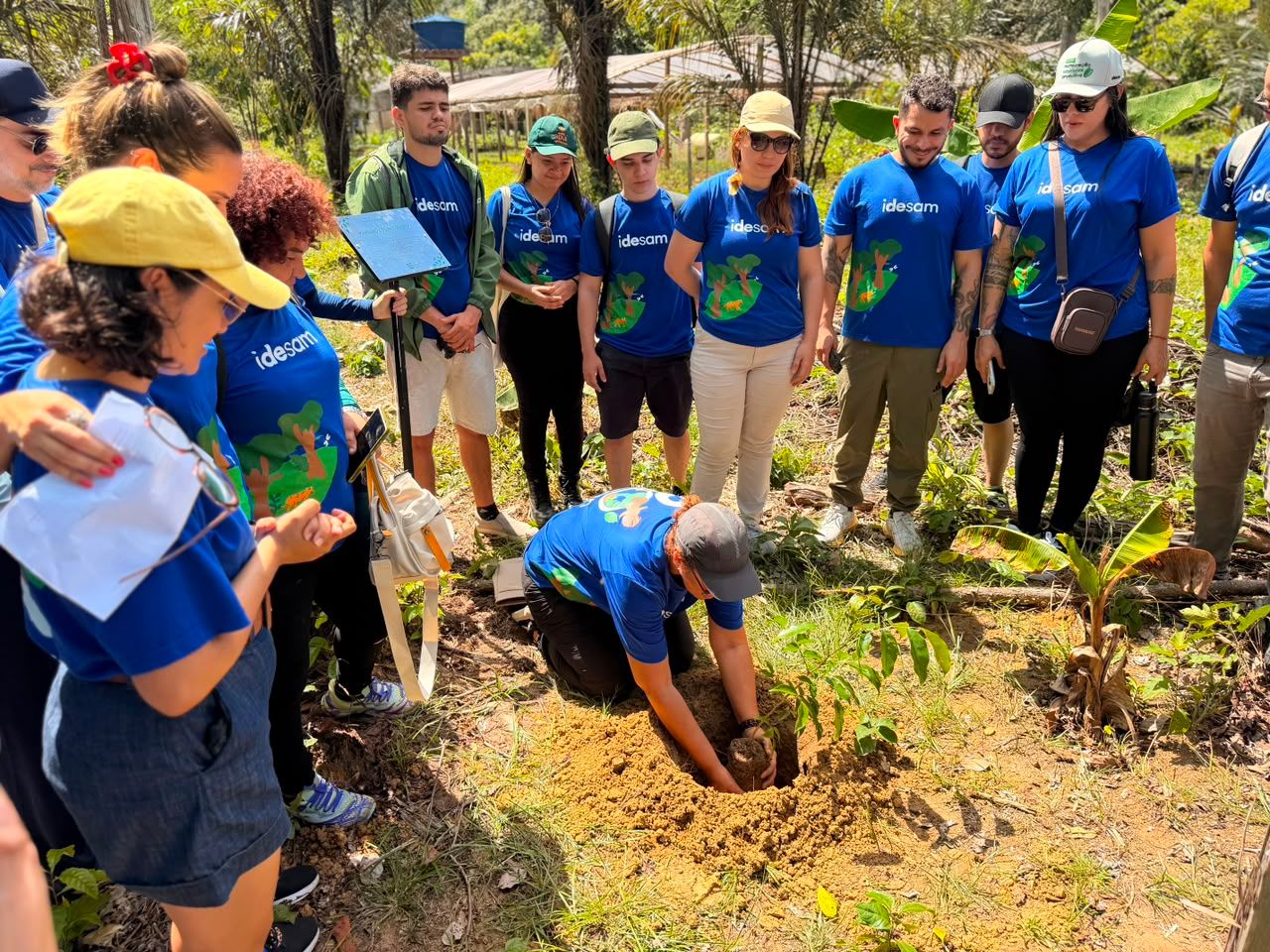
"The result was inexplicable. Everything became new, with new plants, including several edible ones. Life returned to where there was none. And it was a very good thing, because it feels good to be with nature, seeing everything coming back to life. Now we are waiting for the time to harvest those fruits. I believe that in about two years, it will already be producing soursop, ingá, and cocoa," she celebrates.
For Kate Anne, neutralizing emissions is fundamental to tackling climate change, but it is necessary to go further. "The Carbon Neutral Program transforms offsetting into investment in the forest and in people, generating income, recovering degraded areas, and strengthening an economy that values the standing forest."
INSTITUTIONAL PARTNERSHIP
The production of Liberal Amazon is one of the initiatives of the Technical Cooperation Agreement between the Liberal Group and the Federal University of Pará. The articles involving research from UFPA are revised by professionals from the academy. The translation of the content is also provided by the agreement, through the research project ET-Multi: Translation Studies: multifaces and multisemiotics.