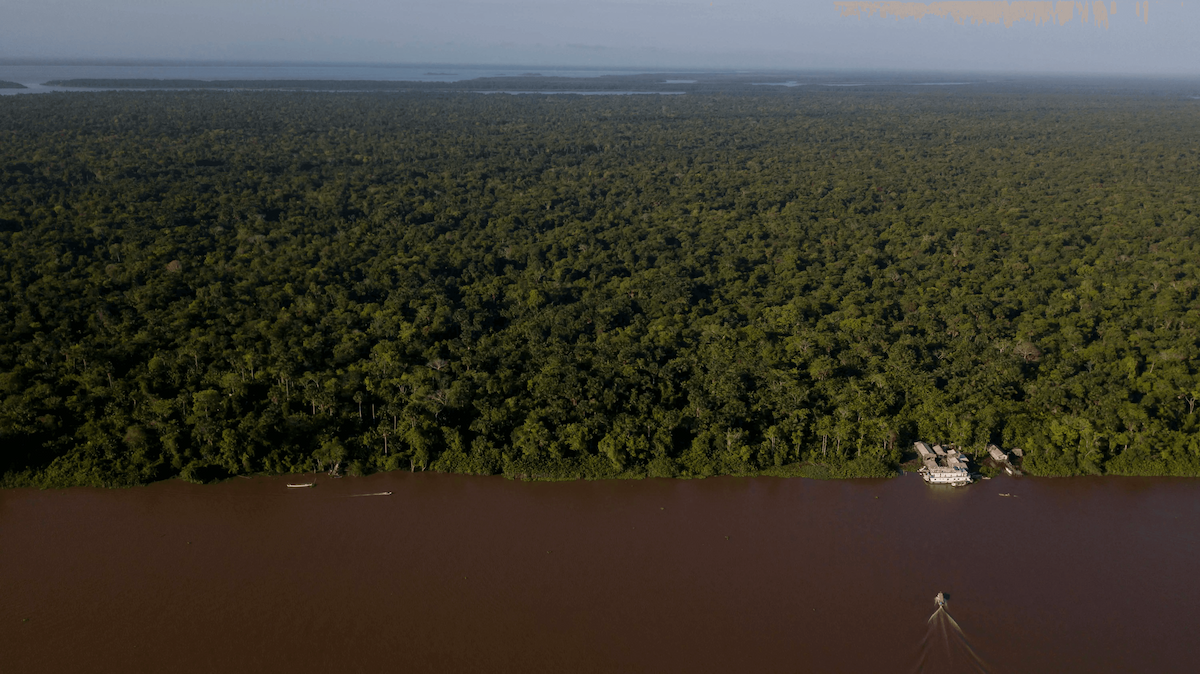
Pollution of Amazonian rivers is a dangerous reality due to the risks it poses to biodiversity and human health and it is also costly and difficult to address. It ranges from physical pollution, with all kinds of waste dumped into water bodies; and biological pollution, originating, for example, from sewage discharge; to chemical pollution, resulting from waste produced by various industries and activities, including highly toxic mercury used in clandestine artisanal gold mining.
Chemical and biological pollution cleanup methods tend to be complex and expensive, especially when heavy metals from mining are involved. The Amazon is a major area of expansion for this activity, whether illegal, through artisanal mining, or legal, through the industrial extraction of iron, copper, tin, manganese, and many other minerals. According to a survey conducted by MapBiomas in 2020, three out of every four hectares mined in Brazil were located in the Amazon, including both industrial mining and artisanal mining, accounting for 72,5% of the country’s total mined area.
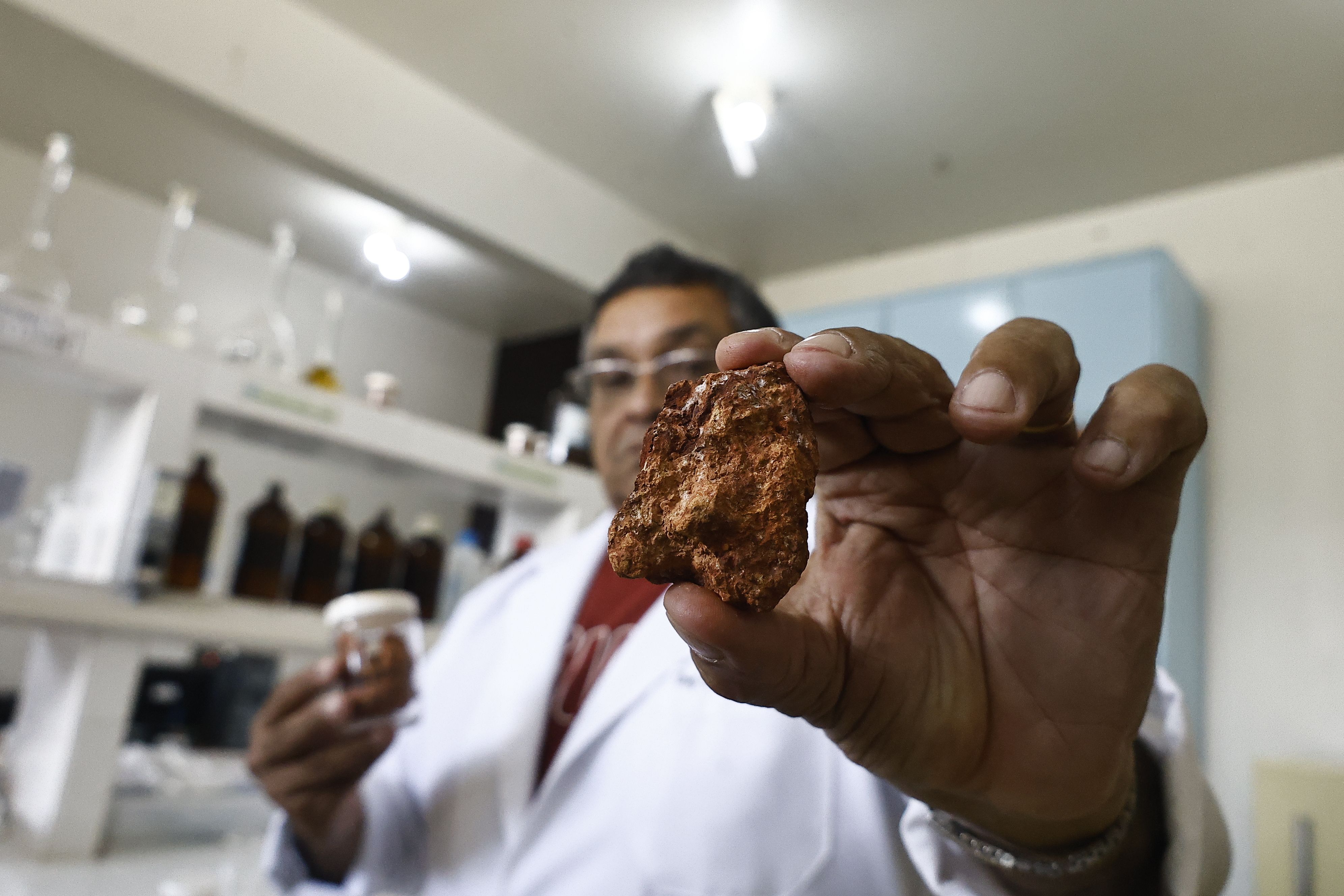
But good news emerges from research conducted by the Federal University of Pará (UFPA), which turned a major environmental problem into a solution. The study, led by professor and industrial chemist Dorsan Moraes, discovered how to transform mining waste into materials with the potential to clean up rivers.
The research team was able to develop two substances using vermiculite mineral residues and manganese mining tailings. From these materials, two compounds with pollution-removal potential were created: sodium-activated vermiculite and a shigaite-like LDH phase.
EXPERIMENTS
After creating the materials, the researchers conducted several tests simulating real scenarios in Amazonian rivers and identified their water-cleanup potential. Sodium-activated vermiculite was able to remove 99% of methylene blue from the water, a chemical compound used as a dye and in the pharmaceutical industry. In rivers, this compound alters water color, hinders light penetration, and reduces the oxigen available to animals and plants that live there. The shigaite-like LDH phase, produced from manganese tailings, was able to remove 97% of chromium and 100% of manganese from water. Both metals are toxic to human health and environment at high concentrations.
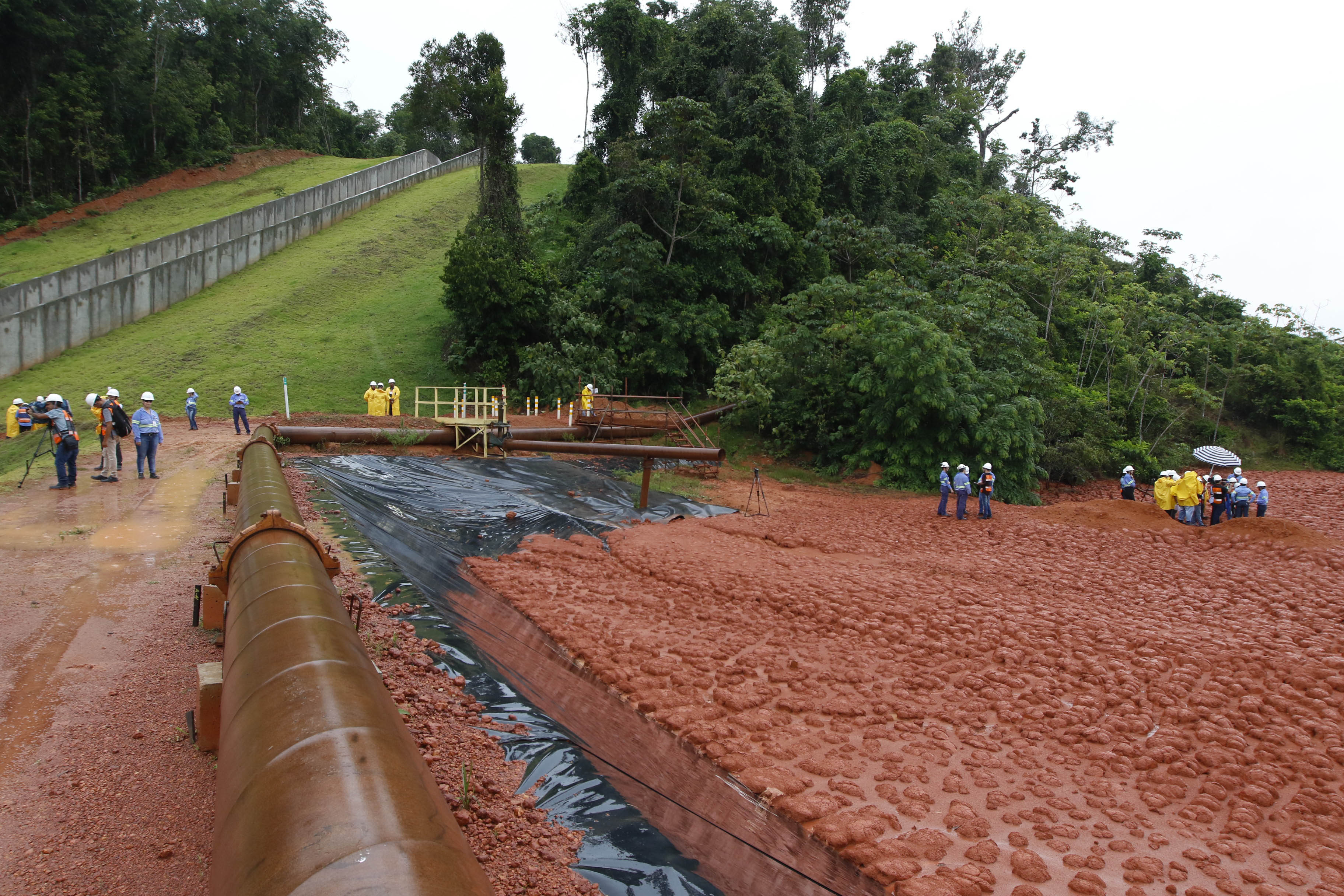
Raw materials used in the research - that is, the residues - were obtained from mining tailings dams in the estate or from chemical product packaging, in the case of vermiculite, which is not common in the region. “In the case of manganese, we work directly at the dams, collecting samples and bringing them to our laboratories to carry out the necessary structural modifications so that they can be used for other purposes”, explains the professor.
Industrial chemist and UFPA professor from Ananindeua Bruno Figueira was another researcher involved in the project. His role was to assist in the characterization and transformation of manganese waste so that it could be converted into a synthetic clay with high adsorption capacity. ”Adsorption” is the ability of a material to bind molecules to its surface. In our experiment, this clay proved to be extremely effective at “capturing” and removing very common and harmful pollutants, such as heavy metals and pollutants from the textile industry”, explains Figueira.
From problem to solution
According to professor Dorsan Moraes, research into the reuse of mining waste for other purposes has been part of his work for about 20 years. “We seek to make use of what is no usable by industry, transforming it into something beneficial to society”, he says.
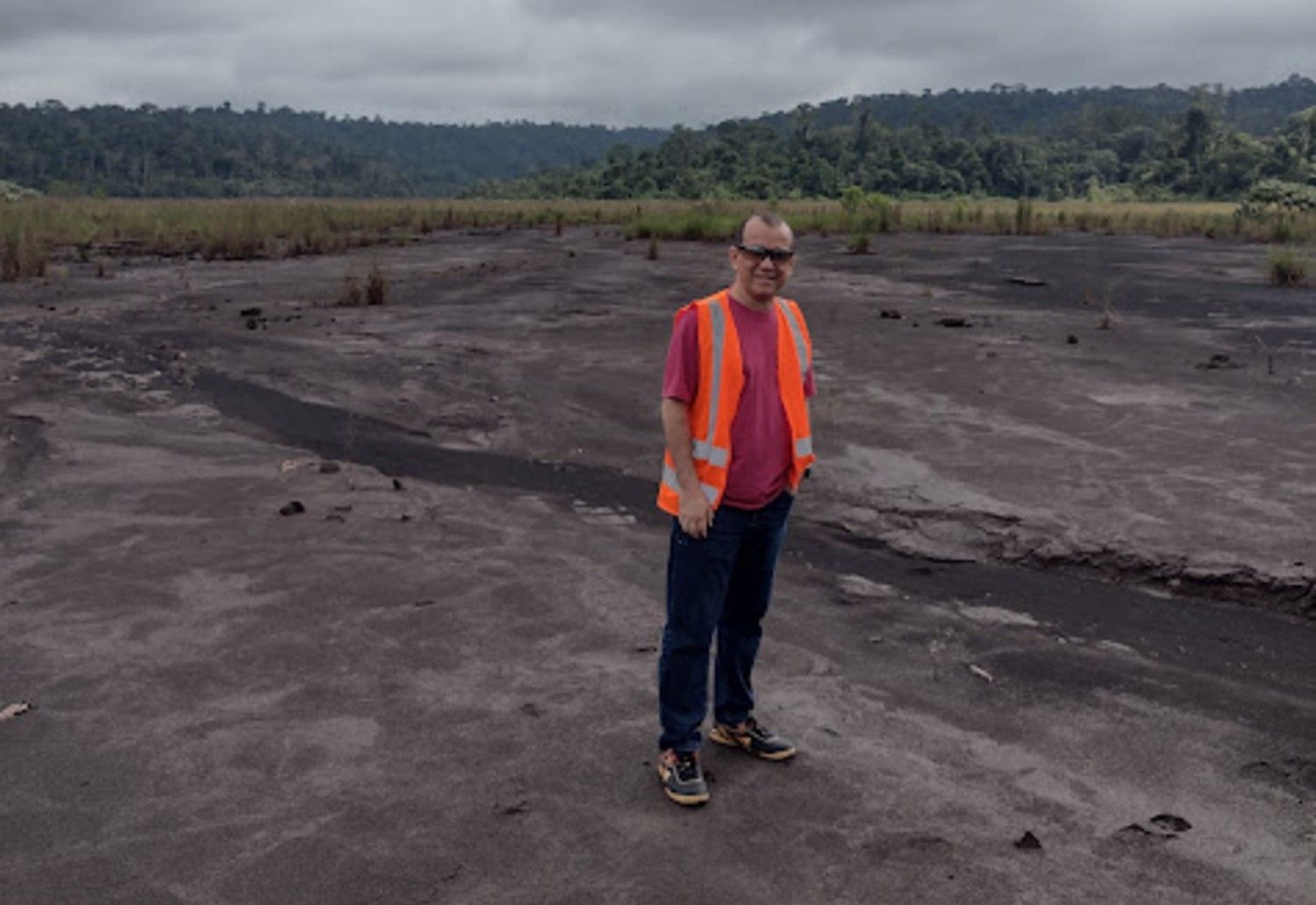
Bruno Figueira follows the same line of research. “I dedicate my work to a topic of great relevance to our region: transforming mining waste into new high-value products. This stems from a major challenge in the Amazon: how to deal with the waste generated by mining, a sector that is vital to our economy. Instead of seeing these by-products as trash, we view them as a new raw material. The goal of this specific research was to use science to transform manganese mining waste into a high-value product that benefits the environment”, he emphasizes.
Moraes points out that mining waste exists in abundance. “For those who are not familiar with a tailings dam, it is something colossal - very large, with an enormous amount of material. And since this material has no immediate use, it ends up being stored in vast quantities, which has already led to disasters such as in Brumadinho. We foresee many problems for Amazonian rivers because of this, due to the risk of these materials being released. That is why the idea arose to work with what has been harming our rivers - these residues - by turning them into something sustainable”, he says.
Advantages
Advantages are numerous. In addition to pollution remediation itself, using tailings reduces the volume stored in dams, lowering the risk of them reaching water bodies. Furthermore, because the material would otherwise be discarded, the method has a much lower cost than other techniques used, such as molecular sieves or commercial adsorbents.
“This is a much more practical and far cheaper initiative. There are other pollution-control methods, but they rely on industrial materials. Who would want to pay a high price for that? Since we are working with tailings, and these tailings are already natural, it is, in a way, sustainable. We are working with natural materials, reducing the production cost of these new chemicals”, Moraes argues.
“This is the beauty of science and circular economy: transforming what is now an environmental problem into part of the solution. For a long time, mining tailings were seen only as a liability, a material to be stored at cost and risk. Our research at UFPA shows that this view is outdated. These tailings are, in fact, a secondary mine, rich in valuable chemical elements”, Figueira adds.
At the source
The study, with promissing results verified in the laboratory, was only recently published, in the second half of 2025, and has not yet been applied in practice. However, Professor Moraes highlights how it could be used.
“The aim is to work directly at the dams, on what we call wastewater. It is water that, due to certain issues, ends up flowing into rivers. This would be the water to undergo the pollution-removal process. It is at this outlet that we want to intervene, preventing the problem in its source. Wherever the water flows out, treatment would already take place so that it does not leave highly polluted”, he says. According to the professor, what remains now is for companies to adopt the idea.
Plants that remove pollution
The Nova Doca Linear Park, in Belém, also features a sustainable technology to clean up the existing canal along the avenue. However, unlike the technique developed by UFPA, this one involves plants. They are known as filter gardens or wetlands.
Despite being a novelty in the capital of Pará, the method is not new. It was created by French landscape designer Thierry Jacquet and was used in the 2000s to clean up the Seine River, in the French capital. Today, it is already adopted around the globe and even in other Brazilian cities.
Filter gardens use the principle of phytoremediation - that is, the action of certain plants and the microorganisms associated with them to decontaminate and purify aquatic or terrestrial environments. According to Naira Carvalho, an architect with the Pará State Department of Public Works (Seop), the agency responsible for the Linear Park project, wetlands are sustainable Nature-Based Solutions (SBN) systems that use natural elements to retain impurities and treat discharged water by filtering pollutants.
“In wetlands, also known as phytoremediation islands or filter gardens, the vegetation planted in structures placed in the canal consists of phytoremediating species that absorb contaminants from the water through their roots. We have many species of macrophytes (large aquatic plants), such as canna indica, guaimbé and heliconia”, she explains.
THERMOMETER
According to Naira, filter gardens act as a thermometer of the condition of the water. “The plants speed up or slow down their development depending on the level in the pollutants in the water body. Simply put, when the vegetation begins to stagnate in its development, it means it is removing more pollutants than it is receiving. We know that the Nova Doca canal still receives a certain level of pollutants, such as soot, asphalt wear debris, and improper waste disposal. This wastewater enters untreated, and the vegetation gradually “absorbs” these pollutants, improving water quality over time”, explains the expert.
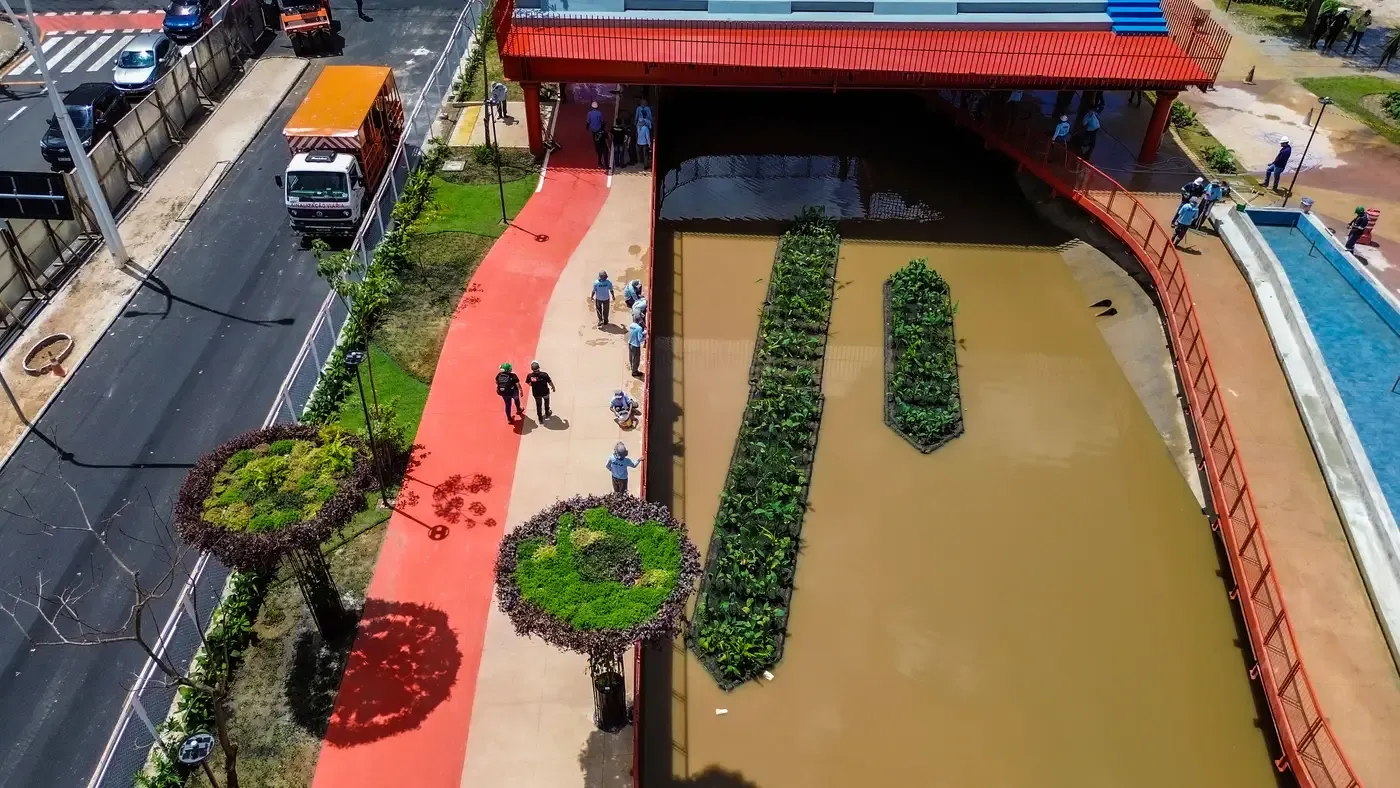
For the architect, wetlands are a sustainable methodology that prioritizes green strategies over concrete. “The use of wetlands increases the proportion of green areas, which helps reduce heat islands; filters water pollution; and also contributes to the recovery of biodiversity in urban canals. In this way, we reduce environmental impacts in an economical and effective way”, she says.
INSTITUTIONAL PARTNERSHIP
The production of Liberal Amazon is one of the initiatives of the Technical Cooperation Agreement between the Liberal Group and the Federal University of Pará. The articles involving research from UFPA are revised by professionals from the academy. The translation of the content is also provided by the agreement, through the research project ET-Multi: Translation Studies: multifaces and multisemiotics.