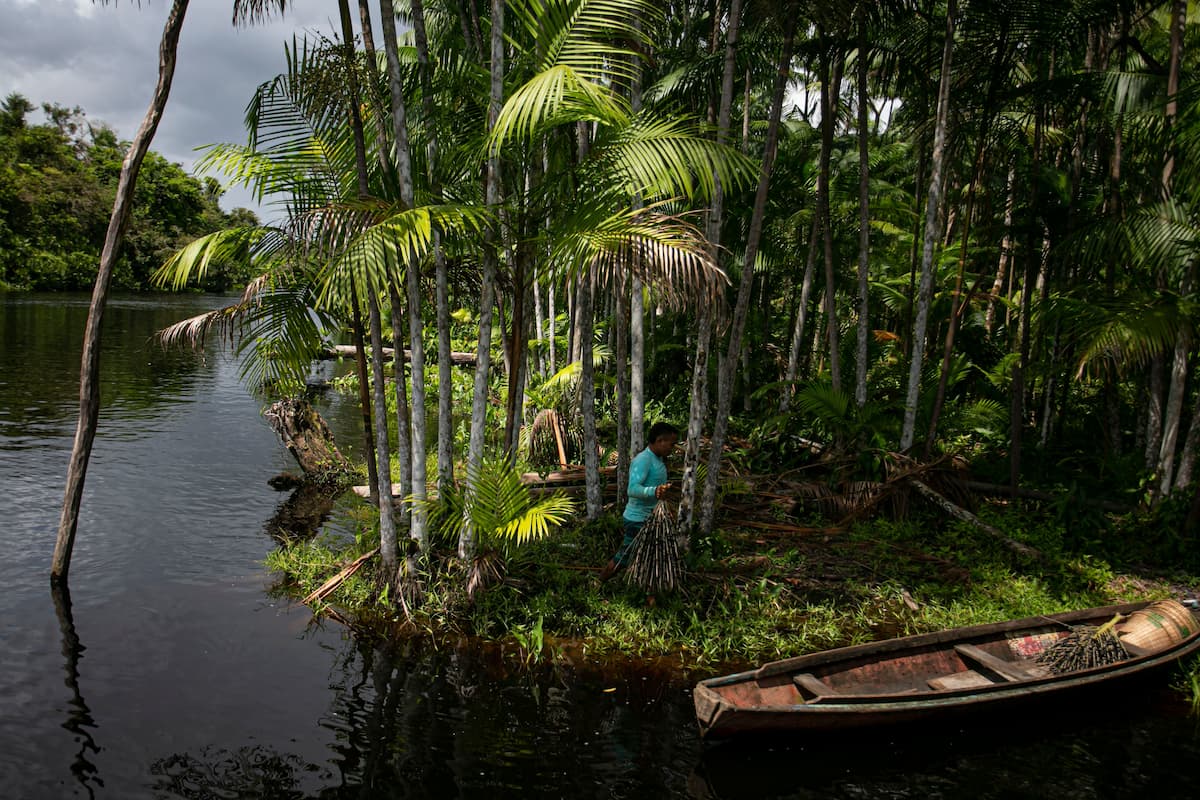
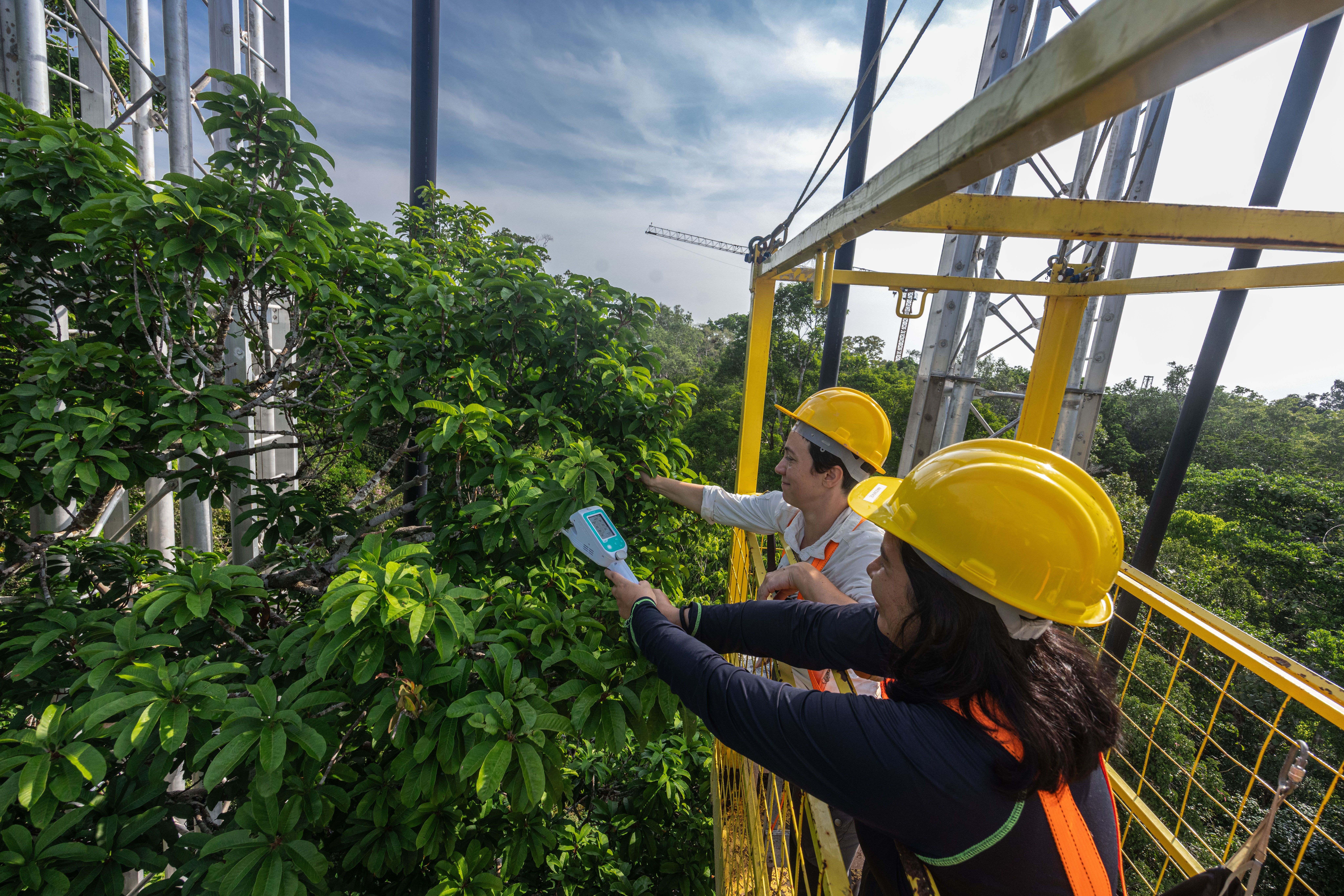
In the middle of the Amazon rainforest, about 80 kilometers north of Manaus, a structure made of metal towers, pipes, and high-precision equipment is preparing an experiment that might change our understanding of the future of the planet's largest tropical forest.
The AmazonFACE project will experimentally increase the concentration of carbon dioxide (CO2) in patches of preserved forest to observe how trees, soil, water, microorganisms, and biodiversity respond to an atmosphere similar to the one that may exist in the coming decades. The name "FACE" comes from the English expression "Free-Air CO2 Enrichment", a technology that allows the concentration of the gas to be elevated without isolating the forest in an enclosed structure.
The experiment features six large rings, each about 30 meters in diameter. In three of them, the CO2 concentration will be increased by approximately 50%. The other three will serve as control areas. The towers are about 35 meters high, and the tubes installed on them will release the gas inside the rings.
"We are going to expose small parts of the forest to an atmosphere enriched in carbon dioxide, in other words, with more carbon dioxide than what one usually finds in the atmosphere. In that case, it will be around 50% more," explains Dr. Davi Lapola, a researcher at Unicamp and scientific coordinator of AmazonFACE.
The structure operates in the open air. The CO2 is stored in tanks, passes through a system of valves and computer control, and is vaporized before being released through the tubes. The intention is to observe the forest's response under natural conditions. "It's not a closed greenhouse. The system is open," Lapola explains.
The experiment is considered unprecedented in a tropical forest. Inside each ring, there are about 50 trees with a trunk diameter greater than 10 centimeters, representing approximately 49 species. In total, there are more than 400 species in the area.
Diversity is one of the features that differentiates AmazonFACE from previous experiments conducted in other parts of the world. "Each tree species may behave differently. This will also give us a more subtle answer regarding which tree type will benefit more than another," states Lapola.
Why boost CO2 levels?
The central question of AmazonFACE relates to a phenomenon known as carbon dioxide fertilization, a raw material for photosynthesis. When its concentration increases, plants can, under certain conditions, increase photosynthetic activity and produce more carbon. The problem is that carbon alone does not make a forest grow.
To transform the captured carbon into tissues, leaves, roots, and wood, plants need water and nutrients. And this is precisely where one of the main doubts about the Amazon's future arises. A large part of Amazonian soils has low availability of phosphorus, an essential nutrient for fundamental plant processes. "You can throw as much carbon dioxide in there as you want; the plant might even absorb it, carry out photosynthesis, and build glucose. But it won't be able to build more complex, structural sugars to grow its trunk if it lacks nutrients," explains Lapola.
The answer to this limitation may determine how much of the additional carbon available in the atmosphere will actually be incorporated by the forest. It is precisely this question that a recent study, based on ecosystem modeling, has explored in greater depth.
The phosphorus that sustains the forest
A research coordinated by scientist Katrin Fleischer, an assistant professor at the Amsterdam Institute for Life and Environment, simulated the functioning of Amazonian forests subjected to elevated CO2 concentrations and different natural levels of phosphorus availability.
The aim was to understand not only whether the forest grows more with more CO2, but where the phosphorus needed to sustain that growth comes from and how the nutrient cycles through the ecosystem.
The result shows that the response depends heavily on soil fertility. "We cannot think of the Amazon as a single forest that will respond uniformly to climate change," states Katrin Fleischer.
In phosphorus-poor areas, the forest relies mainly on the biological recycling of the nutrient. In richer areas, a larger portion of the additional demand can be met by inorganic phosphorus reserves present in the soil. The difference is important because it means that two forests subjected to the same CO2 increase may respond in distinct ways.
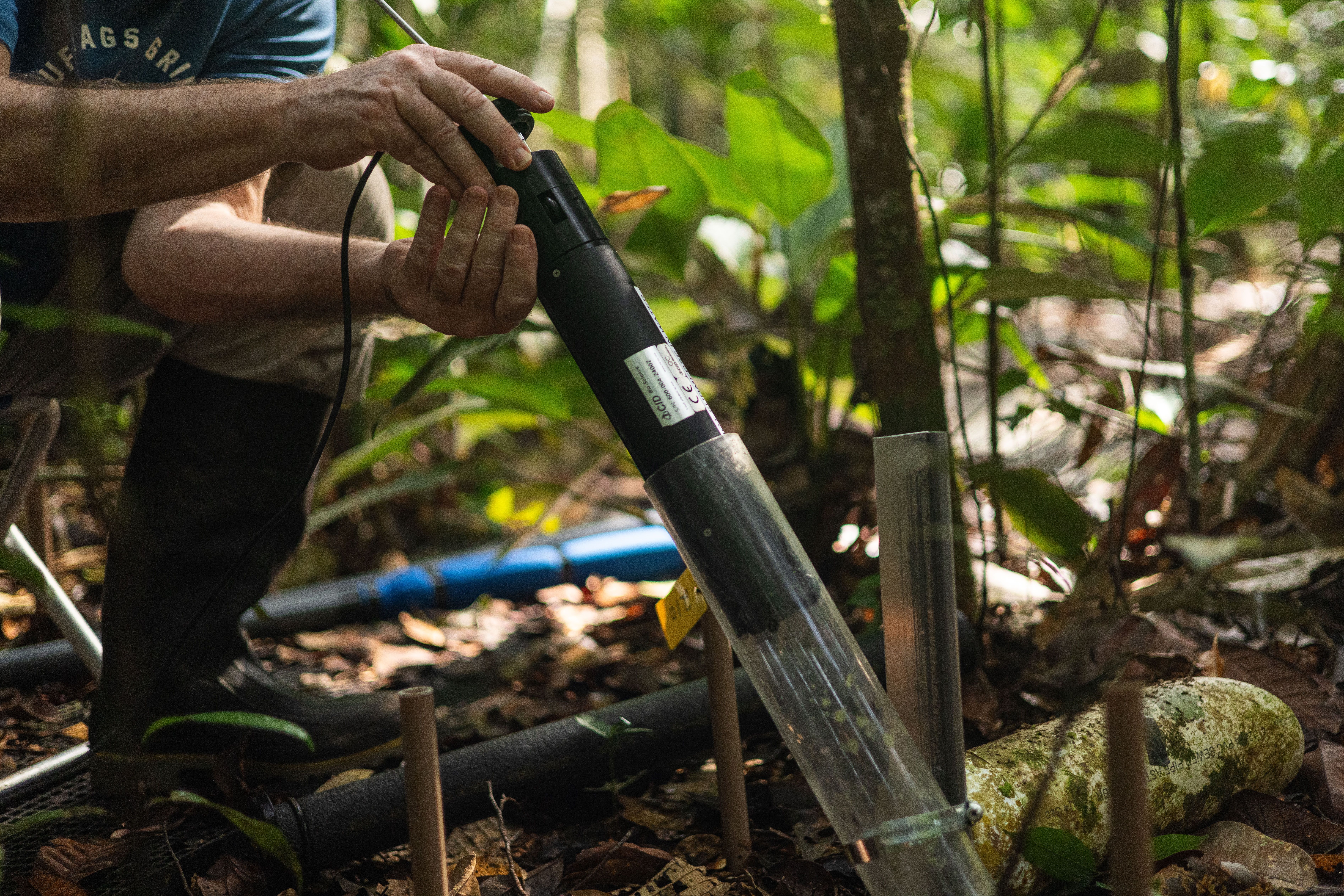
One of the most significant findings of the recent study appears far from the tree canopies. In phosphorus-poor forests, the increase in CO2 caused the carbon investment in fine roots to grow by nearly 30%. At the same time, the biochemical mineralization of phosphorus carried out by microorganisms increased by approximately 25%.
"To sustain additional growth, plants invest more in nutrient acquisition, and the system accelerates the recycling of the phosphorus it already possesses," Katrin explains.
Microorganisms step into the scene
Much of the soil's phosphorus is bound to organic matter and is not immediately available to plants. Microorganisms play a fundamental role in this process. They help to transform organic compounds and make phosphorus available to vegetation once again. According to the model, the microbial mineralization of organic phosphorus provides the largest share of the phosphorus that reaches the soil solution. In phosphorus-poor forests, this mechanism intensifies with the increase in CO2.
This discovery expands a crucial debate about the Amazon's role in combating climate change. The forest removes CO2 from the atmosphere through photosynthesis, but its ability to turn that carbon into biomass depends on resource availability.
"To project its future capacity to absorb CO2, we need to understand not only how much photosynthesis increases when there is more CO2 in the atmosphere, but also whether the forest can obtain the nutrients needed to transform that additional carbon into biomass," says Katrin Fleischer.
Hypothesis will be tested in the real forest
AmazonFACE offers an opportunity to confront these predictions with what happens in a real Amazonian forest. Among the questions to be investigated are precisely those raised by the modeling: will plants increase their investment in roots? Will phosphorus mobilization and recycling grow? Where will the additional nutrient come from? And for how long will the forest be able to sustain this strategy?
The expectation is that faster processes will produce results as early as the first year of the experiment. Others, such as carbon accumulation in trunks, will take several years. "It will run for 10 years because some processes in the forest are slow," explains Davi Lapola, scientific coordinator of the project.
A scientific structure of 170 people
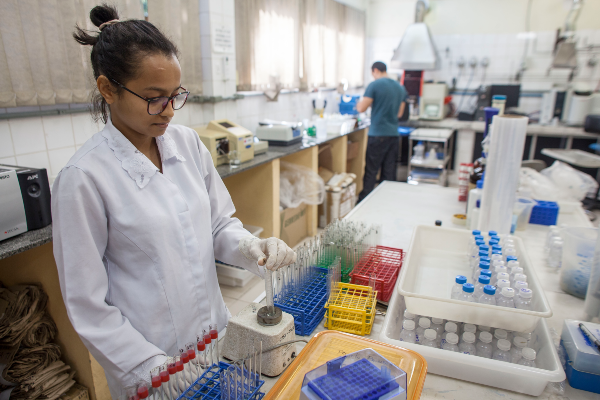
Behind the towers and equipment lies a human structure as complex as the experiment itself. According to Carla Estefani Batista, scientific manager of AmazonFACE, 170 people are officially linked to the program, including researchers, students, technicians, field professionals, and operational teams. The work is divided into six major areas: carbon, water, nutrients, biodiversity, socio-environmental studies, and modeling.
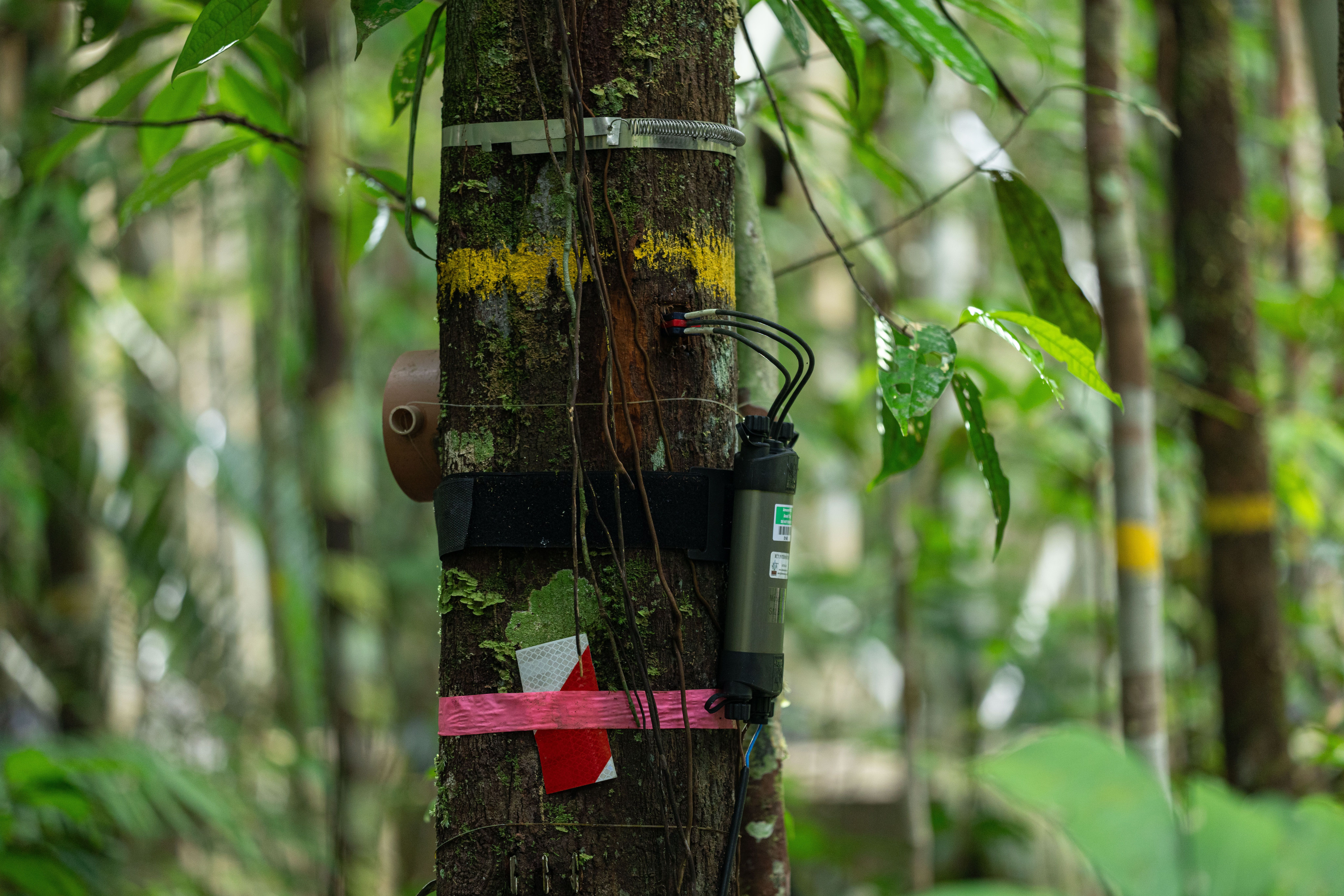
"I manage the scheduling and organization of the campaigns and everything that is happening. Working alongside the operations team, we make sure that everything synchronizes smoothly so it doesn't turn into chaos. There are many researchers involved," Carla states.
Data collection is already taking place before the CO2 enrichment begins. This baseline allows researchers to compare how the forest functions before and after the intervention. A database is also being built and is expected to bring together the results produced.
Answers
For Carla, the great importance of AmazonFACE lies in the possibility of anticipating responses that would naturally take decades to be observed. "We are simulating a future atmosphere. Instead of waiting 60, 100, or more than 100 years to find out how it will happen, how the forest will be impacted, how the ecosystem will be modified, we are accelerating this process," she states.
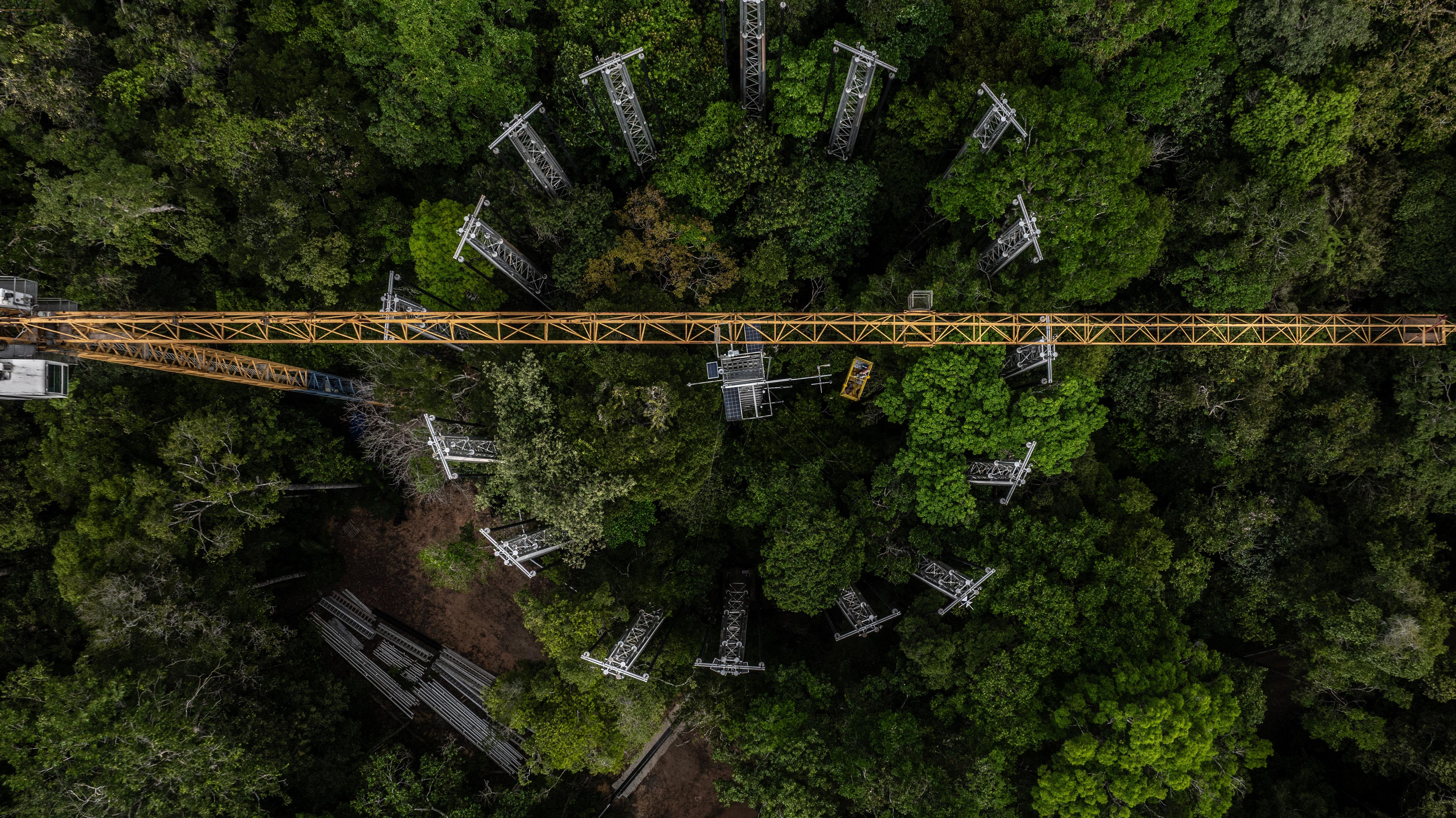
The goal is not simply to discover whether the increase in CO2 will be good or bad for the Amazon. It is to understand what limits the forest. This answer matters to the Amazon, but not to it alone. How much carbon the forest will be able to continue storing, how it will react to droughts, and to what extent it can help curb global warming are questions that go far beyond the boundaries of the six rings installed deep within the forest.
In the end, the question is simple to formulate and difficult to answer: in a world with more CO2 and a more extreme climate, will the Amazon be able to keep growing, or will the soil's own limits determine how far it can go?
INSTITUTIONAL PARTNERSHIP
The production of Liberal Amazon is one of the initiatives of the Technical Cooperation Agreement between the Liberal Group and the Federal University of Pará. The articles involving research from UFPA are revised by professionals from the academy. The translation of the content is also provided by the agreement, through the research project ET-Multi: Translation Studies: multifaces and multisemiotics.