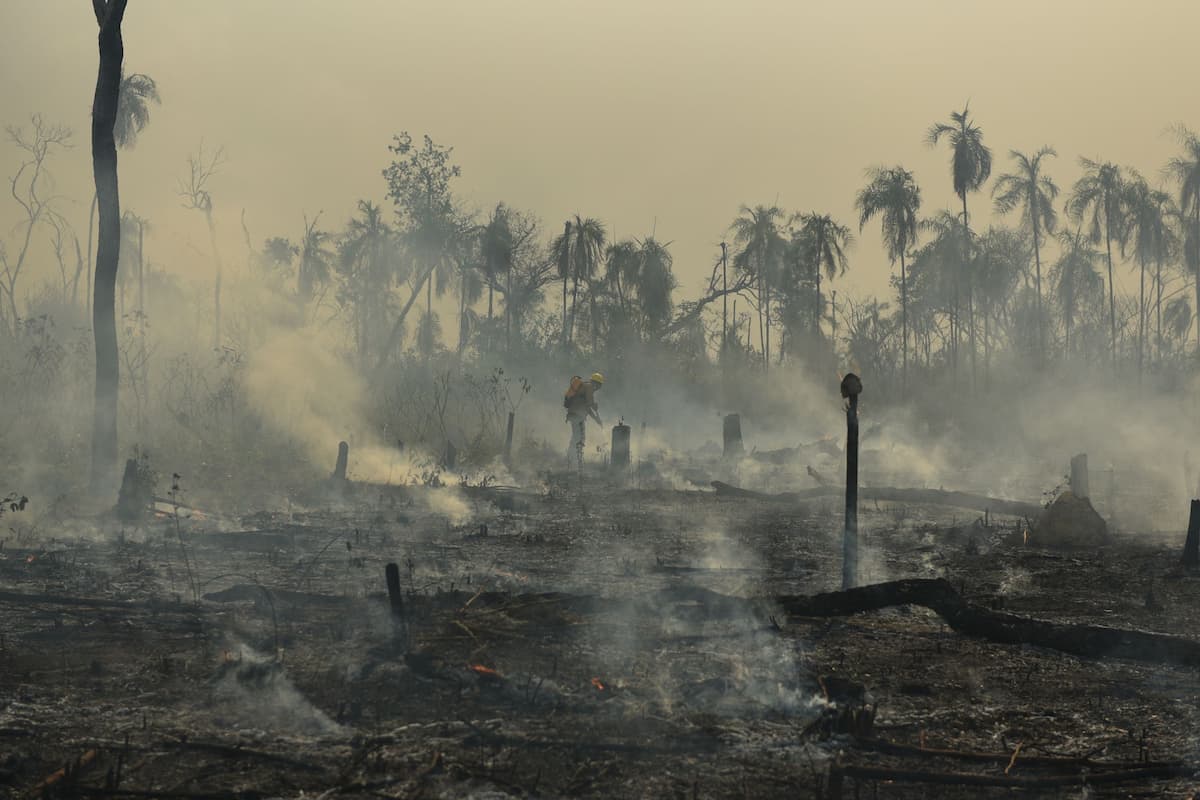
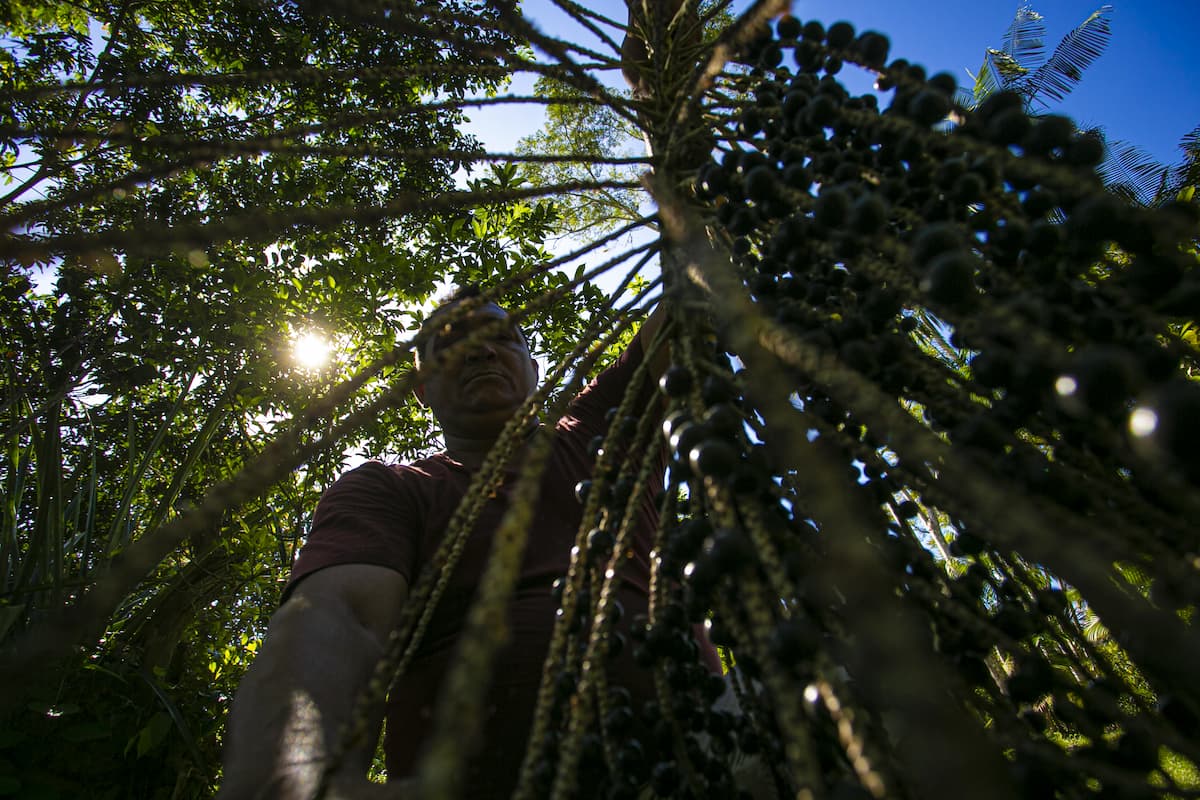
In 2025, the Paris Agreement marked a decade of intense international debate on keeping the planet's temperature stable. The treaty was signed in 2015, during COP 21, the 21st United Nations (UN) Climate Summit in Paris, and its main objective was to limit global warming to less than 2ºC by the end of the century. More precisely, to 1.5ºC, which is considered the “safe limit” for climate change.
The signatory countries of the agreement have committed to promoting actions to reduce greenhouse gas emissions. Brazil, for example, set a reduction target of 59% to 67% by 2035, based on 2005 levels. Going against the grain were Iran and Yemen, from Asia, as well as Libya and Eritrea, both African countries, which refused to be part of this global initiative. In 2020, the United States withdrew from the Paris Agreement, rejoined in 2021, and again withdrew last year, when the 30th Conference of the Parties (COP 30) was held in an Amazonian capital.
Despite the efforts of most countries, the planet has shown signs that climate change is converging towards the extreme. And one of the biomes most at risk of structural collapse is the Amazon.
HYPER-TROPICAL
A study published in the Nature journal in early January points out that the world's largest forest and river basin is heading toward a hyper-tropical climate by the end of this century, which means that temperatures and periods of intense drought could reach levels never before recorded in the tropics.
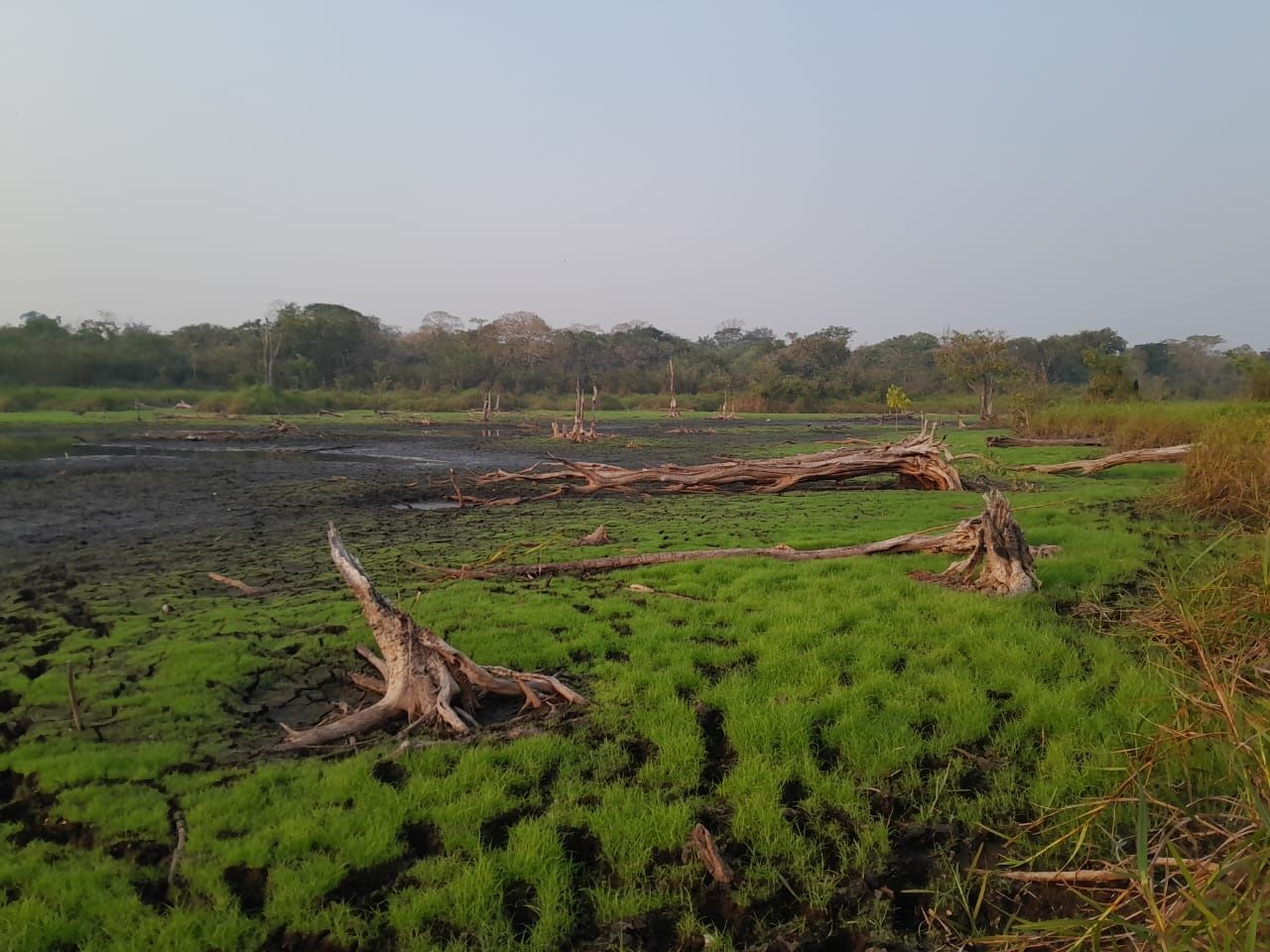
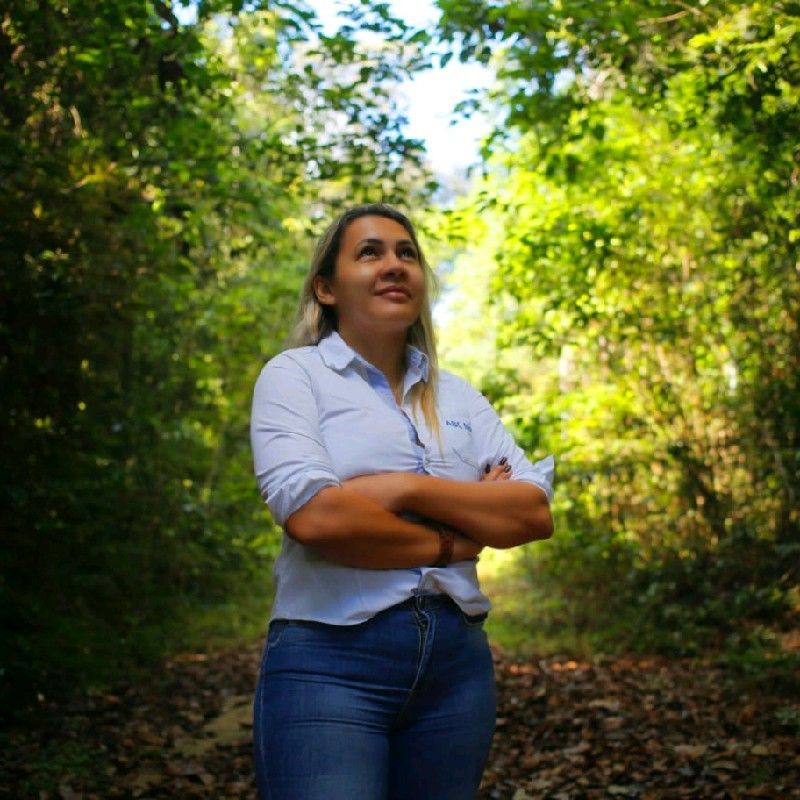
According to forest engineer and geographer Luciana di Paula, the term hyper-tropical is a new parameter for defining what has previously characterised the Amazon climate, marked by high temperatures and humidity with two distinct seasons: the rainy and the dry. In the hyper-tropical, there is excessive heat and longer periods of drought. The result of years of unrestrained interference to meet human greed.
"Climate change is mainly the result of anthropogenic actions (human actions). Thus, we can conclude that among others, the leading cause for this change is associated with the excessive deforestation and pollution in general, with greenhouse gas emissions being particularly noteworthy," says the Forestry Executive at Algar Group.
Less than eight decades from non-return
The study entitled 'Hot droughts in the Amazon provide a window to a future hyper-tropical climate' was conducted by scientists at the University of California, Berkeley, in partnership with other institutions, and is based on more than 30 years of climate and biological data from the central Amazon.
The study points out that the hyper-tropical regime in which environmental conditions occur exceeds 99% of historical tropical climates, combining exceptionally high temperatures with prolonged and severe droughts until 2100. According to the study, this climate has no equivalent in the modern period and would only have occurred on Earth about 10 to 40 million years ago. And we would now be less than eight decades away from a climate collapse with no possibility of return.
For, Everaldo de Souza, professor at the Institute of Geosciences at the Federal University of Pará (UFPA), the effects of this prediction can already be felt.
“In recent decades, the Amazon has experienced more heat waves, floods, inundation and droughts as well. It is precisely the extremes that are intensifying and becoming more frequent. At the end of the century, we will reach this intertropical climate, which is precisely the mature stage of a climate of extremes. It seems like the end of the world, but that's what we've been experiencing in recent years," explains the professor.
It is worth noting that the tropical climate occurs in the so-called intertropical zone of the planet, between the Tropic of Cancer and the Tropic of Capricorn, where the Amazon is located. These are medium and low latitude areas, where temperatures remain high on average, and there is alternation between a dry and a rainy season.
“Hot droughts” can change seasons
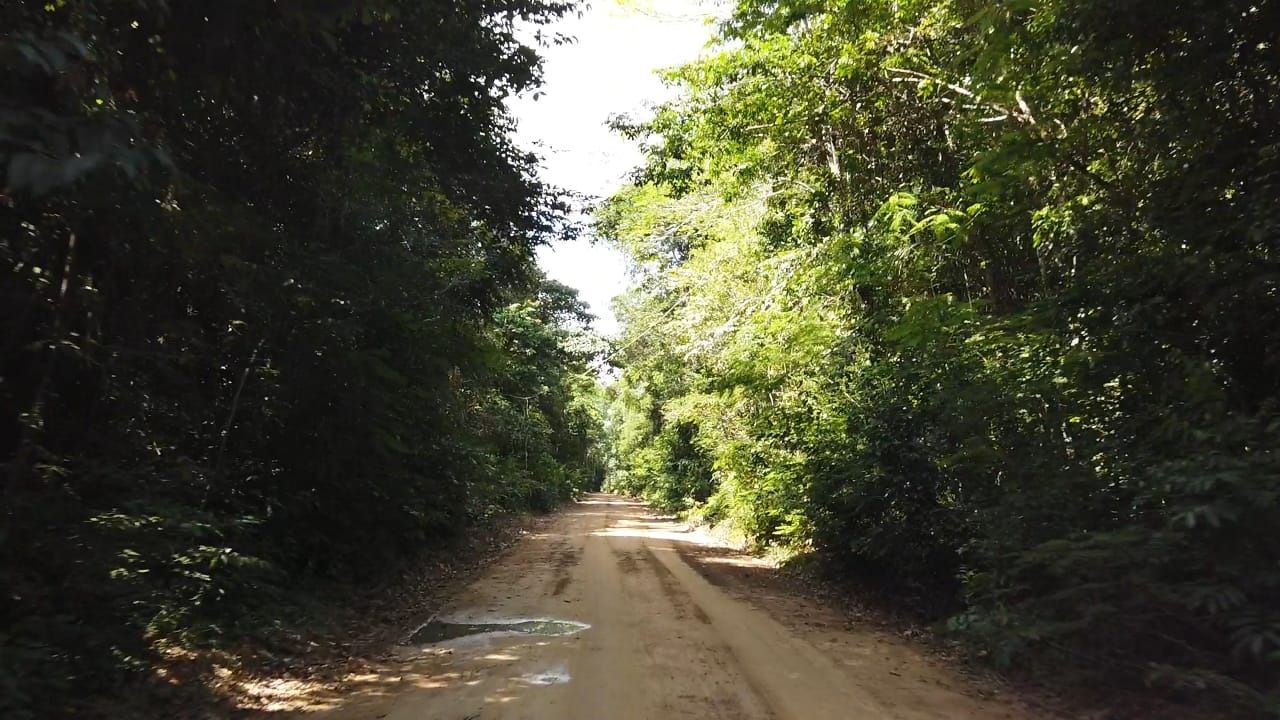
According to the publication, the events known as ‘hot droughts’ - when there is a reduction in rainfall and an increase in intense heat waves - are precursors to the Amazon's new hyper-tropical climate regime, which could cause periods of extreme drought lasting up to 150 days each year, until 2100, at the end of this century. This could even alter the months that make up the rainy season, known as the 'Amazon winter'.
The new pattern of behaviour in nature, resulting from anthropic actions, represents a major disruption to the physiological processes essential to the survival of forests, as Luciana di Paula explains.
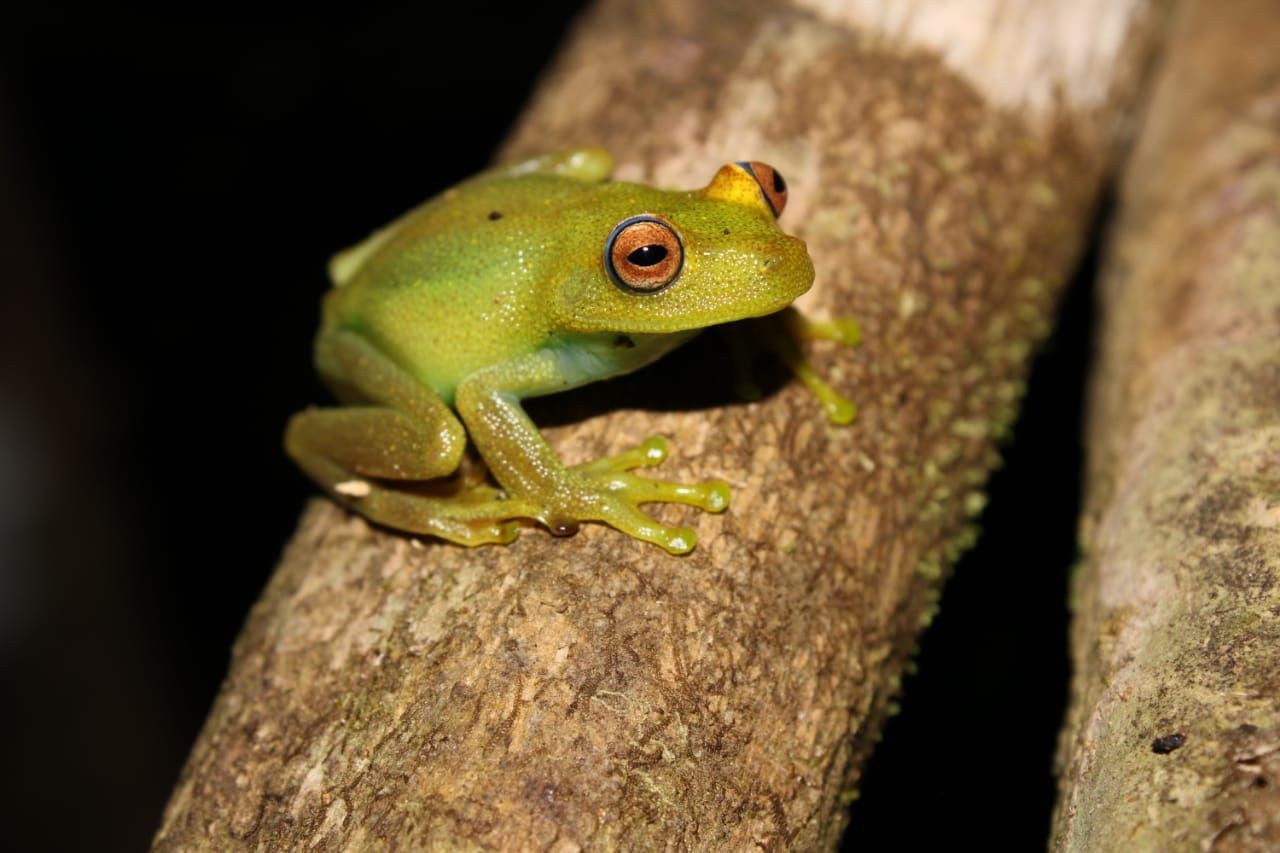
"The main consequences are changes in the behaviour of forests, which will have to react to the lack of water, altering their natural cycle and potentially leading to excessive mortality of these plants, as well as secondary vegetation. This will result in a reduction in CO2 sequestration, in addition to an increase in temperatures that directly impact our daily routines and our health," says Luciana.
She also reinforces that the problem of the Amazon's hyper-tropical climate highlights social inequalities in the face of climate change.
“The climate crisis deepens existing inequalities as it intensifies floods, droughts, landslides, and high heat waves, and not all of us can protect ourselves or recover. And vulnerable communities face the most severe impacts,” says the forest engineer.
2024 drought sacrificed indigenous people
An example of this discrepancy is what happened to the approximately 180 indigenous people of the Ricardo Franco village, in the Rio Guaporé Indigenous Territory (TI), in the municipality of Guajará-Mirim, in northern Rondônia. The routine planting of beans, rice and bananas and the production of flour were hampered by the drought that hit the Amazon in 2024.
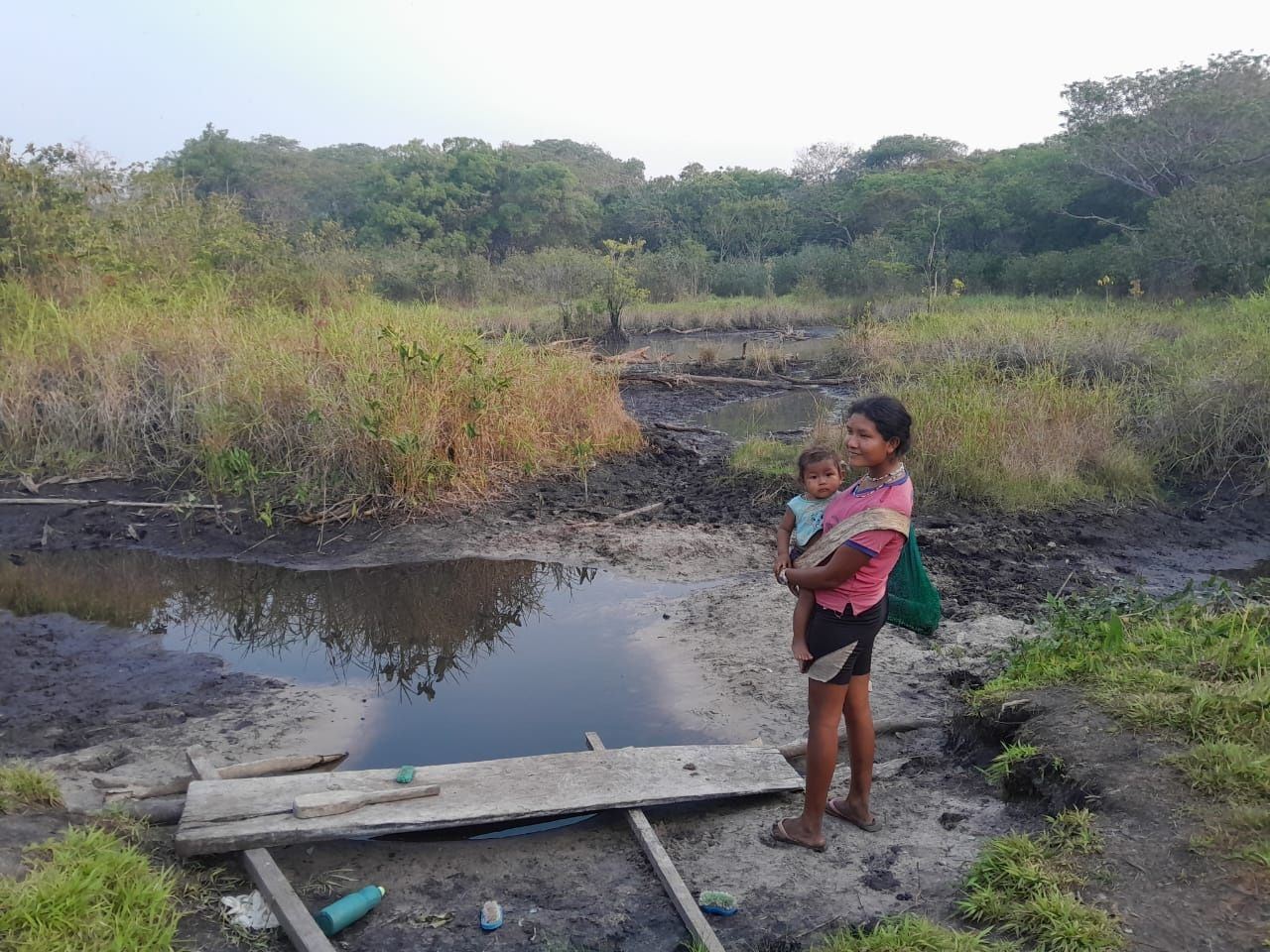
Indigenous teacher Jociclei Macurap recalls that the community suffered from the drought affecting the streams and the Aporé River.
"It was tough for people who had no way of producing flour and no access to drinking water. With this drought, it was impossible to produce anything. The Aporé River is large, but even so, there was a lack of transportation to take the product to the municipality of Guajará-Mirim. And those who live at the headwaters of igarapés (spring or initial part of a small Amazonian watercourse) suffer from a lack of drinking water. They had to dig a small pool of water to be able to get water to drink, bathe and wash a few clothes," recalls Macurap.
Jociclei says that even after the rivers flooded, the community is still suffering from the aftermath of the drought two years later.
"It's getting hard for us because the drought remains. This year, now in 2026, the river should already be well above the normal level. So far, it is still low on water. It is not progressing as it used to. We are afraid of the future, that one day it will no longer fill (the river) and we will have no way to navigate to go to the municipality of Guajará-Mirim, because it is far from here to the Guaporé River Indigenous Territory, it takes three days by boat,” says Jociclei.
Belém “lives” in 2100
While the indigenous community fears for the future, cities like Belém are already experiencing what is predicted for the end of the century. Professor Everaldo de Souza published a scientific article last year showing how the COP 30 capital achieved substantial surface warming of up to 1.5°C, based on an analysis conducted between 1985 and 2023. In other words, the 'Metropolis of the Amazon' would have already reached the 'safe limit' for temperature increase by the year 2100, as predicted in the Paris Agreement.
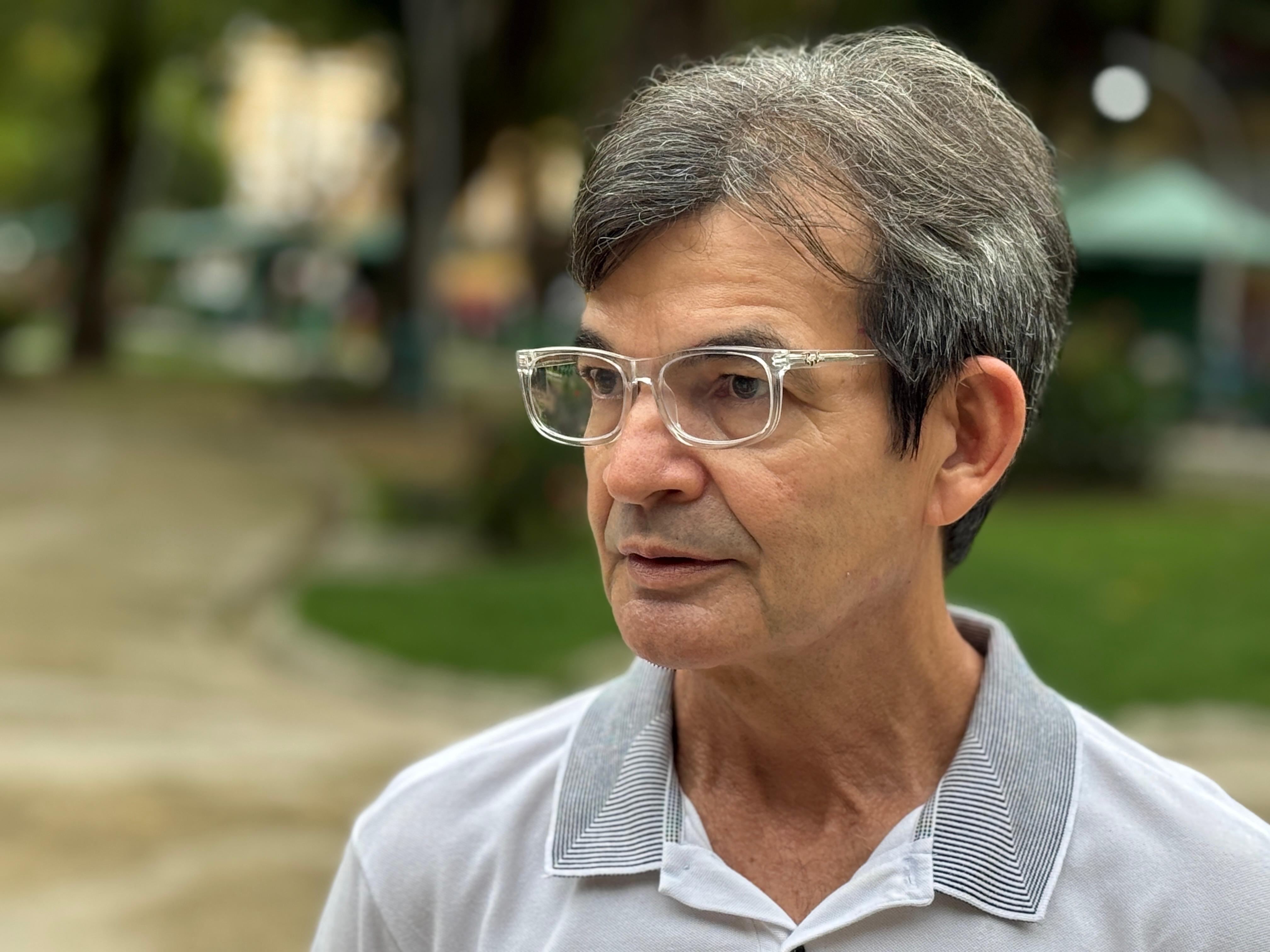
According to the researcher, the population's health is already feeling the effects of the hyper-tropical climate more than seven decades in advance, and prolonged exposure to the sun is not to blame.
“One of the effects of rising temperatures, for example, is premature ageing. We see this in people. They are ageing, and why? Imagine a sleepless night because of the heat. Now imagine several nights, several years of poor sleep, because this temperature has been rising over the last two decades. This prolonged effect on the quality of life, on human health is noticeable in the population," explains Souza.
SOLUTIONS
Uniting efforts is one of the alternatives that countries have been pursuing during the annual UN Climate Conference, such as the one held in Belém in November last year. For Professor Everaldo, even though there is no total consensus among the nearly 200 signatories, it is possible to halt the transition of the Amazon's climate to hyper-tropical.
"If countries commit to sustainability issues, mitigation, adaptation and reforestation, we can eliminate this expectation of a hyper-tropical climate and maintain a mild climate," says Souza.
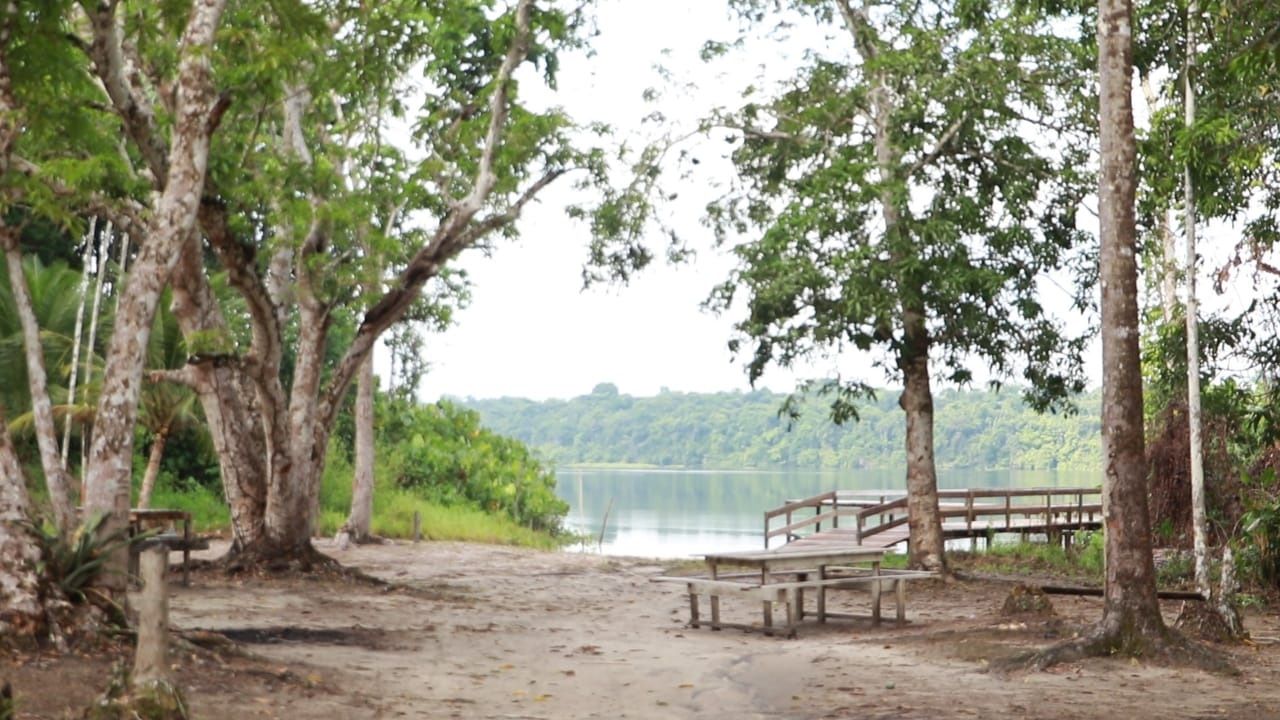
However, he states that the ideal scenario does not reflect reality, precisely because there is no consensus, but the individual initiative of some countries working together can ensure a balanced planet for future generations.
“Unfortunately, it is hard to reach a consensus among 196 countries and expect everyone to contribute funding to carry out these actions, which require significant resources. As Professor Paulo Artaxo said, the COP was designed not to work. And it still hasn't worked. But that is where some countries have taken individual actions and joined forces with other countries, such as Brazil, Colombia and Chile. We can adapt together so that, at the very least, we can do our part to hold back global warming," says the researcher.
INSTITUTIONAL PARTNERSHIP
The production of Liberal Amazon is one of the initiatives of the Technical Cooperation Agreement between the Liberal Group and the Federal University of Pará. The articles involving research from UFPA are revised by professionals from the academy. The translation of the content is also provided by the agreement, through the research project ET-Multi: Translation Studies: multifaces and multisemiotics.