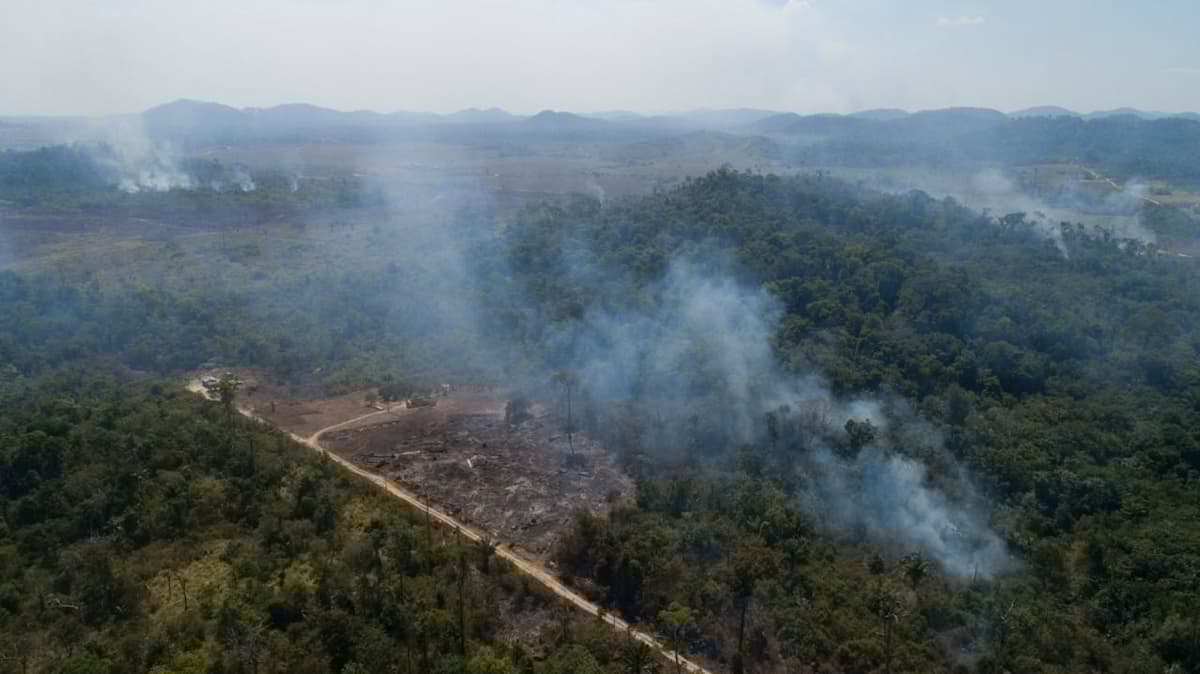
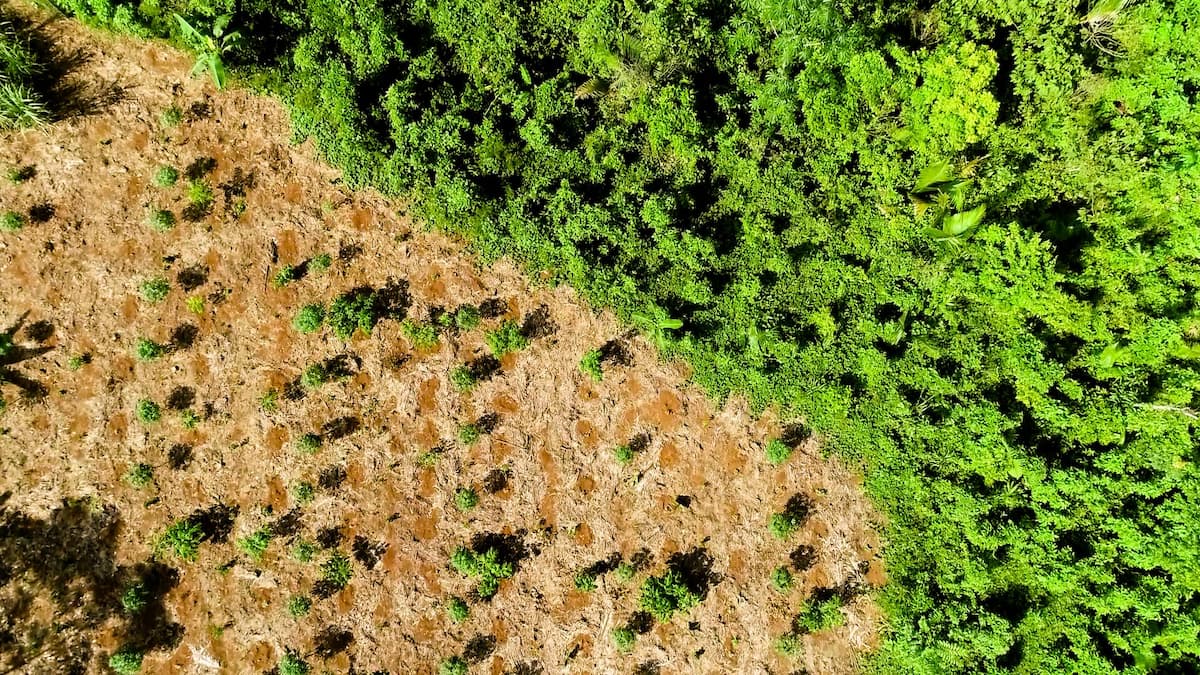
The construction industry is a major emitter of greenhouse gases: about 39% of the world's emissions come from it, including those caused by the production of building materials and buildings operation. The cement industry alone is responsible for about 7% of global emissions. Although less polluting, brickyards, which produce bricks and tiles, also have an environmental impact, as they involve the burning of materials.
Initiatives to reduce the carbon footprint in the construction industry have focused more on changes in the functioning of buildings, such as in the areas of cooling and lighting. But, around the globe, numerous technologies seek to make building materials more sustainable, whether by emplying renewable or recycled materials or by promoting changes in their production method.
In the Amazon region, the states of Pará and Amazonas are already researching and adopting technologies for creating building materials with a lower environmental impact. At the Federal Institute of Pará (IFPA), for example, civil engineer and professor Marco Antônio Oliveira developed a type of cement that uses two byproducts from the pulp and paper industry in its composition.
CEMENT
“The cement industry is among the largest CO2 emitters. The extraction of the raw material, which is limestone, is already impactful on the environment. Furthermore, the production of cement itself causes even more damage, because the limestone is burned at high temperatures to obtain clinker, which is the base of cement. So, what can be done to use less limestone and less clinker? Some industries use other mineral additives, such as fly ash and blast furnace slag. The idea is to increasingly use other mineral additives or seek vegetable additives, as is the case in my study,” explains the professor.
The cement developed by Professor Marco Antônio Oliveira, therefore, causes fewer greenhouse gas emissions, with the reuse of waste as a product for the civil construction chain. “I used two types of waste from the pulp industry. One of them I called Biomass Fly Ash (CVB) and the other Biomass Limestone Filler (FCB). I tried several mixtures, in various concentrations, with one, with the other and with both together, to produce what I called CPR [Portland Cement with Waste] 1, 2 and 3. CPR 3 has 50% waste,” he adds.
The idea was to reduce the use of clinker in the mixture, using plant-based biomass. “These residues exist in immense quantities because Brazil is one of the world's largest producers of cellulose. So, giving these residues a purpose is already an advantage. And, since it is an abundant material, it becomes economically viable for the cement industry. And the best part is that all types of cement have undergone numerous tests and met all current regulations, such as compressive strength,” he points out.
Açaí waste turns into ecological bricks
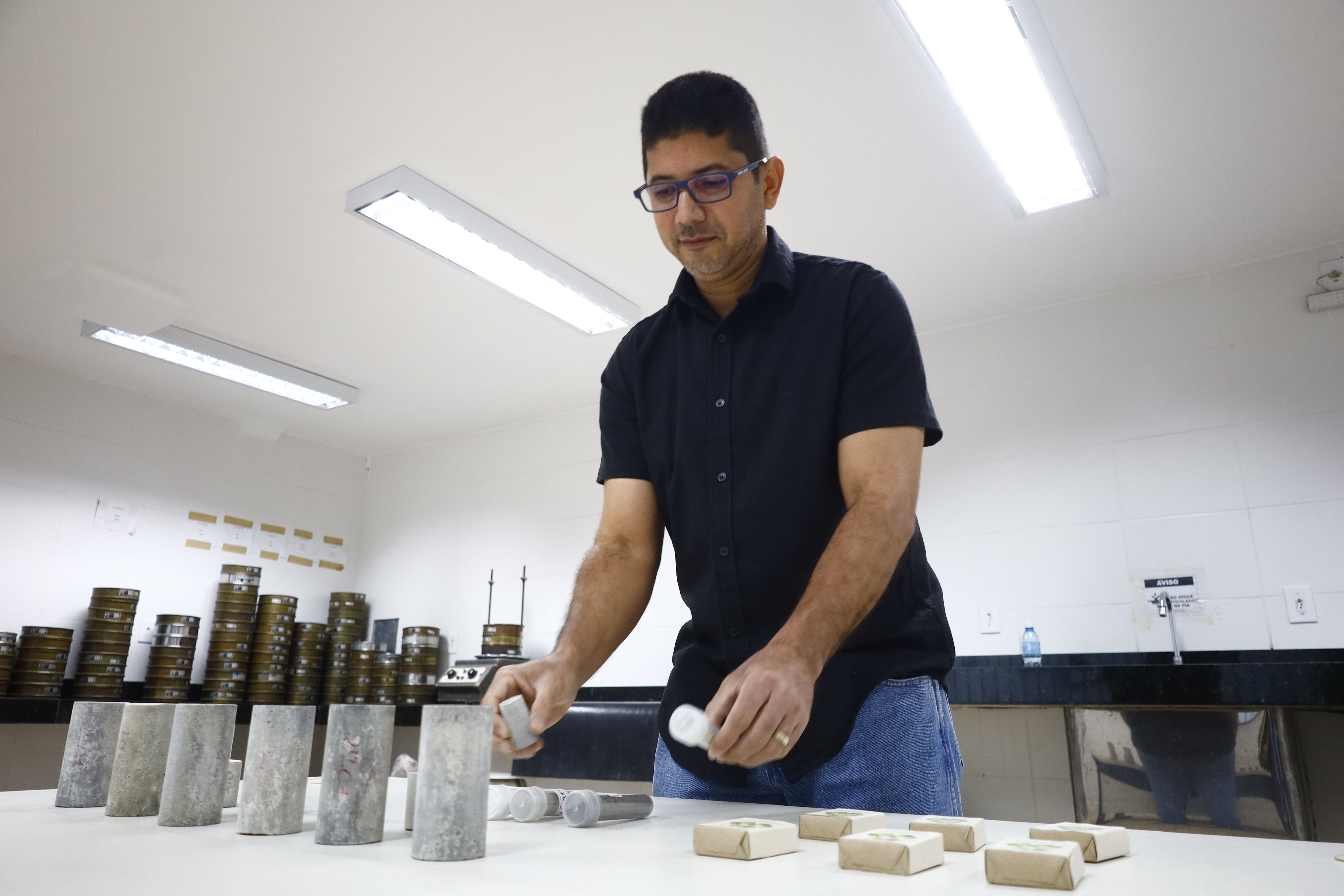
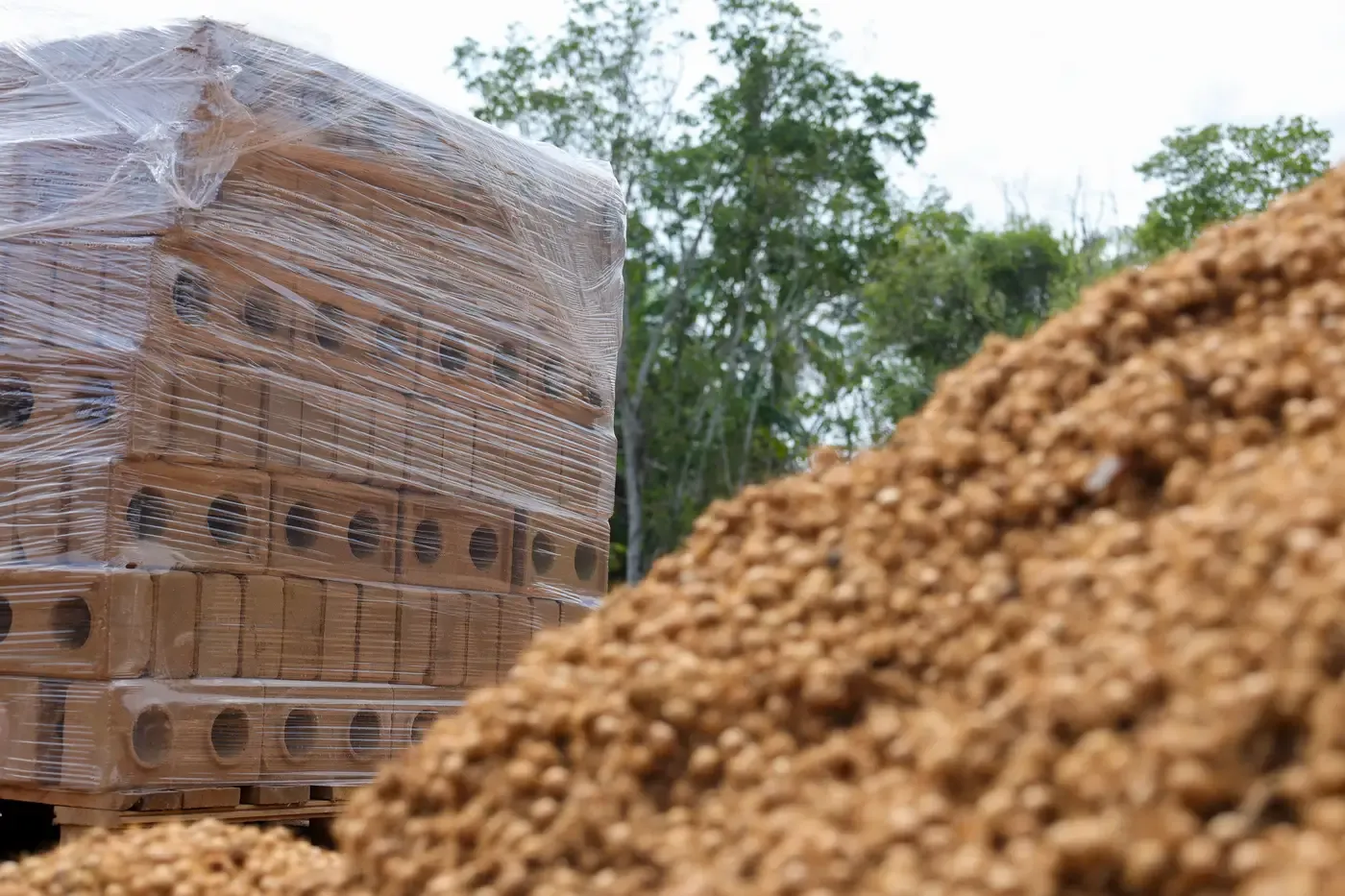
Independently, outside of IFPA, Marco Antônio Oliveira also developed other materials: ecological bricks and bio-draining flooring, composed of waste from the açaí production chain. According to the Professor, pits, fibers, and ashes from açaí undergo treatment to prevent decomposition and inhibit the proliferation of microorganisms. “Afterwards, they are used as byproducts in components and construction systems. I created, together with partner factories, the Pai D’Égua or Papa-chibé ecological brick and the Pai d’Égua or Papa-chibé bio-draining flooring. The treated açaí pit is used in the mixture as an input similar to conventional raw materials (sand, gravel, crushed stone, etc.), commonly used as a component material in cementitious matrices (soil-cement, mortar, concrete),” explains the researcher.
According to Oliveira, the materials offer several environmental advantages, such as the reuse of waste, the promotion of a circular bioeconomy, and the reduction of greenhouse gas emissions. The production cost is similar to conventional permeable bricks and paving stones.
Ecological brick builds houses on Combu Island
One of the technologies developed by Marco Antônio Oliveira is already being used in practice, in the construction of social housing on Combu Island, in Belém. “In a project by Companhia de habitação do Pará (Cohab) [Housing Company of Pará], Social Interest Housing Units are already being built using ecological bricks, with the concept of encouraging the sustainable use of local resources and the proposal to contribute to replicable climate solutions for sustainable construction, valuing inputs of regional identity and strengthening the leading role of the Amazon in the climate agenda,” emphasizes Oliveira.
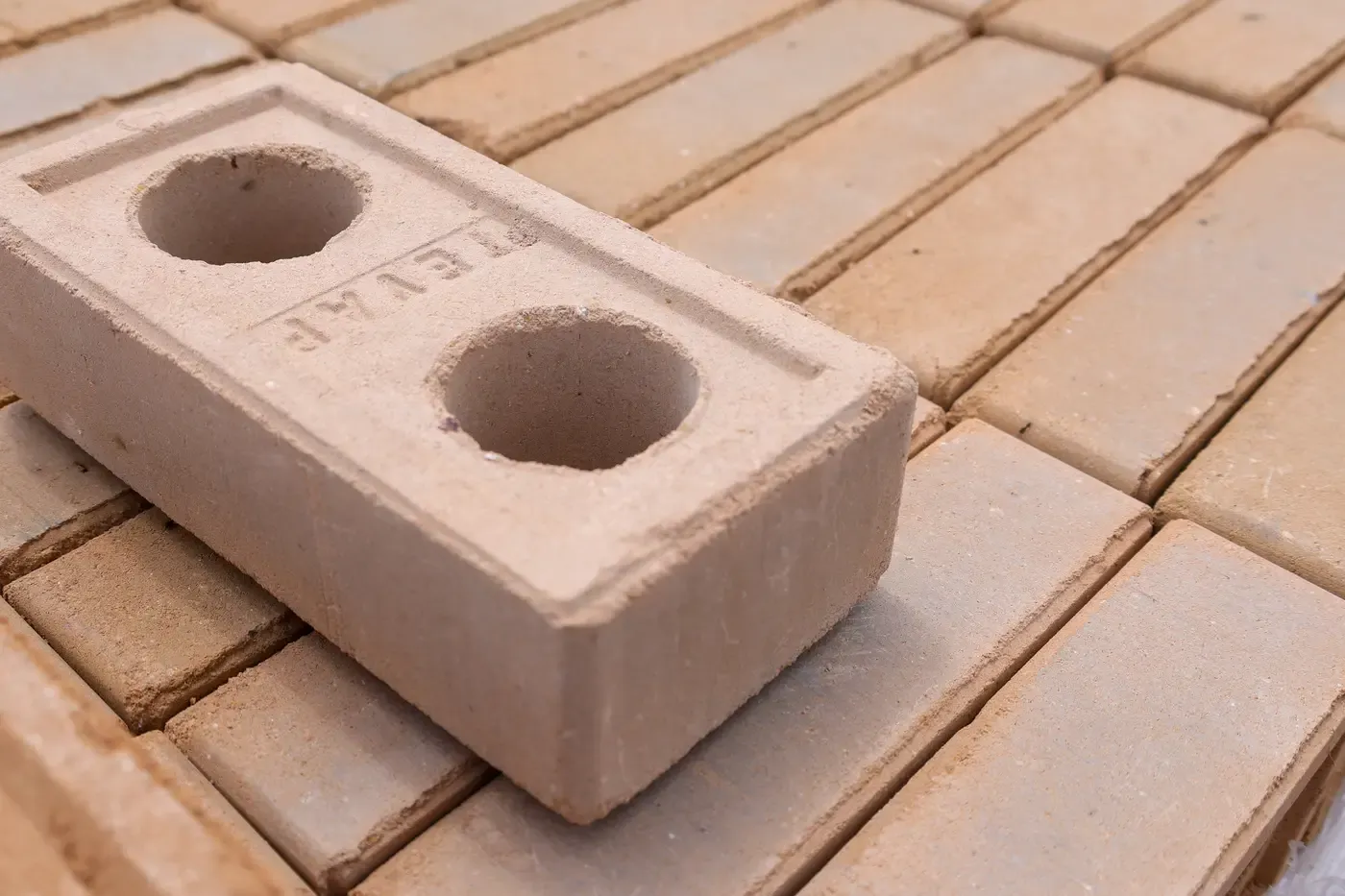
The project mentioned by the Professor is "Your Sustainable COP 30 Home", which will build 45 sustainable homes on the island, using ecological soil-cement bricks, produced without burning and with the addition of granules obtained from açaí seeds. In addition to the brick, the construction will also include other techniques with less environmental impact, such as the use of ecological roof tiles and the installation of biodigesters for the treatment of organic waste, generating biogas and biofertilizer.
The expectation is that this will generate a reduction of approximately 28 tons of CO₂ emissions into the atmosphere. In addition, there will be a reduction of up to 30% in construction time compared to traditional masonry and savings of approximately 40% in the use of materials, which will provide greater thermal comfort and acoustic insulation. The houses will be in the form of palafitas [stilt houses], respecting riverside traditions.
FRONT LINE
According to Cassiano Ribeiro, an economist at Cohab and one of the responsible professionals for the project, the initiative arose from a need to reposition the Company to act on the front line of the climate crisis, expanding the housing program to minority groups such as traditional peoples, riverside communities, quilombola communities, and indigenous peoples who, historically, are the most affected segments by the housing deficit and environmental impacts.
“At the end of October, we started the logistics of distributing the materials, and the first stage of construction - which consists of a concrete platform made using the foundation system - continues until the end of December. We estimate that ten units should already be completed in the first stage and at least three units will be finished in December. In January, the project will intensify the distribution of materials to other families, with the project expected to be completed by April 2026,” says Ribeiro.
Tour guide Analice Mota, a resident of Combu Island, will be one of those included in the first phase and says that the achievement seals the fight for the right to decent housing.
“We have always lived off açaí, we work with açaí, both for our livelihood and for tourism. We know that there are many problems here with the influence of tides, and a decent house is a great joy. It's a space made with bricks reusing açaí, which is a unique feature of the project,” celebrates the riverside dweller.
Amazonas Ecolar removes families from areas at-risk
In the state of Amazonas, an initiative seeks to give a better destination to what is a major environmental problem: the excess of discarded plastic. A project, presented during the 30th United Nations Conference on Climate Change (COP 30), held in November in Belém, and officially launched on the 17th in Manaus, will transform this waste into bricks for the construction of housing units for vulnerable people.
Called Amazonas Ecolar, the project aims to relocate families living in at-risk areas to safe and sustainable housing, built with blocks made from plastic waste, using technology created by a Colombian company. According to the Secretary of Civil Defense of Amazonas, Colonel Francisco Máximo, the new houses should be the solution for more than 200,000 families who live in areas affected by landslides, floods and inundations, in addition to reducing the large amount of plastic in the environment.
“The project emerged from the need to address, in an integrated way, two major challenges in the state: the housing deficit and the growing environmental impact caused by the improper disposal of plastic waste. The initiative was conceived by the Amazonas government, through Civil Defense, as an innovative and sustainable solution, capable of transforming an environmental liability into a social benefit, promoting decent housing, protecting families living in at-risk areas, and strengthening the circular economy in the state,” explains Máximo.
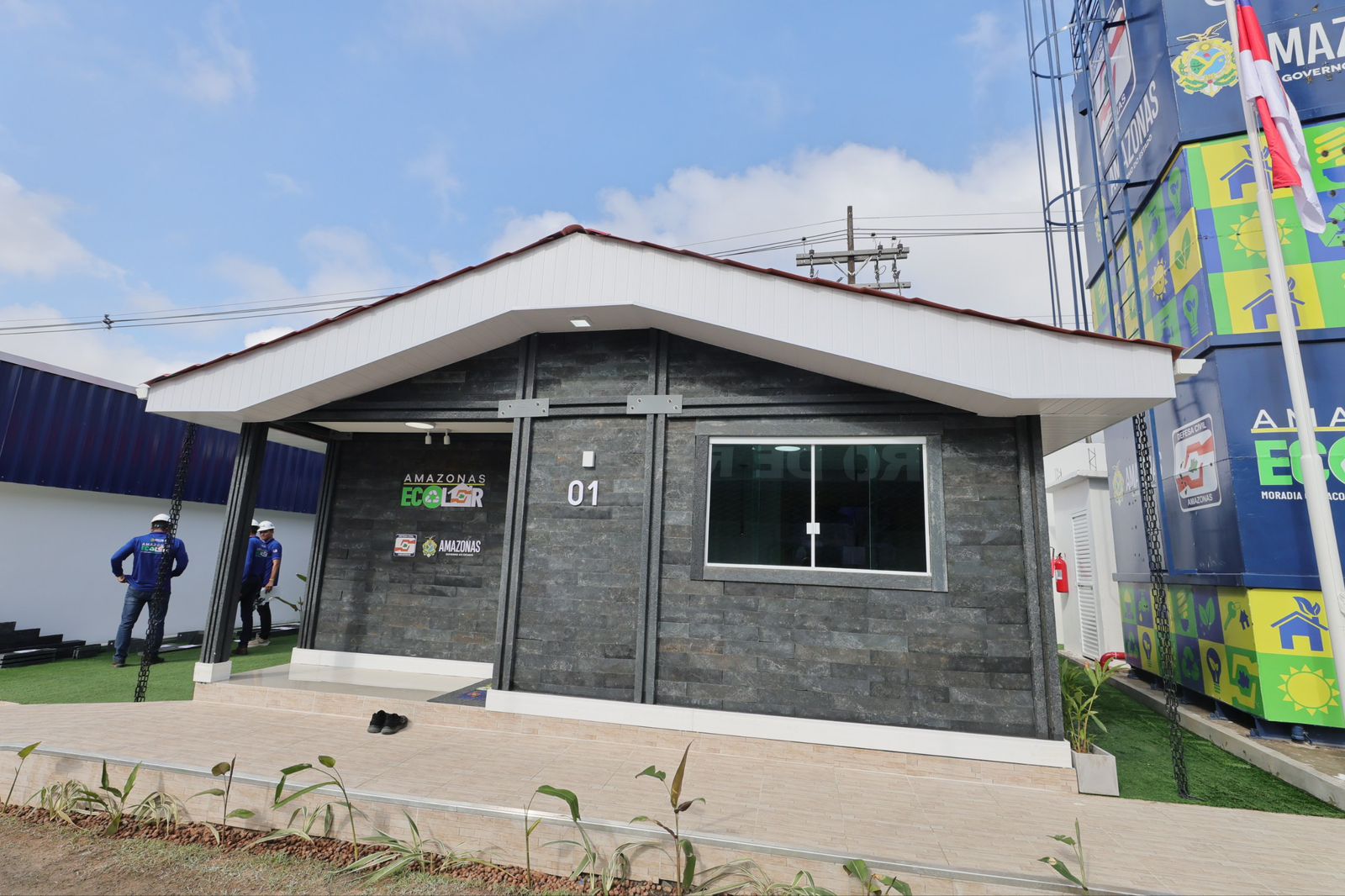
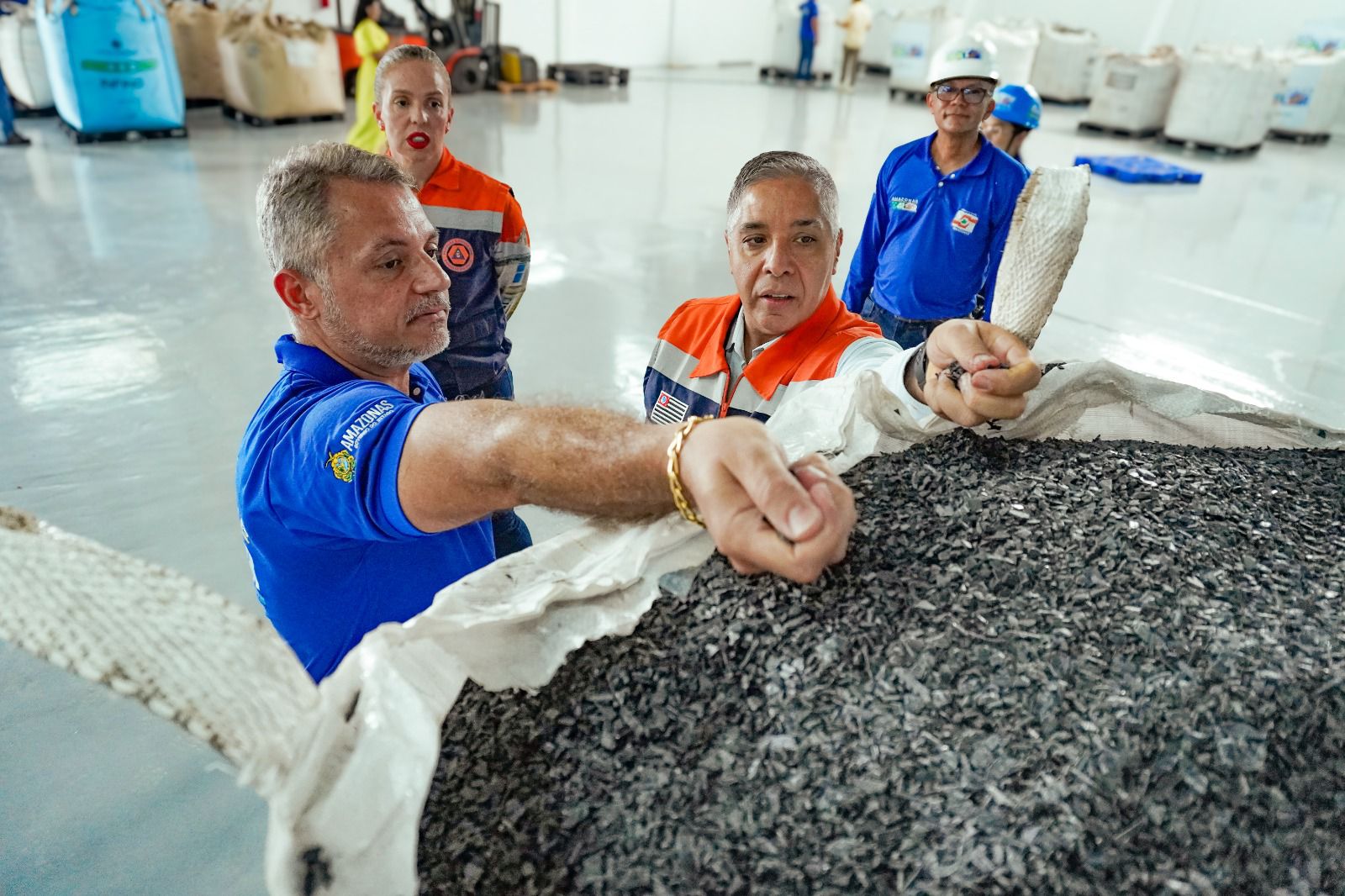
The secretary states that a Recycling Center will be implemented in Manaus, with the capacity to process more than 80 tons of plastic per month. “Because it is a new process, the project will be implemented gradually and strategically in this first phase, prioritizing families in situations of greater vulnerability. The initial goal is the delivery of up to 300 houses per year, with the progressive expansion of production capacity over time, as the project consolidates, resources become available, and the model expands, always aligned with the housing and social protection policies of the Amazonas government,” reinforces the colonel.
CIRCULAR ECONOMY
The Amazonas initiative presents itself as an innovative and sustainable solution, capable of transforming an environmental liability into a social benefit. Máximo explains that the Recycling Center will be managed by the State Civil Defense, which will be responsible for the operation, coordination, and management of the entire production process. The material used will be acquired from cooperatives and associations of waste pickers who collect plastic from rivers, fostering a new income chain.
“Investing in sustainable construction is a strategic and responsible decision. Projects like Amazonas Ecolar demonstrate that it is possible to combine environmental protection, technological innovation, and social inclusion. By using recycled materials, the government reduces environmental impacts, strengthens the circular economy, generates employment and income, and at the same time, promotes decent and safe housing for the population. This model represents an advance in public policies, aligned with contemporary climate and social challenges,” concludes the secretary.
INSTITUTIONAL PARTNERSHIP
The production of Liberal Amazon is one of the initiatives of the Technical Cooperation Agreement between the Liberal Group and the Federal University of Pará. The articles involving research from UFPA are revised by professionals from the academy. The translation of the content is also provided by the agreement, through the research project ET-Multi: Translation Studies: multifaces and multisemiotics.