Next Tuesday (22), the National Cassava Day is celebrated. The date celebrates a food of Amazonian origin and its undeniable cultural and economic importance for the region, heritage of indigenous peoples. However, despite the commemorative date, the moment is one of concern for the cultivation of the species in the Amazon and all the factors involved in this scenario, such as food security and income production in the region.
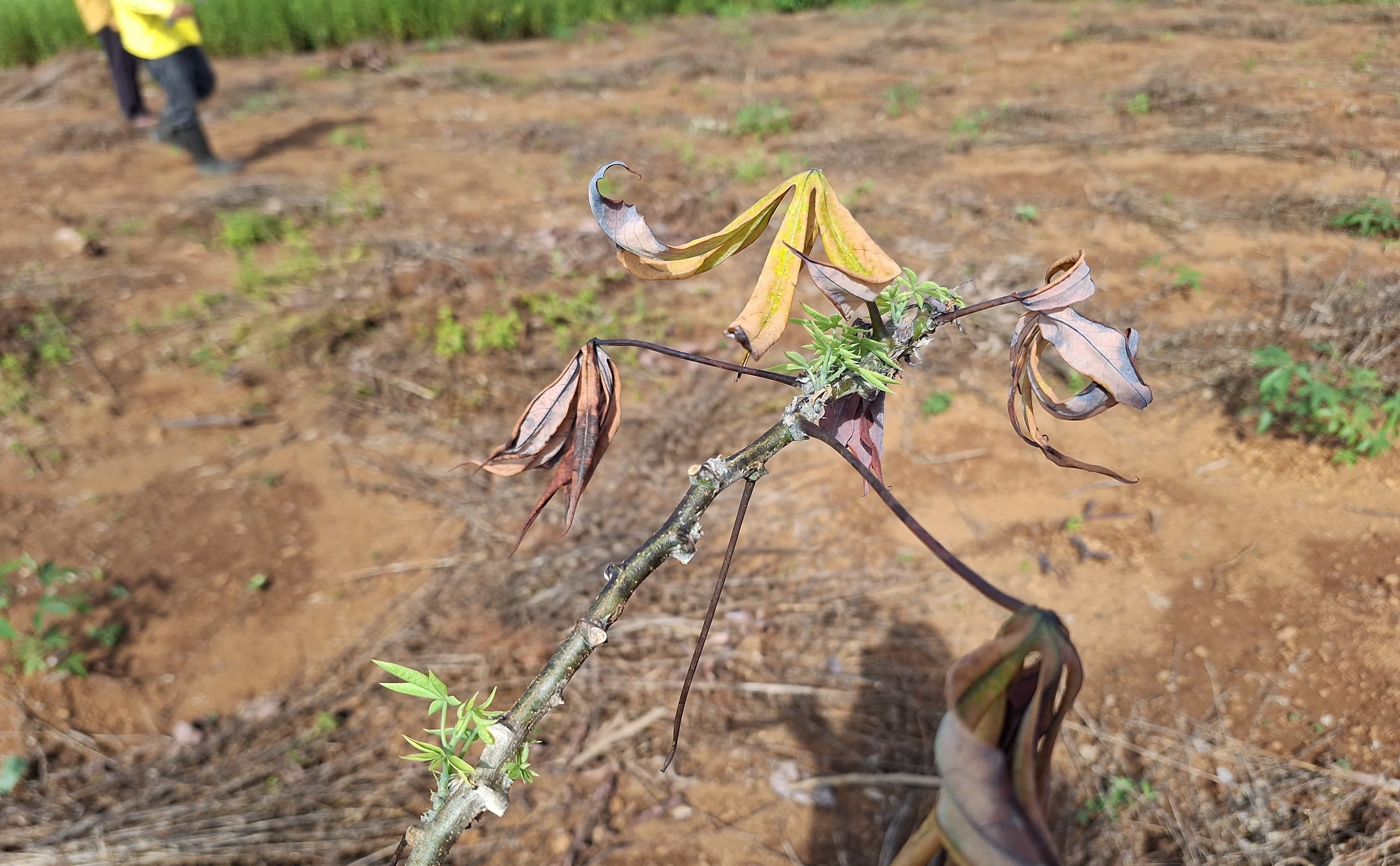
Since July 2024, a plague - new in Brazil - caused by a fungus has hit cassava plantations in Amapá, wiping out entire crops. Called the cassava witches’ broom - which has nothing to do with the broom of cocoa witches’ broom - the disease makes the branches of the plant dry and deformed, giving the appearance of a broom, as well as causing dwarfism, proliferation of weak and thin shoots on the stems and, as it progresses, death.
The pest was first identified in swiddens of indigenous lands in Oiapoque, near the border with French Guiana. Edmilson Oliveira, from Curipi village, in the municipality, says that the community's crops have been decimated. “The plague started in the indigenous lands on the banks of the Oiapoque River and then spread to our village. The leaves were dying from top to bottom, turning reddish. We sold tons to nearby municipalities, but we lost all our production. We have already tried to plant again, and again the pest attacked”, he reports.
Edmilson points out that the loss caused food insecurity and loss of income for the village. “We plant both for consumption and for sale. Many families started to receive basic food baskets from the government of Amapá. We are also trying other crops, such as rice and corn, to generate income. We hope to be able to solve this problem soon, with government help”, he says.
EMERGENCY
The disease is highly dispersible: it can be transmitted by infected plant material, by pruning tools and even by soil and water, facilitating the risk of infection in new areas. Pará is not immune to the risks.
Therefore, in January of this year, the Ministério da Agricultura e Pecuária (Mapa) [Ministry of Agriculture and Livestock] declared a state of phytosanitary emergency in these two states - Amapá and Pará - for a period of one year. In March, the National Program for the Prevention and Control of Cassava Witches’ Broom was established. The regulations are intended to facilitate the adoption of prevention measures and prevent dispersal to new areas that have not yet been reached, by prohibiting the transit of plants and parts of plants of host species of the pest from municipalities with the occurrence of the disease.
According to Edilene Cambraia, director of MAPA's Department of Plant Health and Agricultural Inputs, a state of phytosanitary emergency can be declared whenever a quarantine pest, i.e. one that does not exist in the country, is detected. "Considering possible economic, social and environmental impacts, we can declare an emergency, which facilitates procedures to be adopted. This also makes it possible to carry out actions with third parties, so that we can work together and join efforts to combat the pest” the manager explains.
The ordinance that created the National Program includes 18 different institutions working on the problem, at the federal, state and municipal levels, as well as research centers. The witches’ broom has not reached Pará territory, but according to Edilene, Pará was included in the emergency ordinance because it is a border state. "We established the contaminated areas and risk areas, which are susceptible because they are nearby. As Pará is a neighboring state and also the largest cassava producer in the country, if it is affected, it will have much greater economic damage than Amapá. So, the ordinance defines that the same actions that we can do in Amapá, can also been taken preventively in Pará", the agronomist explains.
According to the Instituto Brasileiro de Geografia e Estatística (IBGE) [Brazilian Institute of Geography and Statistics], Pará produces around 3.8 million tons of cassava a year, accounting for around 20% of national production.
Institutions face challenges in fighting the disease
Although this has not yet been confirmed, the theory is that the disease came from French Guiana, where the cassava witches’ broom is present. “As the first outbreaks were near to the border, we imagine they came from there, due to traffic of people and habit they have of exchanging material. That’s probably the reason for the contamination in Amapá" Edilene Cambraia explains.
The pest is new to the world and comes from Southeast Asia. For this reason, little is known about its behavior. "We do not know what it looks like, in what situations it expresses itself more, when it is more aggressive or not, how it is controlled, how exactly it disperses. All this makes it difficult to take more assertive measures, not least because how it behaves in Asia may not be the same way as how it behaves here. But all efforts have been adopted by MAPA, Embrapa Amapá and other agencies. It is our number-one priority, so that we can minimize the damage that the pest brings to the region and not let it advance", the director of the Ministry says.

RESEARCH
The Empresa Brasileira de Pesquisa Agropecuária (Embrapa) Amapá [Brazilian Agricultural Research Corporation (Embrapa) Amapá], together with Embrapa Mandioca e Fruticultura [Embrapa Cassava and Fruit Farming], located in Bahia, has been conducting research on the new disease. According to Cristiane de Jesus, head of Research and Development at Embrapa Amapá, studies have been carried out to find out how the introduction of the pest occurred, its forms of dispersion and how the pest cycle takes place in the country.
"We have identified the pathogen that causes the disease, the fungus Rhizoctonia theobromae, and we are looking for possible varieties of cassava resistant to the attack of this fungus. We also researched alternative crops to cassava, which can generate income for affected producers. We also work with good cultivation practices, to avoid contamination of new fields, and in the search for pesticides that may influence this pest” she details.
IMPACTS
The cassava witches’ broom was identified by Embrapa Amapá from a consultation with the indigenous people of Oiapoque, who were losing their plantations. "This disease is characterized by decimating the cassava fields and the plants end up dying, which causes great damage to cassava cultivation in the region” Cristiane says.
Initially present in Oiapoque, the disease has already reached five other municipalities in Amapa: Pracuúba, Amapá, Tartarugalzinho, Pedra Branca do Amapari and Calçoene. “The plague is dispersing from the north to the south of the state. It left the indigenous areas and already affects other family producers”, says the head of Embrapa.
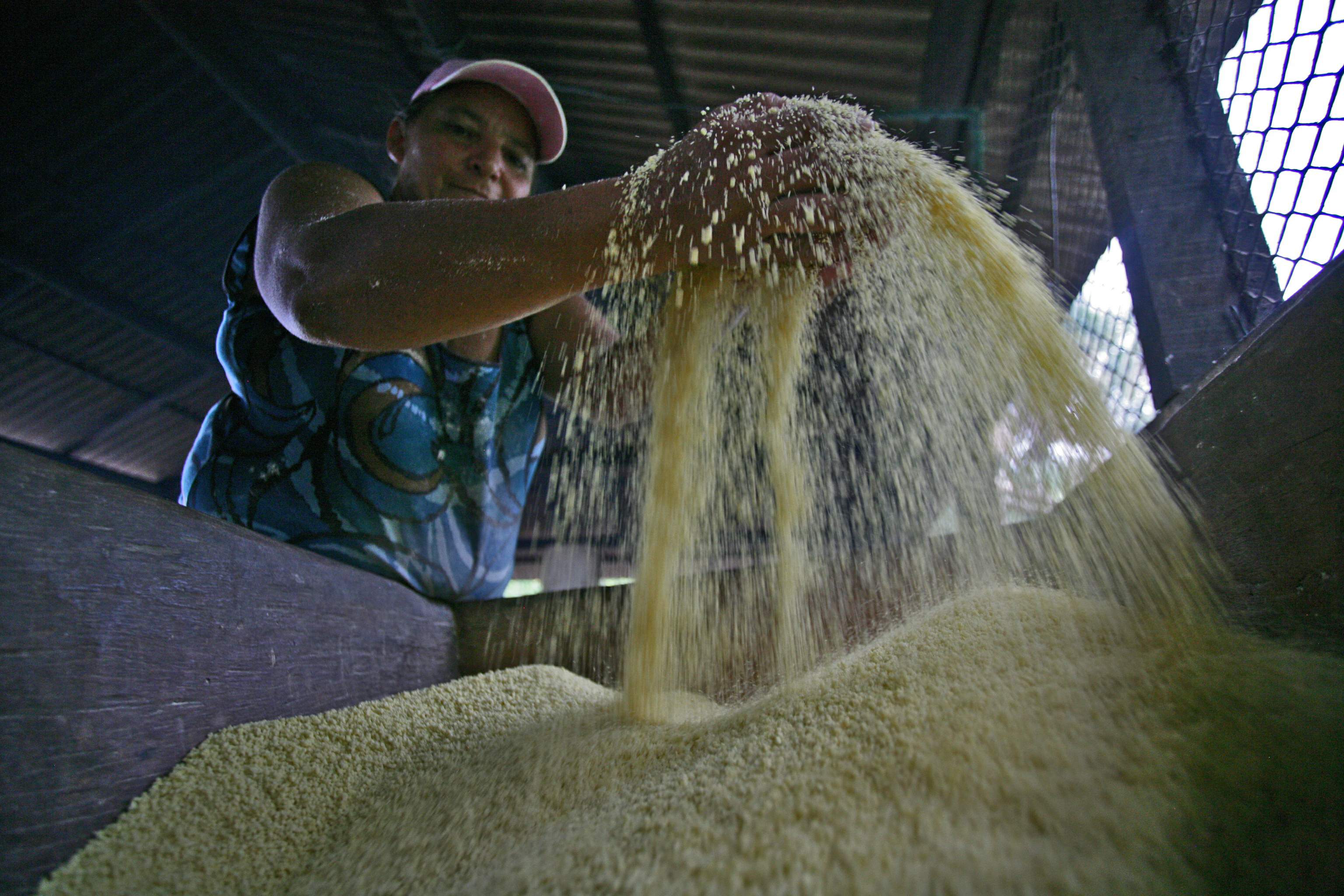
"Impacts on producers are very large. Cassava flour is the food base here for producers in the northern region of Brazil. So, initially, there was an increase in the price and a shortage of flour production”, Cristiane points out.
Also, according to the director of the Ministry of Agriculture, the pest has a very high potential for damage to communities. “It disperses to the entire plantation and the control and eradication measure is burning: you have to eliminate the entire plantation. So, it compromises all that production and leads to problems in product availability. And cassava is the food base and also economic for those indigenous communities and family farmers. So, it causes a social impact " Edilene Cambraia declares, from Mapa.
Pará adopts control measures
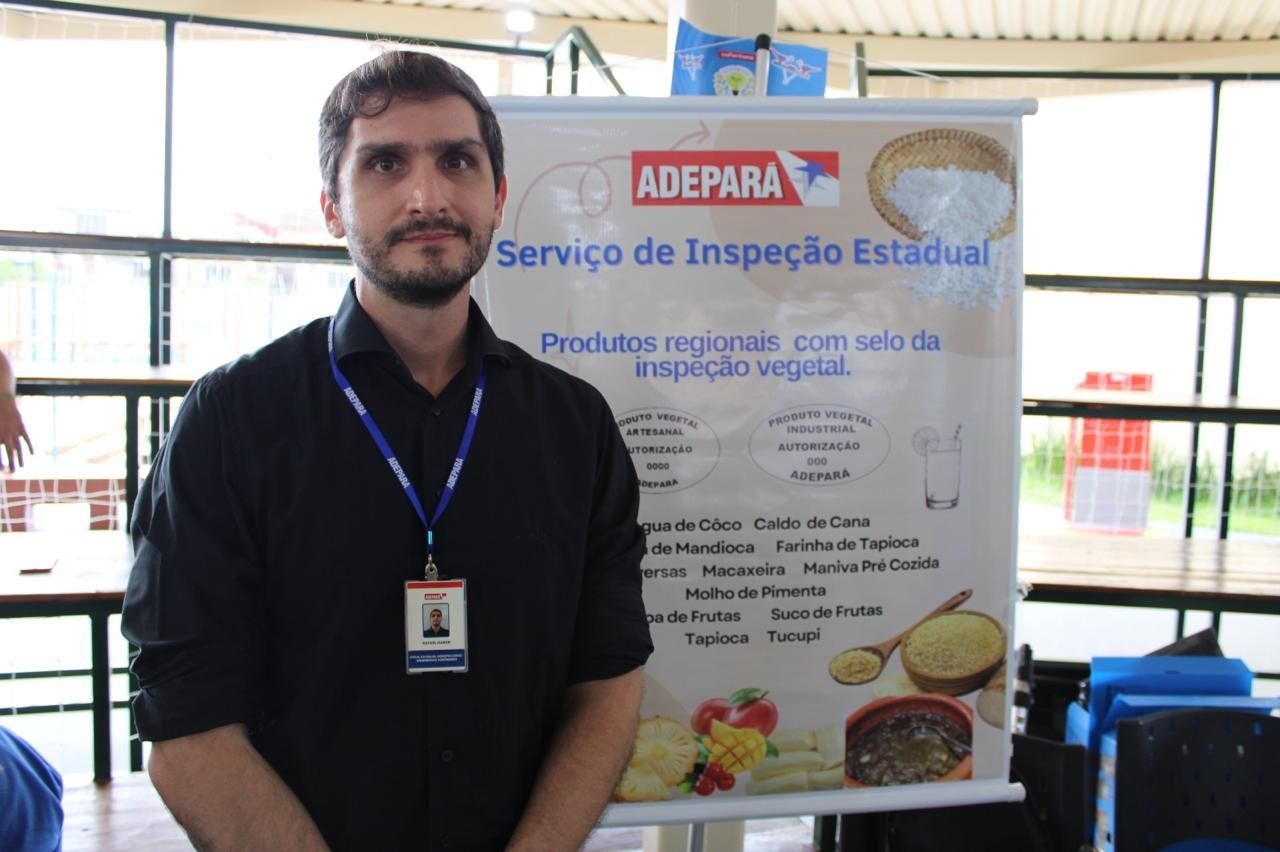
In Pará, the State Agricultural Defense Agency has adopted several measures so that the pest does not reach the soil of Pará. In February, the agency published an ordinance establishing preventive actions. The main measure was to prohibit the entry, in any municipality of Pará, of plants or plant parts from affected areas.
To ensure that undue traffic does not occur, Adepará carries out the inspection at the border with Amapá, together with Mapa. In addition, preventive and educational actions are carried out with producers from Pará, with emphasis on the municipalities closest to the territory of Amapa: Almeirim, Gurupá, Porto de Moz, Afuá, Breves and Chaves.
"The risk of arrival in Pará is high, due to the transit of agricultural products and the geographical proximity to the affected areas. Therefore, Adepará technicians have already participated in training in Amapá, learning to identify symptoms of the pest and sample collection methods. They also work to raise awareness among producers, sharing information on prevention and control. Cassava is essential for Pará's economy and food security” Rafael Haber emphasizes, the agency's Plant Defense manager.

Ancestry
In addition to the economic and nutritional importance of cassava for the region, it is an important symbol of ancestry. According to Miguel Picanço, Food anthropologist, cassava was domesticated about eight thousand years ago by the original peoples of the Amazon. "Cassava is native to the region and the entire food repertoire that derives from it as well. The indigenous Amazonians were the first to cultivate it and in these eight thousand years cassava crosses and organizes their ways of eating and living. It is an ancestral food and this ancestry manifests itself every day at our tables and in our lives" he points out.
For the specialist, cassava is the most alive heritage in Pará, a state that is his field of study. "Whether as beiju, tapioca, tucupi, gum, maniçoba, but mainly as flour, cassava is entangled in our lives. In the northeast of Pará, we find people drinking coffee with flour" he exemplifies.
In the northeast of Pará, we find people drinking coffee with flour” he exemplifies. “And it works as a language that communicates belonging to the region and, therefore, also communicates resistance. Maintaining these food practices, we continue to reaffirm ourselves as Pará, Amazonians and Northerners" the anthropologist says.
The indigenous Edmilson Oliveira, who saw the advance of the cassava witches’ broom up close, confirms the relevance of the vegetable in the customs of the region. "Not only we have lost the source of food and income, but also for use in our rituals. Cassava also has this cultural side for us", he laments.
INSTITUTIONAL PARTNERSHIP
The production of Liberal Amazon is one of the initiatives of the Technical Cooperation Agreement between the Liberal Group and the Federal University of Pará. The articles involving research from UFPA are revised by professionals from the academy. The translation of the content is also provided by the agreement, through the research project ET-Multi: Translation Studies: multifaces and multisemiotics.